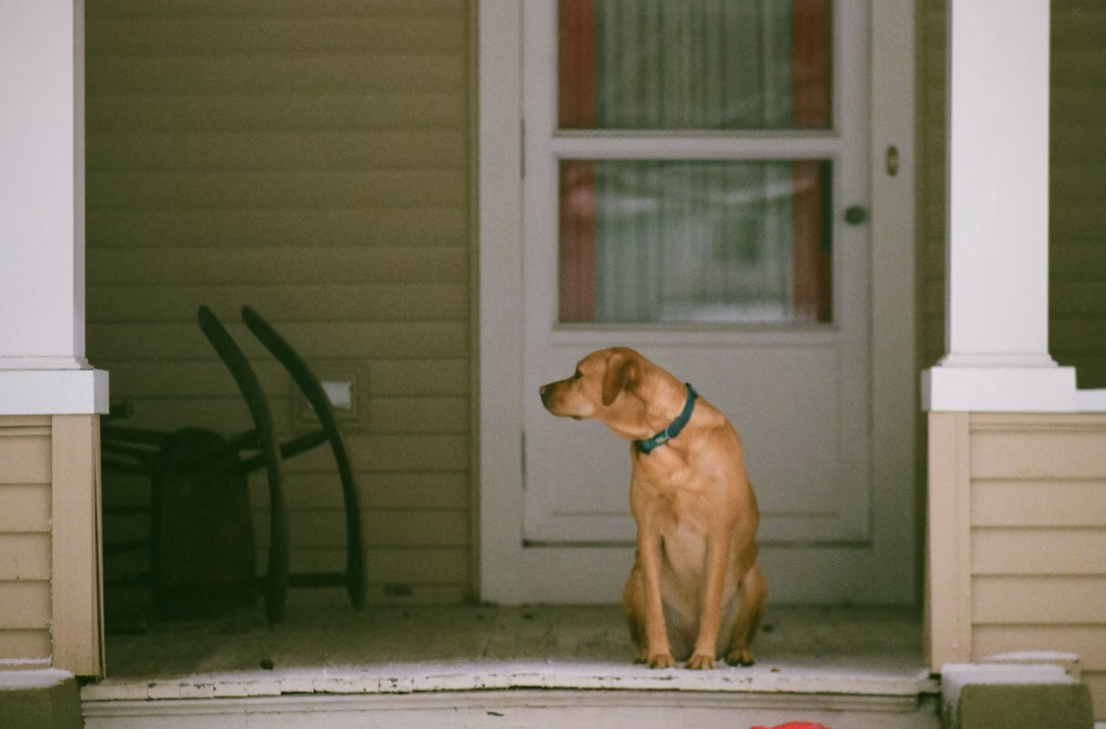
Many pet parents have faced it: the moment you pick up your keys, your dog whines, your cat hides, or your furry friend follows you anxiously around the house. Understanding why your pet gets anxious when you leave is critical for both their well-being and your peace of mind. This phenomenon, commonly referred to as pet separation anxiety, affects a significant number of dogs and cats and can impact their behavior, health, and your home environment.
In this article, we’ll explore the causes of pet separation anxiety, the signs to look for, and practical strategies to help your anxious pet feel safe and secure even when you’re away.
What Is Pet Separation Anxiety?
Pet separation anxiety is a behavioral condition in which a pet experiences intense distress when separated from their owner. While some level of nervousness is normal in animals, pets with separation anxiety may show extreme behaviors such as:
-
Excessive barking or meowing
-
Destructive chewing or scratching
-
Pacing or restlessness
-
Drooling or vomiting
-
Attempting to escape from confined spaces
 It’s important to note that pet separation anxiety is more than just temporary nervousness. If left unaddressed, it can lead to physical injuries, property damage, or even long-term behavioral issues.
Common Causes of Pet Anxiety When Left Alone
Understanding why your pet gets anxious can help you address the root causes. Common triggers include:
1. Lack of Early Socialization
Pets that weren’t gradually exposed to being alone during their early developmental stages may be more prone to separation anxiety in pets. Dogs, in particular, learn to cope with brief periods of solitude from puppyhood.
2. Changes in Routine or Environment
Pets thrive on routine. Moving to a new home, changes in your work schedule, or introducing a new family member or pet can trigger anxiety.
3. Trauma or Past Negative Experiences
Pets who were rehomed, abandoned, or experienced trauma may have heightened fears of being left alone. This is especially true for rescue dogs or cats with uncertain histories.
4. Owner Behavior
Sometimes, pet anxiety is unintentionally reinforced. Pets that are overly clingy or punished for anxious behavior may develop more severe pet separation anxiety symptoms.
5. Medical Conditions
Health issues such as cognitive dysfunction in older pets or pain-related conditions can increase anxiety. Always rule out medical causes with your veterinarian before assuming a behavioral problem.

Are you finding this article useful? Would you like 100% free access to more articles like these, and free access to over 5,000 vetted pet care service professionals throughout the United States? Sign up here for a free Petworks account, and we’ll email you a 10% discount code, good towards your first pet care services booking on Petworks!
Signs Your Pet Has Separation Anxiety
Recognizing separation anxiety in pets early is key to intervention. Signs may include:
-
Vocalizations such as barking, howling, or meowing when you prepare to leave
-
Destructive behaviors like chewing furniture or scratching doors
-
Excessive pacing or following you around obsessively
-
Loss of appetite or refusal to eat
-
Attempting to escape confinement, leading to injuries
-
Excessive grooming in cats (sometimes resulting in bald spots)
If you notice multiple signs consistently when you leave the house, your pet may be struggling with anxiety when left alone.
Separation anxiety (SA) can be a serious problem and dogs who suffer from it may panic when left home alone: they may soil the house, destroy window molding, howl for hours on end, pant, shake, or drool entire lakes of saliva when you leave.” – Patricia McConnell Ph.D. (Applied Animal Behaviorist)
Effective Strategies to Reduce Pet Separation Anxiety
Helping a pet manage separation anxiety requires patience and consistency. Here are some effective strategies:
1. Gradual Desensitization
Start by leaving your pet alone for very short periods and gradually increase the duration. Pair these departures with positive reinforcement, like treats or a favorite toy, so your pet learns that being alone is safe.
2. Create a Safe Space
Designate a comfortable, secure area for your pet, such as a crate, small room, or pet-friendly corner. Include bedding, toys, and familiar scents to make them feel secure.
3. Use Interactive Toys and Puzzles
Engage your pet’s mind while you’re away with food-dispensing toys or puzzle games. Mental stimulation helps reduce anxiety and prevents boredom-related destructive behaviors.
4. Maintain a Predictable Routine
Pets feel calmer when their schedule is predictable. Feeding, walks, and playtime should happen at consistent times to reduce stress.
5. Training and Positive Reinforcement
Reward calm behavior and ignore anxious behavior to avoid unintentionally reinforcing anxiety. Commands like “stay” and “relax” can be taught gradually.
6. Consider Calming Aids
Products such as pheromone diffusers, anxiety vests, or natural calming supplements can provide additional support. Always consult your veterinarian before introducing new supplements.
7. Professional Help
If your pet’s anxiety is severe, a certified animal behaviorist or veterinarian can provide personalized strategies. In some cases, anti-anxiety medications may be recommended to help pets adjust to their environment.
Breeds Prone to Separation Anxiety
While any pet can develop separation anxiety, certain breeds and species may be more prone:
-
Dogs: Labrador Retrievers, German Shepherds, Border Collies, and other companion-oriented breeds
-
Cats: Certain social breeds, like Ragdolls and Siamese, may show higher attachment levels
-
Rescues: Pets with unknown or traumatic pasts are often at higher risk
Understanding breed tendencies can help pet parents anticipate and prevent separation anxiety in pets before it becomes a severe issue.
When to Seek Professional Help
Severe separation anxiety can have long-term consequences for your pet’s well-being. Seek professional advice if:
-
Your pet shows destructive or self-harming behaviors
-
Anxiety persists despite at-home interventions
-
Your pet’s health is affected (loss of appetite, weight loss, excessive drooling)
-
You struggle to leave the house without your pet reacting extremely
Veterinarians and animal behaviorists can provide tailored plans and, if needed, recommend behavioral therapy or safe medications.
Preventing Pet Separation Anxiety Before It Starts
Prevention is often easier than treatment. Pet parents can reduce the likelihood of separation anxiety by:
-
Gradually training pets to enjoy brief periods alone from an early age
-
Exposing pets to new environments, people, and experiences safely
-
Avoiding reinforcing clingy behaviors while rewarding calm independence
-
Establishing a consistent daily routine that includes physical exercise and mental stimulation
By focusing on prevention, pet owners can help their pets develop confidence and independence, reducing anxiety when left alone.
FAQ: Pet Separation Anxiety
Q1: What is pet separation anxiety?
A: Pet separation anxiety is a behavioral condition where dogs or cats become extremely anxious when left alone, showing signs like barking, pacing, or destructive behavior.
Q2: What causes separation anxiety in pets?
A: Common causes include lack of early socialization, changes in routine, traumatic past experiences, certain breeds, and medical conditions.
Q3: How can I tell if my pet has separation anxiety?
A: Signs include excessive vocalizations, pacing, destructive behavior, loss of appetite, or attempts to escape when left alone.
Q4: Can separation anxiety in pets be treated?
A: Yes. Effective strategies include gradual desensitization, creating a safe space, mental stimulation, consistent routines, and, in severe cases, professional help or veterinary-approved medication.
Q5: Are certain pets more prone to separation anxiety?
A: Dogs with high attachment tendencies (like Labradors or Border Collies) and some social cat breeds may be more susceptible. Rescue pets with uncertain histories are also at higher risk.
Pet separation anxiety is a common but manageable condition. Understanding the causes, recognizing the signs, and implementing practical strategies can make a significant difference in your pet’s life. With patience, training, and, when necessary, professional guidance, you can help your furry friend feel safe and secure even when you’re not home.
Let’s Help You Help Your Pet’s Anxiety
Addressing pet anxiety when left alone not only improves your pet’s quality of life but also strengthens the bond you share. Remember: calm, consistent support is key. And your pet will thank you with a happier, healthier life.
About Petworks
 In 2021, Dr. Marty Goldstein DVM joined the pet care platform Petworks as an advisor in its Animal Nutrition care division. Dr Marty Nature’s Blend is on a mission to help your pets live their healthiest lives possible. Dr. Marty’s pet nutrition expertise and guidance has helped Petworks evolve and become the preeminent animal and pet nutrition consultation service for pet parents in North America.
 In 2022, Blue Buffalo Founder Bill Bishop Jr. joined Petworks as Senior Advisor in our Animal Nutrition Care Division. Bill brings his extensive expertise in pet food innovation and business leadership. His guidance helps Petworks enhance our pet nutrition service offerings, helping to ensure that pet parents throughout the world receive trusted, science-backed nutritional support for their dogs, cats, and animals.
About The Author
 Petworks Co-Founder Kevin Kinyon is a life-long animal lover who works tirelessly to improve the lives of pets and their parents. Human and animal qualities he values most are integrity, humor, and empathy.

 petworks tm