If you’ve ever caught your dog rummaging in the cat litter box, you’re not alone. Many pet parents are surprised, and often grossed out, when their dog eats cat litter. While this behavior can seem bizarre, it’s actually more common than you might think. Understanding why dogs do it and learning how to prevent it is key to keeping both your dog and cat healthy.
Why Dogs Eat Cat Litter
Dogs explore the world with their mouths, so it’s natural for them to investigate unusual smells and textures. However, eating cat litter goes beyond simple curiosity. Here are the main reasons dogs might be drawn to the litter box:
1. Nutritional Deficiencies
Some dogs may eat cat litter because they are lacking certain nutrients, such as minerals, fiber, or vitamins. Cat feces contain undigested nutrients, and some dogs are instinctively drawn to it as a source of nutrition. If your dog frequently eats unusual objects, it could be a sign that their diet isn’t fully meeting their nutritional needs.
2. Curiosity and Boredom
Dogs are naturally curious, and a litter box is full of new smells and textures. Dogs that don’t get enough mental or physical stimulation may turn to the litter box for entertainment. Puppies, in particular, are more likely to explore and taste everything in their environment.
3. Attraction to Cat Feces
Believe it or not, some dogs find cat feces appealing. Cats digest their food differently than dogs, leaving partially digested matter in their feces. Some dogs are drawn to this smell and taste, which can lead them to repeatedly go after the litter box.
4. Pica (Compulsive Eating Behavior)
Pica is a condition in which dogs compulsively eat non-food items, such as rocks, dirt, or cat litter. It can be caused by stress, anxiety, or medical conditions. If your dog shows a strong fixation on non-food objects beyond just the litter box, consulting a veterinarian is important.
5. Medical Issues
Occasionally, medical problems like gastrointestinal disorders, parasites, or nutrient malabsorption can make a dog more likely to eat unusual substances. If your dog suddenly starts eating cat litter or other non-food items, it’s wise to schedule a vet visit.
Health Risks of Dogs Eating Cat Litter
While it may seem harmless, dogs eating cat litter can be dangerous. Here are some of the main risks:
1. Gastrointestinal Blockages
Clumping cat litter, especially clay-based types, can swell in a dog’s stomach and intestines, potentially causing dangerous blockages. Symptoms may include vomiting, lethargy, diarrhea, and loss of appetite.
2. Parasites and Bacteria
Cat feces can carry harmful bacteria like Salmonella or E. coli, as well as parasites such as roundworms. Dogs ingesting cat litter risk infections that can make them very sick.
3. Toxic Ingredients
Some litters contain additives like deodorizers or clumping agents that are toxic if ingested in large amounts. Silica-based crystals or scented litters can cause irritation or poisoning.
How to Stop Your Dog from Eating Cat Litter
Preventing this behavior requires a combination of environmental changes, training, and sometimes dietary adjustments. Here’s how you can tackle it:
1. Keep the Litter Box Out of Reach
The simplest solution is to make the litter box inaccessible to your dog:
-
Use baby gates or pet barriers to block access.
-
Consider placing the litter box in a room with a door that closes.
-
Use cat furniture with doors or top-entry litter boxes that dogs can’t reach.
2. Provide Enough Exercise and Mental Stimulation
Dogs may turn to the litter box out of boredom. Increase your dog’s daily exercise and provide interactive toys to reduce interest in inappropriate items. Puzzle feeders, treat-dispensing toys, and training sessions can keep your dog’s mind occupied.
3. Offer a Balanced Diet
Ensure your dog is receiving a high-quality, balanced diet that meets all their nutritional needs. If your dog is eating cat litter due to a dietary deficiency, adjusting their food may reduce the behavior. Discuss diet changes with your veterinarian.

Are you finding this article useful? Would you like 100% free access to more articles like these, and free access to over 5,000 vetted pet care service professionals throughout the United States? Sign up here for a free Petworks account, and we’ll email you a 10% discount code, good towards your first pet care services booking on Petworks!
4. Train “Leave It” Commands
Training your dog to respond to commands like “leave it” can prevent litter box access:
-
Start by teaching “leave it” with treats.
-
Gradually apply the command when your dog approaches the litter box.
-
Reward compliance consistently to reinforce the behavior.
5. Use Deterrents
There are safe, pet-friendly deterrents you can use to make the litter box less appealing:
-
Sprinkle bitter apple spray or similar pet-safe deterrent near the litter box.
-
Try motion-activated devices that make a noise when your dog approaches.
-
Keep the litter box clean and odor-free, as strong smells can attract dogs.
6. Monitor and Redirect
Supervise your dog when they are near the litter box. If they approach, redirect them to a toy, treat, or other appropriate activity. Consistent redirection can reduce litter-eating behavior over time.
 “Dogs eating cat litter and cat poo is a bit gross, but it is a common problem for pet owners who have both a cat and a dog … Dogs are scavengers by nature and it’s a normal instinct to eat things they find that smell or taste good.” – Dr. Kate Mornement, Applied Animal Behaviorist
Choosing the Right Litter Box for a Multi-Pet Home
Selecting the right litter box can make a big difference in keeping your dog away:
-
Covered Litter Boxes: Can provide a barrier, but some dogs may still reach in.
-
Top-Entry Litter Boxes: Ideal for dogs, as most cannot jump inside.
-
High-Sided Litter Boxes: Prevent dogs from scooping litter.
-
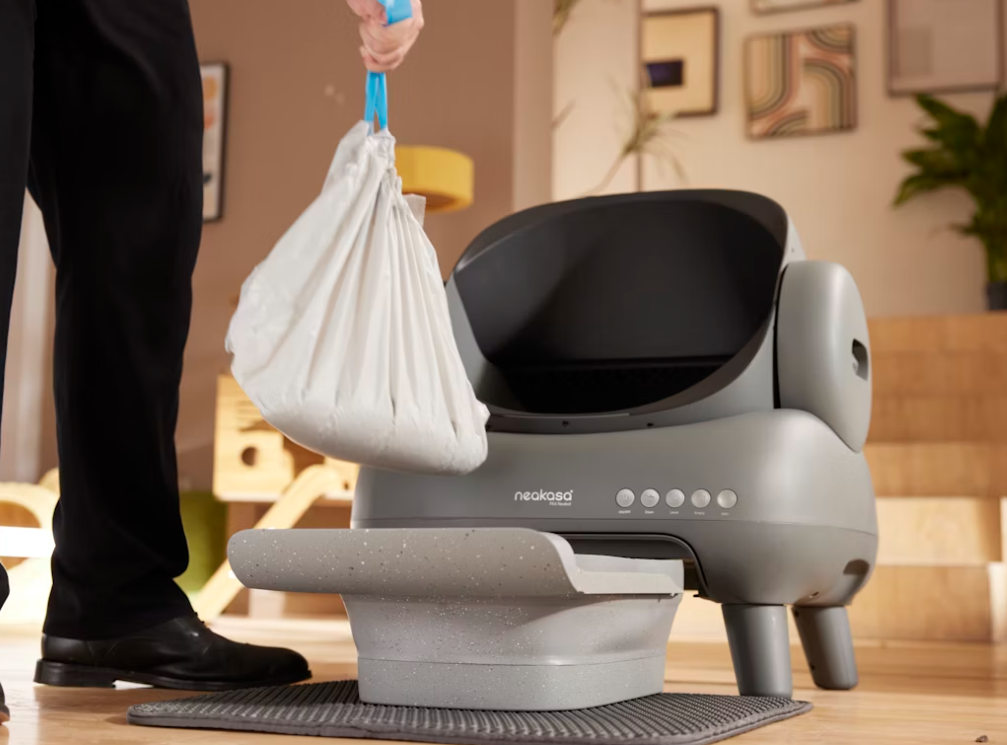
Automatic Litter Boxes: Some models are enclosed and self-cleaning, reducing attraction to the litter.
When to Consult a Veterinarian
If your dog continues eating cat litter despite training and environmental changes, consult a veterinarian. Persistent litter-eating can indicate:
-
Nutritional deficiencies
-
Gastrointestinal issues
-
Pica or compulsive disorders
-
Parasites or other medical problems
A vet can run tests, recommend diet changes, or refer you to an expert animal behaviorist if needed.
FAQs About Dogs Eating Cat Litter
Q: Is it dangerous if my dog eats a little cat litter?
A: Small amounts of non-clumping litter may not cause serious harm, but repeated ingestion or clumping litter can be dangerous. Monitor your dog and consult a vet if concerned.
Q: Why does my dog only eat cat litter sometimes?
A: Dogs may eat cat litter occasionally due to curiosity, smell, or boredom. Occasional behavior isn’t usually a major health risk, but repeated incidents should be addressed.
Q: Can switching cat litter help?
A: Yes. Non-clumping or plant-based litters may be less attractive to dogs. Scent-free litters also reduce the smell that draws dogs in.
Q: How can I stop my dog from eating cat feces?
A: Keep the litter box clean, train “leave it,” and consider barriers or high-sided litter boxes to limit access.
Key Takeaways
-
Dogs eating cat litter is common but can pose health risks, including blockages and infections.
-
Reasons for the behavior include nutritional deficiencies, curiosity, boredom, and compulsive disorders.
-
Prevention involves restricting access, training, enrichment, dietary adjustments, and using deterrents.
-
If your dog continues eating litter, a veterinary consultation is recommended.
By understanding the reasons behind this behavior and implementing consistent strategies, you can protect your dog’s health while keeping your cat’s litter box safe and private.
About Petworks
 In 2021, Dr. Marty Goldstein DVM joined the pet care platform Petworks as an advisor in its Animal Nutrition care division. Dr Marty Nature’s Blend is on a mission to help your pets live their healthiest lives possible. Dr. Marty’s pet nutrition expertise and guidance has helped Petworks evolve and become the preeminent animal and pet nutrition consultation service for pet parents in North America.
 In 2022, Blue Buffalo Founder Bill Bishop Jr. joined Petworks as Senior Advisor in our Animal Nutrition Care Division. Bill brings his extensive expertise in pet food innovation and business leadership. His guidance helps Petworks enhance our pet nutrition service offerings, helping to ensure that pet parents throughout the world receive trusted, science-backed nutritional support for their dogs, cats, and animals.
About The Author
 Petworks Co-Founder Kevin Kinyon is a life-long animal lover who works tirelessly to improve the lives of pets and their parents. Human and animal qualities he values most are integrity, humor, and empathy.

 petworks tm