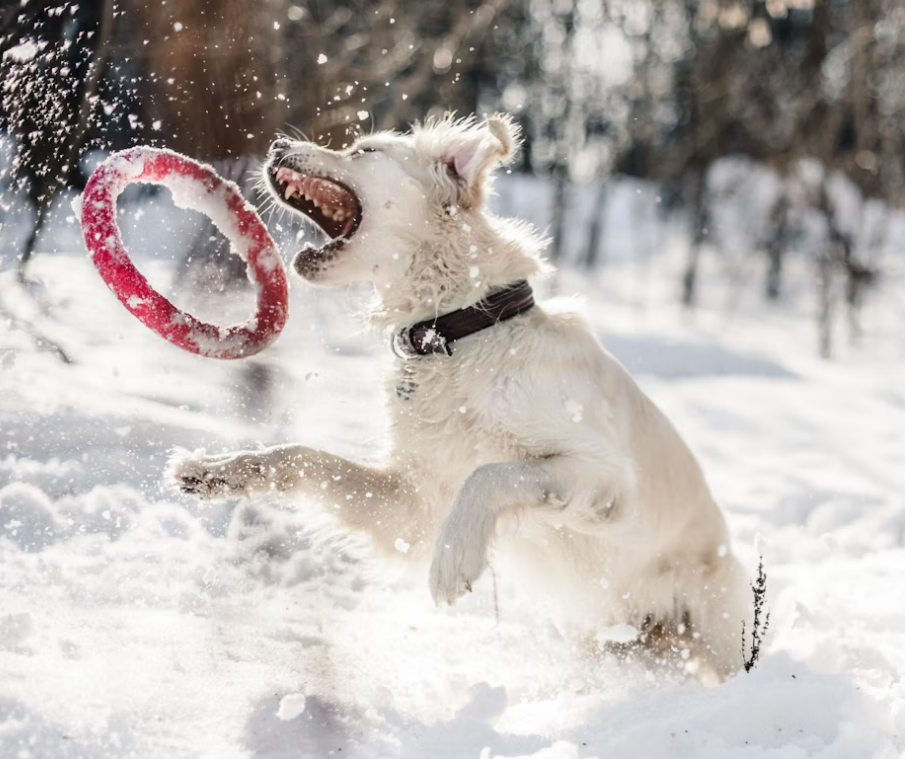
Winter can be magical, but it also comes with unique challenges for dog owners. Many pet parents wonder, “Is it safe for my dog to play outside in freezing temperatures?” The answer isn’t one-size-fits-all. It depends on your dog’s breed, age, health, and the actual outdoor conditions. This guide will help you understand safe temperatures for dogs outside and how to protect your furry friend during cold weather.
Understanding Safe Temperatures for Dogs Outside
Dogs tolerate cold differently than humans, and safe temperatures for dogs outside can vary based on size, coat type, and age.
-
Small or short-haired breeds: Chihuahuas, Greyhounds, and Dachshunds have less natural insulation. Outdoor play in temperatures below 45°F can be risky for them.
-
Large or thick-coated breeds: Huskies, Malamutes, and Saint Bernards are built for cold, but even they shouldn’t be left outside for extended periods in extreme cold.
-
Puppies and senior dogs: Both have weaker immune systems and are more sensitive to freezing temperatures.
Rule of thumb: If it’s too cold for you in just a light jacket, it may also be too cold for your dog. Always consider wind chill, wet conditions, and the duration of outdoor play.
Signs Your Dog Is Too Cold
Even if the temperature seems manageable, dogs can experience hypothermia or frostbite. Watch for these warning signs:
-
Shivering or trembling
-
Whining or anxiety
-
Lifting paws off the ground
-
Sluggish or slow movements
-
Ice or snow stuck between paw pads
If your dog shows any of these signs, bring them inside immediately and dry them off.
Let’s Hear From The Experts…
 “Pets should be brought inside when temperatures drop, especially those unaccustomed to cold weather and very young or senior animals.” – Dr. Susan Nelson, Clinical Professor at Kansas State University College of Veterinary Medicine.
“At 32 degrees Fahrenheit, we need to keep in mind that water and food sources located outside are most likely going to freeze. So you’ll want to make sure that you can either defrost their food and water or provide them with fresh food and water daily.” – Dr. Rachel Siu, Veterinarian.
Tips for Safe Outdoor Play in Cold Weather
-
Limit Time Outside
Even hardy breeds shouldn’t spend hours outdoors in sub-freezing temperatures. Short, frequent walks are safer than long play sessions. -
Dress for Warmth
Dog sweaters, coats, and booties can make a big difference, especially for small or thin-coated breeds. -
Protect Their Paws
Salt, ice, and snow can irritate paw pads. Consider paw wax or booties, and always rinse paws after walks. -
Keep Them Active
Active dogs generate heat. Short fetch sessions or running around the yard can help them stay warm safely. -
Monitor Water Intake
Cold weather can reduce drinking, but hydration is still essential. Make sure your dog has access to fresh, unfrozen water. Make sure your dogs are well-fed, a bit more often, and consult with a dog nutritionist to optimize your pup’s winter diet plan.

Are you finding this article useful? Would you like 100% free access to more articles like these, and free access to over 5,000 vetted pet care service professionals throughout the United States? Sign up here for a free Petworks account, and we’ll email you a 10% discount code, good towards your first pet care services booking on Petworks!
When Outdoor Play Is Not Safe
Extreme cold is dangerous, and sometimes it’s best to stay indoors:
-
Temperatures below 20°F for small or short-haired dogs
-
Wind chills creating icy conditions
-
Wet snow, ice, or freezing rain
In these conditions, indoor play, training, and interactive toys can keep your dog stimulated and safe.
Seasonal Health Checkups
Winter is also a good time for a vet checkup. Discuss your dog’s health and ask about safe temperatures for dogs outside, especially if they have arthritis, heart conditions, or are very young or old.
FAQ: Safe Outdoor Play for Dogs in Winter
1. How cold is too cold for dogs?
The safe temperature for dogs outside varies by breed, size, and age. Small or short-haired dogs may struggle in temperatures below 45°F, while larger, thick-coated breeds tolerate colder conditions. Wind chill and wet conditions can make it feel colder, so always monitor your dog’s comfort.
2. Can all dog breeds play outside in freezing temperatures?
No. Breeds with thick, double coats, like Huskies or Malamutes, are better equipped for cold weather. Short-haired or toy breeds, puppies, and senior dogs are more sensitive and require extra protection or indoor play.
3. What signs show my dog is too cold outside?
Watch for shivering, whining, lifting paws off the ground, slowing down, or clinging to you. Ice or snow stuck between paw pads can also indicate discomfort. If these signs appear, bring your dog indoors immediately.
4. How long can dogs safely play outside in freezing temperatures?
Short, frequent sessions are safest. Even cold-tolerant breeds shouldn’t stay outdoors for hours in sub-freezing temperatures. Limit outdoor play to 10–20 minutes in very cold weather and adjust based on your dog’s breed and size.
5. Do dogs need coats or booties in winter?
Yes, especially for small, short-haired, or elderly dogs. Coats, sweaters, and booties protect against cold, ice, and salt. Booties also prevent paw pad injuries from snow and chemicals.
6. Can winter cold cause health problems in dogs?
Yes. Dogs can suffer from frostbite, hypothermia, and paw injuries in extreme cold. Pre-existing conditions like arthritis or heart disease can worsen in freezing temperatures. Monitoring, proper gear, and limiting exposure can prevent problems.
7. How can I keep my dog active indoors during winter?
Use interactive toys, puzzle feeders, short training sessions, or indoor fetch to keep your dog engaged. Even short bursts of activity help burn energy while keeping them safe from freezing conditions.
8. Should I adjust my dog’s diet in winter?
Some dogs may need extra calories if they’re very active outdoors, but most indoor pets require no major dietary changes. Always provide fresh water to prevent dehydration.
Bottom Line
Dogs can enjoy the winter wonderland, but it’s important to understand safe temperatures for dogs outside. By monitoring conditions, limiting exposure, dressing appropriately, and keeping an eye on your dog’s behavior, you can ensure their cold-weather play is fun. And safe.
About Petworks
 In 2021, Dr. Marty Goldstein DVM joined the pet care platform Petworks as an advisor in its Animal Nutrition care division. Dr Marty Nature’s Blend is on a mission to help your pets live their healthiest lives possible. Dr. Marty’s pet nutrition expertise and guidance has helped Petworks evolve and become the preeminent animal and pet nutrition consultation service for pet parents in North America.
 In 2022, Blue Buffalo Founder Bill Bishop Jr. joined Petworks as Senior Advisor in our Animal Nutrition Care Division. Bill brings his extensive expertise in pet food innovation and business leadership. His guidance helps Petworks enhance our pet nutrition service offerings, helping to ensure that pet parents throughout the world receive trusted, science-backed nutritional support for their dogs, cats, and animals.
About The Author
 Petworks Co-Founder Kevin Kinyon is a life-long animal lover who works tirelessly to improve the lives of pets and their parents. Human and animal qualities he values most are integrity, humor, and empathy.

 petworks tm