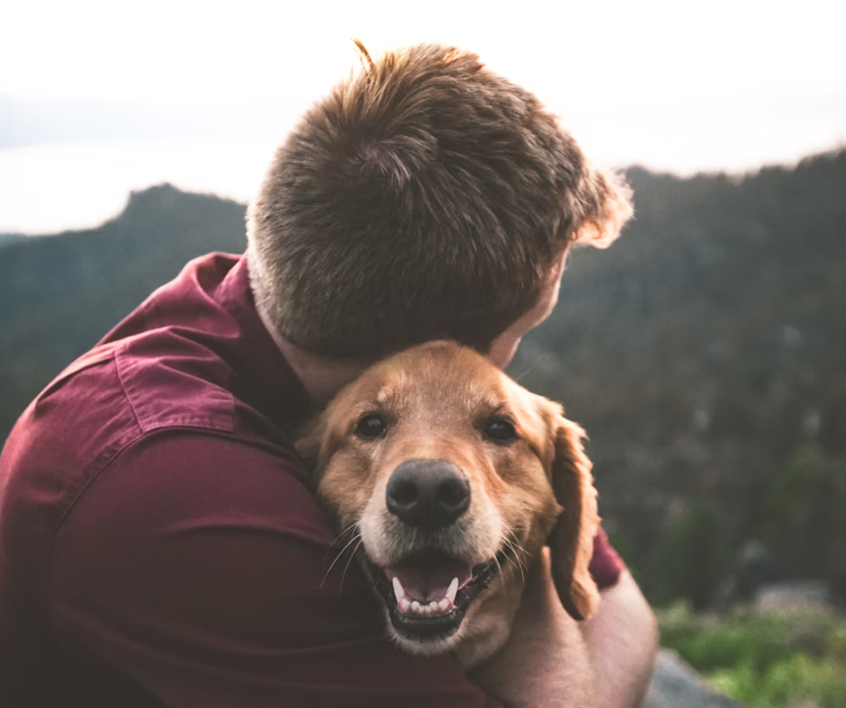
Adopting a rescue dog is a rewarding experience, but it can come with unique challenges. Many rescue dogs have experienced trauma, abandonment, or neglect, which can make building trust and a strong bond a gradual process. With patience, consistency, and understanding, you can develop a lasting and loving relationship with your new furry companion.
Understanding Your Rescue Dog
Before bonding, it’s essential to understand your dog’s past and behavior. Rescue dogs often carry experiences from previous homes or shelters that influence their actions:
-
Fear or anxiety: Some rescue dogs may be nervous around strangers or in new environments.
-
Separation anxiety: Being left alone may trigger stress, especially in dogs who were abandoned.
-
Trust issues: A dog who has been mistreated may be hesitant to approach or interact.
 Recognizing these behaviors helps you approach your dog with empathy rather than frustration.
Create a Safe and Comfortable Environment
A rescue dog needs a stable and secure home to feel comfortable. You can help by:
-
Providing a quiet, cozy space for your dog to retreat when feeling stressed.
-
Establishing a consistent routine for feeding, walks, and bedtime.
-
Avoiding sudden loud noises or chaotic environments, especially in the early days.
Consistency and structure reassure your dog that they are safe, which is the foundation for bonding.
Spend Quality Time Together
Bonding requires shared experiences and positive interactions. Here are some effective ways to spend quality time:
-
Gentle Play
Engage in activities your dog enjoys, like fetch, tug-of-war, or puzzle toys. Play creates positive associations and strengthens trust. -
Short Training Sessions
Positive reinforcement training builds communication and understanding. Use treats and praise to encourage desired behaviors. -
Daily Walks
Walks provide exercise, mental stimulation, and time together. Gradually explore new areas to build confidence. -
Quiet Companionship
Simply sitting together while reading or watching TV can make your dog feel secure and loved.

Are you finding this article useful? Would you like 100% free access to more articles like these, and free access to over 5,000 vetted pet care service professionals throughout the United States? Sign up here for a free Petworks account, and we’ll email you a 10% discount code, good towards your first pet care services booking on Petworks!
Communicate with Patience and Positivity
Rescue dogs respond best to gentle, consistent communication:
-
Use calm, reassuring tones when speaking.
-
Avoid punishment or harsh discipline; these can damage trust.
-
Reward small victories, such as approaching you voluntarily or following a command.
Over time, consistent positive interactions strengthen your dog’s confidence and bond with you.
From The Experts…
🐾 Victoria Schade – Dog Trainer & Author
Victoria Schade, a seasoned dog trainer and author of Bonding With Your Dog, emphasizes the importance of positive reinforcement and understanding canine body language:
“You are your dog’s ally. You’re their friend. You’re their No. 1. And it’s a relationship based in compassion and understanding.” – AP News
Schade advocates for science-based training methods and highlights the significance of using treats consistently to reinforce desired behaviors, especially during the critical learning periods.
🐶 K9 Connoisseur – Dog Training Blog
The K9 Connoisseur blog provides practical advice for building trust with rescue dogs, emphasizing the need for patience and consistency:
“Trust is built over time as the new family member learns that you act in predictable ways.”
This perspective underscores the importance of creating a stable environment where your rescue dog can feel secure and gradually build confidence in their new home.
Address Behavioral Challenges
Some rescue dogs may exhibit behavioral issues such as fear, aggression, or separation anxiety. Effective strategies include:
-
Gradual desensitization: Slowly expose your dog to triggers while offering comfort and rewards.
-
Professional support: A certified dog trainer or animal behaviorist can help address severe issues safely.
-
Enrichment activities: Mental stimulation through puzzle toys, scent games, and training can reduce anxiety-driven behaviors.
Remember, patience is key. Progress may be slow, but each positive step builds trust.
Build a Routine of Love and Care
Routine reinforces trust and helps your dog feel secure. Key elements include:
-
Feeding on schedule: Predictable mealtimes provide comfort.
-
Exercise and play: Regular activity supports mental and physical health.
-
Grooming and petting: Gentle grooming and physical affection enhance closeness.
-
Quality time: Short training or bonding sessions daily make a big difference.
Even small acts of consistency signal to your dog that they are safe and loved.
Celebrate Small Victories
Bonding with a rescue dog is a journey. Celebrate milestones such as:
-
Your dog initiating affection or play.
-
Following commands reliably.
-
Showing reduced anxiety or fear in new situations.
Every step forward, no matter how small, is a sign of growing trust and a stronger bond.
FAQs: Bonding with a Rescue Dog
How long does it take to bond with a rescue dog?
It varies based on the dog’s history and temperament. Some dogs may bond in a few weeks, while others may take months. Patience is essential.
My rescue dog is fearful. How can I help?
Create a safe environment, avoid forcing interactions, and use positive reinforcement to encourage gradual confidence-building.
Should I use treats to bond with my dog?
Yes, treats are a great tool for positive reinforcement. Pair treats with praise, affection, and play to strengthen your bond.
Can rescue dogs ever fully trust humans?
Yes. With consistent care, patience, and love, most rescue dogs learn to trust and form deep bonds with their owners.
Is professional help necessary for bonding?
If your dog shows severe fear, aggression, or anxiety, a certified trainer or behaviorist can provide strategies to build trust safely.
Building a strong bond with a rescue dog requires time, patience, and understanding, but the rewards are immeasurable. By providing a safe environment, spending quality time, and using gentle, consistent communication, you can help your rescue dog feel secure and loved. The journey may have challenges, but every moment of trust and affection strengthens the connection between you and your new best friend.
About Petworks
 In 2021, Dr. Marty Goldstein DVM joined the pet care platform Petworks as an advisor in its Animal Nutrition care division. Dr Marty Nature’s Blend is on a mission to help your pets live their healthiest lives possible. Dr. Marty’s pet nutrition expertise and guidance has helped Petworks evolve and become the preeminent animal and pet nutrition consultation service for pet parents in North America.
 In 2022, Blue Buffalo Founder Bill Bishop Jr. joined Petworks as Senior Advisor in our Animal Nutrition Care Division. Bill brings his extensive expertise in pet food innovation and business leadership. His guidance helps Petworks enhance our pet nutrition service offerings, helping to ensure that pet parents throughout the world receive trusted, science-backed nutritional support for their dogs, cats, and animals.
About The Author
 Petworks Co-Founder Kevin Kinyon is a life-long animal lover who works tirelessly to improve the lives of pets and their parents. Human and animal qualities he values most are integrity, humor, and empathy.

 petworks tm