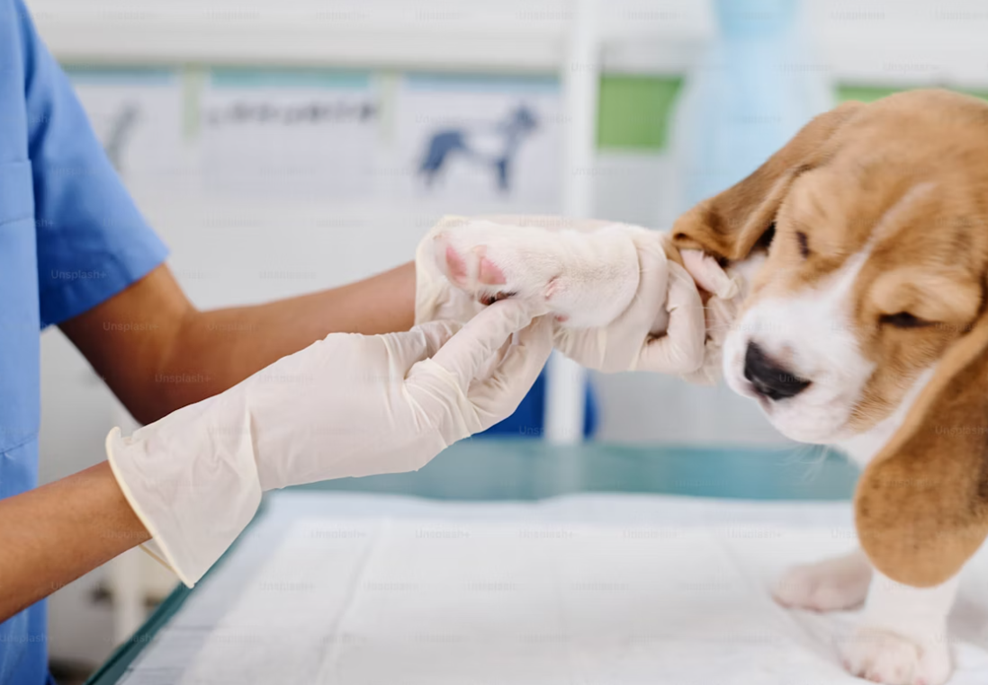
Dog pain symptoms. As a dog parent, you know your pet’s usual routines, quirks, and energy levels. But when your dog starts acting differently, it can be hard to tell whether it’s simple aging, stress, or something more serious — like pain. Dogs can’t speak, so they communicate discomfort through behavior, posture, and subtle changes in daily habits. Recognizing those shifts early can make a real difference in comfort, treatment, and quality of life.
Below are the most common canine behavioral and physical changes that may indicate your dog is hurting — along with what to watch for and when to get veterinary help.
Why Dogs Hide Pain
Dogs, as a species, are known to hide illness or pain. In the wild, showing weakness can make an animal more vulnerable. Many domestic dogs retain that instinct. That’s why pain in dogs often isn’t dramatic or obvious — especially if it’s chronic or gradual. Instead, signs creep in slowly, in small changes.
 Because of that, it’s critical to watch for patterns — repeated changes from your dog’s normal behavior — rather than one-off episodes.
Dog Pain Symptoms – Key Behavioral Changes to Monitor
Below are some of the main shifts in behavior you should pay attention to if you suspect pain. Many of these are corroborated by veterinary sources.
| Behavior Change | What to Watch For | What It Might Indicate |
|---|---|---|
| Vocalizations or increased “noise” | Whining, whimpering, howling, growling when moving or being touched | Dogs may vocalize more when something hurts. |
| Reluctance to be touched / social withdrawal | Your normally affectionate dog recoils, hides, or avoids interaction | A dog in pain might avoid contact, especially over the painful area. |
| Change in energy / activity levels | Less interest in walks, playing, or exploring; more rest, slower movement | Pain often causes dogs to reduce activity to avoid aggravating the area. |
| Altered sleep patterns or restless nights | Difficulty settling, pacing, more frequent position changes, waking at odd times | Discomfort can prevent restful sleep. |
| Changes in appetite, eating, or drinking | Less food or water intake, slower eating, dropping food, sneaking meals | Pain — especially dental or gastrointestinal — can reduce desire to eat. |
| Excessive grooming / licking / self-mutilation | Repeated licking, chewing, or scratching at a specific spot — sometimes causing raw skin | Dogs often try to soothe a painful area. |
| Changes in posture or movement | Limping, stiffness, “prayer position” (front legs down, rear raised), difficulty getting up or lying down, shifting weight | These indicate the dog is offloading weight or avoiding movement. |
| Irritability, aggression, or grumpiness | Growling, snapping, biting when touched; lowered tolerance for handling | When in pain, dogs may become defensive or reactive. |
| Seeking more attention / clinginess | More following, whining for comfort, leaning on or sitting close to you | Dogs sometimes ask for comfort when they’re uncomfortable. |
Physical & Postural Cues That Accompany Behavior Shifts
Behavioral changes often come hand in hand with physical or postural clues. Watching how your dog carries their body and moves can help you pinpoint the area of discomfort. Here are some common signals:
-
Stiff or tense muscles / twitching
-
Shaking or trembling, even at rest
-
Arched or hunched back, or a dipped midsection
-
Holding head low or tilted
-
Panting heavily while at rest
-
Changes in facial expression — a “grimace,” glazed eyes, half-closed lids
-
Difficulty rising from lying down or lowering in a controlled way
-
Reluctance to jump, climb stairs, or access higher surfaces
-
Toileting changes or accidents inside — the dog may avoid needing to go outside if movement hurts.
“Dogs often communicate that they are in pain by making more noise. This is the closest thing they have to speaking! Vocalising can be in the form of whimpering, yelping, groaning, grunting, whining and howling.” – Dr. John Morgan, Veterinarian at Gordon Vet
Why Behavior Changes Are Critical Early Indicators
Because dogs mask pain, behavior changes may be the earliest and sometimes the only clue your dog is suffering — especially in chronic conditions like arthritis, spinal issues, or dental disease. Waiting until a limp or obvious injury appears may delay diagnosis, treatment, and relief.
In one veterinary review, behavioral signs such as decreased activity, aggression, altered social interactions, and abnormal gait were listed among the key “behavioral manifestations of pain.”
Pain can also affect a dog’s personality. A dog who previously loved interacting may become withdrawn. Or, as noted in research, dogs may begin to cling or seek comfort more as a response to pain.
How to Monitor and Respond to These Changes
1. Document What You See
Keep a journal or log of changes — dates, times, what triggered the change, how long it lasted. Video or photos can be invaluable, especially since pets often “behave normally” in a vet’s office. Consult with an animal behaviorist. Many vet sources advise doing this.
2. Think About Context
Ask yourself:
-
Has something changed recently (diet, environment, exercise)?
-
Are signs appearing gradually or suddenly?
-
Do the changes seem tied to movement, rest, or touching a specific area?
3. Test Gently
With caution, try gentle palpation (touching) around the area your dog seems uncomfortable. Watch his or her reaction. Do not forcibly manipulate joints or press hard. If your dog flinches, turns away, or reacts aggressively, that’s a red flag.
4. Avoid Self-Medication
Never give your dog human painkillers like ibuprofen, acetaminophen, or naproxen. These can be toxic. Always consult a veterinarian before giving any medication.
5. See the Vet Promptly
If you notice multiple signs, or if your dog’s behavior is changing suddenly, it’s time for a professional evaluation. The vet may perform physical exams, imaging (X-rays, MRI), blood tests, or neurological assessments.
6. Work on a Pain Management Plan
Once the cause is identified, pain management often includes:
-
Prescription pain relievers or anti-inflammatories
-
Supportive therapies (laser therapy, physiotherapy, massage)
-
Joint supplements (as recommended)
-
Environmental modifications (ramps, soft beds, non-slip floors)

Are you finding this article useful? Would you like 100% free access to more articles like these, and free access to over 5,000 vetted pet care service professionals throughout the United States? Sign up here for a free Petworks account, and we’ll email you a 10% discount code, good towards your first pet care services booking on Petworks!
Dog Pain Symptoms – When to Worry — Urgent Signs
Some behavior changes are emergency red flags and require immediate veterinary care:
-
Sudden aggression when being touched or moved
-
Inability or refusal to bear weight on a limb
-
Extreme, continuous vocalization (yelling, howling)
-
Severe panting or difficulty breathing
-
Sudden collapse
-
Loss of bladder or bowel control
-
Rapid onset of paralysis or dragging limbs
If you see these, don’t wait — go to an emergency or veterinary clinic.
🐾 Checklist: What Behaviors Change When My Dog Is in Pain?
Dogs can’t tell us where it hurts — but their behavior does.
Watch for these signs that your dog may be uncomfortable or in pain:
🩺 Behavioral Changes
✅ Becomes withdrawn or hides more
✅ Suddenly avoids being touched or held
✅ Acts grumpy, growls, or snaps unexpectedly
✅ Loses interest in play, walks, or family time
✅ Clings to you more than usual or whines for comfort
✅ Eats or drinks less — or drops food from mouth
✅ Restless at night or changes sleep patterns
✅ Constantly licks, chews, or bites one spot
🦴 Movement & Posture Changes
✅ Limping or stiffness after rest
✅ Difficulty standing, jumping, or climbing stairs
✅ Trembling, shaking, or shifting weight to one side
✅ Arched back or low, hunched posture
✅ Heavy panting even when not hot or active
🚨 When to Call Your Vet
❗ Persistent crying or shaking
❗ Sudden aggression or collapse
❗ Refusal to eat for 24+ hours
❗ Inability to walk or stand
❗ Breathing difficulties
❤️ How to Help
-
Keep a pain journal (record behaviors and triggers)
-
Take short videos to show your vet
-
Avoid human pain meds — they can be toxic
-
Create a comfortable, quiet space for rest
-
Schedule a vet visit if any symptoms persist
🐶 You know your dog best.
If something feels off, trust your instincts — early care makes all the difference.
Dogs can’t tell us where it hurts, but their behaviors speak volumes. Subtle shifts in social interaction, activity, eating, and movement are often among the first warning signs of pain. As a pet parent, your job is to observe, document, and act — before the pain becomes chronic and harder to treat.
You know your dog best. Trust your instincts when something feels “off.” Catching these changes early often leads to better outcomes, faster relief, and greater overall comfort for your companion.
About Petworks
 In 2021, Dr. Marty Goldstein DVM joined the pet care platform Petworks as an advisor in its Animal Nutrition care division. Dr Marty Nature’s Blend is on a mission to help your pets live their healthiest lives possible. Dr. Marty’s pet nutrition expertise and guidance has helped Petworks evolve and become the preeminent animal and pet nutrition consultation service for pet parents in North America.
 In 2022, Blue Buffalo Founder Bill Bishop Jr. joined Petworks as Senior Advisor in our Animal Nutrition Care Division. Bill brings his extensive expertise in pet food innovation and business leadership. His guidance helps Petworks enhance our pet nutrition service offerings, helping to ensure that pet parents throughout the world receive trusted, science-backed nutritional support for their dogs, cats, and animals.
About The Author
 Petworks Co-Founder Kevin Kinyon is a life-long animal lover who works tirelessly to improve the lives of pets and their parents. Human and animal qualities he values most are integrity, humor, and empathy.

 petworks tm