Hire the Right Certified Dog Trainer in Nashville, Tennessee
-
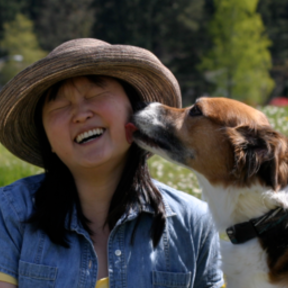
- Telani Lasoleille
- The Cooperative Canine - Private Dog Trainers - Nashville, TN
-
-
 CERTIFIED
CPDT-KA
CERTIFIED
CPDT-KA
 AKC CGC
EVALUATOR
AKC CGC
EVALUATOR
- Nashville, TN - Since 2015, Telani Lasoleille has been dedicated to enhancing the lives of pets and their owners in Nashville, Tennessee, through expert training and care. As a Certified...
-
- Certified
-
- Kristi May
-
Legend Acres Training - Dog Training Solutions - Clarksville, TN
(41 miles from Nashville)
-
(4 reviews)
-
 RED CROSS
CERTIFIED
AKC CGC
EVALUATOR
RED CROSS
CERTIFIED
AKC CGC
EVALUATOR
 ABCDT
CERTIFIED
ABCDT
CERTIFIED
- Clarksville, TN - Legend Acres was founded by an experienced dog behavior specialist and Veterinary Technologist. Our Main Office is Located in Surprise Arizona and serves the greater Phoenix Area....
-
- Licensed
- Certified
- Bonded
- Insured
- BBB Accredited
- Background Checked
- Online Sessions
- Mobile Services
-
- Jeremy Mclaughlin
-
Family First K9 - Professional Private Dog Trainer - Sacramento, KY
(91 miles from Nashville)
-
-
AKC CGC
EVALUATOR
- Sacramento, KY - At Family First K9, I am passionate about helping pet parents and their furry companions achieve harmony through tailored training programs. With over five years of experience...
-
- Licensed
- Certified

-

- Jodi Lytle
- Private Canine Behavior Solutions and Dog Obedience - Guston, KY
-
-
CERTIFIED
CPDT-KA
AKC CGC
EVALUATOR
 IAABC
CERTIFIED
IAABC
CERTIFIED
- Guston, KY - Canine Behavior Solutions and Obedience brings more than 20 years of top-notch dog training experience to Louisville, KY. As owner of Violet’s Service Dog Training from 2014-2017...
-
- Licensed
- Certified
- Bonded
- Insured
- Online Sessions
- Mobile Services
-
- Scott Taylor
- Blackheart K9 Services - In Home Private Dog Trainers - Chatsworth, GA
-
-
AKC CGC
EVALUATOR
- Chatsworth, GA - Scott Taylor, the dedicated professional behind Blackheart K9 Services, brings over a decade of experience in expertly training dogs across the Southeastern United States. As a veteran-owned...
-
- Licensed
- Certified
- Insured
- Mobile Services
-
- Ellasha Ferriell
- Evolution Dog Training - Louisville, KY
-
(1 review)
-
SCHEDULING ENABLED
- Louisville, KY - Evolution Dog Training, LLC. Top Dog Training Services in Louisville, KY. Evolution Dog Training offers **customized, goal-oriented training plans** tailored to each client's needs, backed by **over...
-
- Licensed
- Mobile Services
-
- Crossroads Companion Transport NEW
- A Different Way to Train | Dog Training - Somerville, TN
-
-
PREMIUM PROSCHEDULING ENABLEDRAPID RESPONDER
RED CROSS
CERTIFIED
AKC CGC
EVALUATOR
ABCDT
CERTIFIED
- Somerville, TN - Two Dogs Diverged provides individualized dog training designed around the dog, the person, and the life they actually live together. Serving the greater Memphis and Jackson, Tennessee...
-
- Licensed
- Certified
- Online Sessions
-
- Michelle White
- White House Certified Dog Training - Knoxville, TN
-
-
ABCDT
CERTIFIED
- Knoxville, TN - As a certified dog trainer with credentials from the esteemed Animal Behavior College, I am dedicated to transforming your dog's behavior using only positive reinforcement methods. My...
-
- Certified
- Mobile Services
-
- Sue Peet
- Inspire Your Dog - Force Free In Home Dog Training - Blue Ridge, GA
-
- Blue Ridge, GA - I am a certified Force free and Fear free dog trainer. Private in-home lessons. I'm highly active in dog rescue and specialize in helping fearful dogs...
-
- Licensed
- Certified
- Insured
-
- AK9A Alan’s K9 Academy
- AK9A | Alan’s K9 Academy - Adairsville, GA
-
-
SCHEDULING ENABLED
AKC CGC
EVALUATOR
- Adairsville, GA - About AK9A | Alan’s K9 Academy AK9A | Alan’s K9 Academy is a professional dog training company serving Cartersville, Bartow County, and communities throughout North Metro Atlanta...
-
- Licensed
- Certified
- Bonded
- Insured
- Mobile Services
-
- Jim Durham
- Durham Kennels - Puppy and Dog Certified Private Trainer - Berea, KY
-
- Berea, KY - Durham Kennels is located on ten wooded acres in beautiful Berea, Kentucky, thirty miles from Lexington, Kentucky, just off I-75. It is owned and operated by dog...
-
- Licensed
- Certified
- Insured
- Background Checked
- Online Sessions
- Mobile Services
-
- Paws Be Good 4 U
- Professional Positive Reward Based Dog Trainer - Talking Rock, GA
-
-
AKC CGC
EVALUATOR
ABCDT
CERTIFIED
- Talking Rock, GA - With over 40 years of hands-on experience, I am a professional, positive reward-based dog trainer based in Talking Rock, Georgia. Since joining Petworks in July 2017,...
-
- Licensed
- Certified
- Online Sessions
- Mobile Services
-
- Respectful Communications Animal Training LLC
- Respectful Communications Animal Training LLC - Jasper, GA
-
(2 reviews)
-
AKC CGC
EVALUATOR
- Jasper, GA - The Companion Animal Decoder™ Decode. Understand. Connect.™ Your dog is communicating with you all the time. The challenge is understanding what they're saying. I'm Linda Ross, B.A.,...
-
- Licensed
- Certified
- Bonded
- Insured
- BBB Accredited
- Mobile Services
-

- Ellyn Smith
- We Talk Dog - Private Dog Training Service - Irondale, AL
-
- Irondale, AL - We Talk Dog provides high quality training, boarding, daycare, and grooming. For the past 3 years we have been voted the best Dog Daycare in Birmingham! We...
-
- Mobile Services
-

- Amanda Self
- A Well Behaved Dog - Private Dog Training - Birmingham, AL
-
-
CERTIFIED
CPDT-KA
- Birmingham, AL - As a Certified Professional Dog Trainer (CPDT-KA) with over 13 years of experience, I am passionate about helping pets and their owners build strong, positive relationships through...
-
- Certified
-
- Bibi Sowers
- Intuitive Canine - Professional Private Dog Training - Powder Springs, GA
-
-
RAPID RESPONDER
AKC CGC
EVALUATOR
- Powder Springs, GA - Bibi Sowers of Intuitive Canine is a seasoned and certified dog training professional dedicated to nurturing a harmonious relationship between pets and their owners. Since 2019,...
-
- Certified
- Online Sessions
-

- Mark Spivak
- Comprehensive Pet Therapy - Private Dog Training - Sandy Springs, GA
-
- Sandy Springs, GA - Comprehensive Pet Therapy (CPT) is Atlanta’s most respected pet training company. Since its inception, CPT has trained close to 50,000 client dogs, significantly more than 50,000...
-
- Licensed
- Insured
- Mobile Services
-
- All Creatures Country Club - Kat Rollins
- All Creatures Country Club - Positive Dog Training - Greeneville, TN
-
(2 reviews)
-
INSTANT CHECKOUTSCHEDULING ENABLED
CERTIFIED
CPDT-KA
AKC CGC
EVALUATOR
- Greeneville, TN - Welcome to All Creatures Country Club Positive Training. Clear Communication. Lifelong Skills. At All Creatures Country Club, we believe good dog training should build trust—not fear. Led...
-
- Licensed
- Certified
- Insured
- Online Sessions
- Mobile Services
other categories
more info
🦔 Dog Training in Nashville, Tennessee. What You Need to Know.
Nashville is one of the fastest-growing cities in America, and its dog population has exploded right alongside its skyline. From the dense, walkable energy of Germantown, East Nashville, and 12 South to the sprawling residential communities of Brentwood, Franklin, Nolensville, and Spring Hill in Williamson County — from the hip corridors of The Gulch and Wedgewood-Houston to the quieter tree-lined streets of Belle Meade, Green Hills, and Forest Hills — Nashville and the greater Middle Tennessee metro encompasses an enormous range of environments, lifestyles, and training demands. The one constant across all of them is Tennessee's humid summer heat, which shapes outdoor dog life here from June through September and makes heat and humidity management a real training discipline, not an afterthought. PetWorks connects you with certified, vetted trainers across Davidson County and the greater Nashville metro who understand what it takes to train a dog well in Middle Tennessee.
❤️ Every Nashville dog owner knows what the right training unlocks — the Shelby Bottoms walk that finally flows instead of fights, the dog-friendly honky-tonk patio on Gallatin Avenue where your dog settles calmly while the neighborhood moves around you, the Percy Warner morning that's a genuine pleasure from start to finish. That life with your dog is possible here. The right trainer is how you get there.
Average Cost of Dog Training in Nashville in 2026
Private dog training in Nashville typically ranges from $90–$155 per hour, depending on trainer credentials, experience, session type, and whether training takes place in-home or at a neutral outdoor location. Multi-session packages — the most effective structure for building consistent, lasting progress — commonly run $425–$750 for four to five sessions. Board-and-train programs with Nashville-area trainers generally range from $1,600–$3,200 depending on duration and training goals. Virtual sessions are typically available at $55–$90 per session for ongoing support or maintenance training.
Training Methods That Work in Nashville
Credentialed Nashville trainers rely on positive, reward-based methods — building desired behaviors through reinforcement rather than correction or intimidation. In a city where summer humidity creates real physiological stress for dogs for months at a time, where rapid growth has pushed residential development deep into previously rural Middle Tennessee and put dogs in regular proximity to creek corridors, cedar glades, and wildlife, methods that build genuine confidence and focus produce the most durable results. A dog trained through positive reinforcement in the real-world conditions of a Nashville neighborhood — the cyclists coming fast on the Shelby Bottoms Greenway, the off-leash dog at Edwin Warner, the deer scent along Richland Creek — learns to make good choices rather than just comply under pressure.
Certifications to Look For in a Nashville Dog Trainer
Tennessee does not require licensure for dog trainers, making credentials your most reliable quality signal in a growing and competitive market. Look for CPDT-KA (Certified Professional Dog Trainer – Knowledge Assessed), KPA-CTP (Karen Pryor Academy Certified Training Partner), CBCC-KA (Certified Behavior Consultant Canine, IAABC), CSAT (Certified Separation Anxiety Trainer), or Fear Free Certified designations. The Nashville metro has a rapidly expanding training community — comparing certifications, reviews, and specialties before booking is always worth the time.
The Tennessee Summer — Nashville's Most Important Training Factor
From June through September, Nashville temperatures regularly reach the mid-to-upper 90s°F, and the region's substantial humidity means dogs lose the ability to cool efficiently through panting far sooner than in drier climates. The seven-second pavement test is non-negotiable here: press the back of your hand firmly to an exposed asphalt or concrete surface. If you can't hold it for seven seconds, your dog shouldn't be walking on it. In Nashville summers, exposed surfaces can fail this test from roughly 9am through 8pm on sunny days. Experienced Nashville trainers schedule outdoor sessions before 8:30am or after 7:30pm from June through August, and many offer in-home sessions as the default summer format to keep training progress consistent through the hot months without heat risk.
Shelby Bottoms Greenway & Nature Park — Nashville's Premier Dog Outdoor Environment
Shelby Bottoms Greenway and Nature Park is the defining outdoor dog space in Nashville — more than 800 acres of bottomland forest and meadow along the Cumberland River in East Nashville, with paved and unpaved trail loops, open fields, and some of the most active dog-walking culture of any park in the city. The Shelby Bottoms trail system is heavily used by cyclists, runners, and other dogs, making it an outstanding distraction-proofing environment for leash manners and one of the primary places Nashville dog owners work on building real-world reliability. The wooded sections along the Cumberland River bottom are prime white-tailed deer and coyote territory, making recall and "leave it" everyday trail safety skills for dogs using the park. The Shelby Dog Park at the eastern end of the complex provides a fenced off-leash area that sees consistent use from the East Nashville dog community.
Percy and Edwin Warner Parks — Nashville's Off-Leash Destination
The Warner Parks complex — Percy Warner and Edwin Warner — is Nashville's most beloved natural park system, comprising more than 3,100 acres of forested hills, meadows, and bridle paths in the southwestern part of the city. Edwin Warner Park contains the most popular designated off-leash dog area in the Nashville metro, a large fenced space heavily used by dogs from Green Hills, Belle Meade, Forest Hills, and the surrounding Hillsboro-West End corridor. The on-leash trail network throughout both parks is outstanding for building real-world trail manners — deer, coyote, fox, and wild turkey are all regular presences in the Warner Parks backcountry, and a reliable recall is a genuine safety behavior for any dog taken off the paved paths here. The Warner Parks are also the primary environment where Nashville trainers work on distance commands, off-leash focus, and wildlife distraction conditioning.
Nashville Neighborhoods & Training Demands by Area
East Nashville — including Inglewood, Lockeland Springs, Five Points, and the Greenwood corridor — is Nashville's most dog-dense, walkable urban neighborhood cluster, with high foot traffic, a thriving restaurant and bar patio culture, and constant dog-to-dog encounters on sidewalks that make leash reactivity management the top training priority in this part of the city. Germantown and Salemtown offer quieter residential walking with proximity to the Cumberland River Greenway and the training demands typical of densely populated inner-city neighborhoods. 12 South and Waverly-Belmont have become among the most dog-active commercial corridors in the city, with sidewalk café culture and weekend foot traffic that reward dogs with strong public manners and settle skills. The Gulch and Midtown are high-stimulation urban environments where apartment-dwelling dogs encounter elevators, parking garages, rooftop bars, and street-level chaos — all genuine advanced training environments. Williamson County — Brentwood, Franklin, Nolensville, Spring Hill, Thompson's Station — is predominantly residential and car-centric, with training centered in large subdivisions, greenway connector paths, and community parks where leash manners, recall, and neighbor-dog encounters on walks are the primary concerns. Hendersonville, Mount Juliet, and Gallatin in Sumner and Wilson counties have similar suburban residential training demands with their own growing trail and park infrastructure.
Coyotes & Wildlife in the Nashville Metro
Coyotes are a well-documented and increasing presence throughout Davidson and Williamson counties — in the creek corridors along Richland Creek, Browns Creek, and the Cumberland River bottoms, in suburban neighborhoods backing up to undeveloped cedar glade land in Nolensville and Brentwood, and in the Warner Parks and Shelby Bottoms themselves. Small dogs and off-leash dogs at dawn and dusk are at elevated risk. Copperhead snakes are common throughout Middle Tennessee, present in wooded backyards, creek banks, and trail edges from spring through early fall — they are found in suburban Nashville neighborhoods at meaningful rates and represent a genuine hazard for dogs with poor "leave it" conditioning. A reliable recall and a conditioned "leave it" are real safety behaviors for Nashville dogs with access to any of the metro's park and greenway systems.
Dog-Friendly Spots in Nashville
Nashville has a strong and growing dog-welcoming culture across its food, beverage, and outdoor spaces. The dog-friendly patio culture of East Nashville — anchored by spots along Gallatin Avenue, Greenwood Avenue, and the Five Points corridor — makes the neighborhood one of the best real-world training environments in the city for patio settle, calm social behavior, and public manners in high-energy settings. Tailgate Brewery and Southern Grist Brewing in East Nashville are among the most popular dog-welcoming brewery patios in the metro. Centennial Park in Midtown — home to the full-scale Parthenon replica — is one of Nashville's most visited green spaces and a consistently high-foot-traffic environment that rewards dogs with strong public manners around strangers, cyclists, and other dogs. The greenway connector between Shelby Park and the Cumberland River is an excellent on-leash training corridor. Off-leash, Edwin Warner Dog Park is the most used fenced facility in the city, while Bark Park at Hailey Park in Madison and the dog parks at Beaman Park serve the northern and northwest neighborhoods.
Most Requested Dog Training in Nashville
Leash reactivity and loose-leash walking on the Shelby Bottoms Greenway and neighborhood sidewalks, heat-adapted outdoor training schedules, recall and off-leash reliability for Warner Parks and greenway use, coyote and copperhead "leave it" conditioning, separation anxiety support, patio and brewery settle for Nashville's outdoor dining and bar culture, apartment and condo community manners in East Nashville and The Gulch, and puppy socialization and confidence building in suburban and urban environments.
Nashville Dog Laws & Regulations
Tennessee does not license dog trainers. Metro Nashville requires all dogs to be licensed with Davidson County and current on rabies vaccination. Dogs must be on a leash in all public spaces in Nashville outside of designated off-leash areas — Metro Animal Care and Control enforces the county leash ordinance. Individual suburban municipalities (Brentwood, Franklin, Hendersonville, Mount Juliet, etc.) have their own comparable ordinances. Tennessee state law prohibits cruelty and neglect, including leaving animals in conditions that endanger their health — a meaningful baseline protection for dogs in a region where summer heat can be dangerous.
Neighborhoods & Zip Codes Served
PetWorks connects dog owners across Nashville and the greater Middle Tennessee metro, including East Nashville (37206, 37207), Germantown and Salemtown (37208), 12 South and Waverly (37204), Green Hills and Belle Meade (37215), The Gulch and Midtown (37203), Sylvan Park and West Nashville (37209), Donelson and Hermitage (37214, 37076), Madison and Goodlettsville (37115), Brentwood and Franklin (37027, 37064), Nolensville (37135), Hendersonville (37075), Mount Juliet (37122), Gallatin (37066), and communities throughout Davidson, Williamson, Sumner, and Wilson counties.
🦔 How Booking a Dog Trainer on PetWorks Works
Browse verified trainer profiles, compare credentials and reviews, then use 'Send Message', 'Get Custom Quote', or 'Book Now' to connect with a trainer about your dog's specific needs. Your trainer can send a personalized quote through the PetWorks inbox. You'll only pay when you book, and payment is handled securely — Visa, Mastercard, American Express, Discover, Apple Pay, Google Pay, Affirm, Link, or Klarna. Plus, every booking includes PetWorks Care Coverage, giving you peace of mind and access to our dedicated concierge team, full refunds if a booking is canceled through no fault of yours, and help resolving any booking issues — so you can focus on what matters most: your dog.
Dog Training FAQs for Nashville, Tennessee
Why should I hire a professional dog trainer in Nashville? Nashville's explosive growth, expanding greenway and park network, coyote and copperhead presence throughout the metro, car-centric suburban sprawl in Williamson and surrounding counties, and the city's thriving walkable culture in East Nashville, Germantown, and 12 South create a layered set of training demands. For dogs with reactivity, anxiety, recall gaps, or behavior problems, a qualified trainer makes a meaningful and lasting difference in daily quality of life.
What dog training services are available in Nashville? PetWorks trainers offer private in-home sessions, mobile training, and on-site lessons covering obedience, leash training, behavior modification, heat-adapted outdoor work, wildlife safety conditioning, patio and brewery manners, separation anxiety, and more — tailored to your dog's temperament and your neighborhood's character.
How much does dog training cost in Nashville? Private sessions typically run $90–$155 per hour. Multi-session packages commonly cost $425–$750. Board-and-train programs range from $1,600–$3,200 depending on duration and goals. Virtual sessions are typically available at $55–$90 per session.
What certifications should I look for? Look for CPDT-KA, KPA-CTP, CBCC-KA, CSAT, or Fear Free Certified credentials. Tennessee has no trainer licensing requirement, making independent certification from recognized organizations your most reliable quality signal.
How do I safely train my dog during a Nashville summer? Schedule outdoor sessions before 8:30am or after 7:30pm from June through August. Always perform the seven-second pavement test before walks. Bring plenty of water, watch for heat stress signs — heavy panting, reluctance to move, seeking shade — and consider in-home sessions as your summer default for consistent training progress without heat risk.
Proudly Serving Nashville, Davidson County, and surrounding Middle Tennessee communities including Brentwood, Franklin, Nolensville, Spring Hill, Hendersonville, Mount Juliet, Gallatin, Smyrna, Murfreesboro, La Vergne, Goodlettsville, Clarksville, and communities throughout Davidson, Williamson, Sumner, Wilson, and Rutherford counties, TN.

 petworks tm