Costliest Dog Breeds 2026. Determining the costliest dog breed in the United States involves more than just the initial purchase price. It encompasses a spectrum of expenses, from acquisition to lifelong care, including potential health issues. With that said, here’s an exploration of dog breeds that consistently rank among the most expensive…
 Factors Driving High Costs:
Several factors contribute to the high cost of certain dog breeds:
Rarity:
Breeds with limited populations often command higher prices due to supply and demand.
Breeding Complexity:
-
- Some breeds require specialized breeding practices, such as artificial insemination or cesarean sections, which increase costs.
Genetic Predispositions:
-
- Certain breeds are prone to specific health conditions, leading to substantial veterinary expenses.
Grooming Needs:
-
- Breeds with elaborate coats necessitate frequent professional grooming, adding to ongoing costs.
Popularity:
-
- Currently, breeds that are very popular, can have extremely inflated prices, due to high demand.
 Top Contenders for Costliest Dog Breeds:
Here’s a closer look at some of the breeds frequently cited as the most expensive:
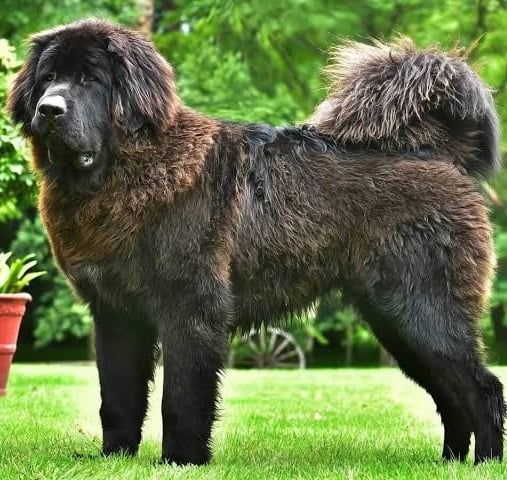
Tibetan Mastiff:
-
- These majestic dogs, originating from Tibet, are known for their imposing size and protective nature.
- Initial purchase prices can be exceptionally high, often reaching thousands of dollars.
- They are prone to health issues like hip dysplasia and hypothyroidism, which can lead to significant veterinary expenses.
- Their large size also translates to higher food costs.
“Many people underestimate the expenses that come with responsible dog ownership. … When LendEDU surveyed … the average response was $157.39 per month. … If your dog lives 10 years … you’re looking at almost $19,000 dollars committed to your dog.” – AKC
French Bulldog:
-
- The French Bulldog, has seen a massive surge in popularity.
- Their unique facial structure predisposes them to brachycephalic airway syndrome (BAS) and other respiratory problems, often requiring costly medical interventions.
- They also frequently require c-sections for birth, which raises the cost of breeding, and thus cost of puppies.

Are you finding this article useful? Would you like 100% free access to more articles like these, and free access to over 5,000 vetted pet care service professionals throughout the United States? Sign up here for a free Petworks account, and we’ll email you a 10% discount code, good towards your first pet care services booking on Petworks!
Samoyed:
-
- These beautiful, fluffy dogs from Siberia are known for their friendly demeanor.
- Their luxurious coats require extensive grooming, leading to ongoing expenses.
- They are susceptible to genetic conditions like hip dysplasia and corneal dystrophy.
Chow Chow:
-
- This breed, with its distinctive blue tongue, requires meticulous grooming.
- They are prone to health issues such as hip and elbow dysplasia, and eye problems.
Löwchen:
-
- Known as the “Little Lion Dog,” this rare breed can command very high purchase prices.
- While generally healthy, their rarity contributes to their high cost.
Beyond the Purchase Price and Costliest Dog Breed
It’s crucial to remember that the initial cost of a dog is just the beginning. Lifelong expenses include:
- Food:
- Larger breeds naturally require more food, increasing costs. You also likely need to enlist the services of a canine nutritionist to get the right diet plan for your beloved dog.
- Veterinary Care:
- Regular checkups, vaccinations, and potential treatments for breed-specific health issues.
- Grooming:
- Professional grooming for certain breeds can be a significant ongoing expense.
- Training:
- Professional training may be necessary for some breeds, especially those with strong personalities.
- Pet Insurance:
- While not mandatory, pet insurance can help mitigate unexpected veterinary costs.
“The allure of owning rare and prestigious dog breeds is intensifying in 2026, with enthusiasts investing substantial sums to acquire them. However, it’s important for prospective owners to recognize that the initial purchase price is just the beginning. The true cost encompasses ongoing care, health, and well-being of these magnificent animals.” – Kevin Kinyon, Co-Founder, Petworks.
Responsible Pet Ownership:
Regardless of breed, responsible pet ownership involves:
- Thorough Research:
- Understanding the breed’s specific needs and potential health issues.
- Reputable Breeders:
- Purchasing from ethical breeders who prioritize the health and well-being of their dogs.
- Financial Preparedness:
- Being prepared for the ongoing costs of dog ownership.
FAQs About the Most Expensive Dog Breeds to Maintain Annually
1. Which dog breeds are the most expensive to maintain per year?
The most expensive dog breeds to maintain include Bulldogs, French Bulldogs, German Shepherds, Rottweilers, and English Mastiffs. These breeds often require higher veterinary care, specialized diets, and professional grooming, making their yearly maintenance costs significantly higher than average.
2. Why are Bulldogs among the priciest dog breeds to care for?
Bulldogs frequently need specialized veterinary attention for respiratory, skin, and joint issues. Annual healthcare costs for Bulldogs can range from $2,000 to $4,000, with potential emergency procedures increasing expenses even further.
3. How much does food cost for high-maintenance or large dog breeds?
Large or active breeds like German Shepherds, Rottweilers, and Mastiffs often consume premium dog food costing $50–$150 per month, totaling $600–$1,800 annually. Dogs with sensitive diets or special nutritional needs can increase this cost.
4. How do grooming costs affect yearly dog maintenance expenses?
Breeds with long hair or high grooming needs, such as Poodles, Shih Tzus, and Afghan Hounds, require regular grooming. Grooming costs can range from $500 to $2,000 per year, depending on frequency and style.
5. Which breeds have the highest health-related maintenance costs?
French Bulldogs, Rottweilers, and Bulldogs are prone to joint, heart, and respiratory problems. Chronic conditions in these breeds can add $1,000–$5,000 per year to veterinary expenses.
6. Can pet insurance help offset costs for expensive dog breeds?
Yes. While premiums are higher for expensive breeds, pet insurance can cover emergency care, surgeries, and chronic conditions. Expect insurance rates of $50–$150 per month, depending on breed and coverage level.
7. How much do professional training and behavior programs contribute to yearly dog costs?
High-energy or large breeds may require obedience training or behavior programs, which typically cost $200–$500 per year. Proper training reduces the risk of destructive behaviors that could lead to additional expenses.
8. What lifestyle costs should dog owners expect for premium breeds?
Owners may spend extra on enrichment toys, larger living spaces, premium bedding, and boarding services. These lifestyle costs can range from $500–$1,500 annually.
9. What is the total average yearly cost of owning an expensive dog breed?
For the priciest breeds, annual costs—including food, veterinary care, grooming, insurance, and lifestyle expenses—usually fall between $3,000 and $8,000 per year, with Bulldogs and French Bulldogs typically at the higher end.
10. How can owners reduce the annual maintenance costs of expensive dog breeds?
Preventive veterinary care, proper nutrition, pet insurance, regular grooming at home, and early behavior training are effective ways to reduce yearly expenses. Proactive care is crucial to avoid costly emergency procedures.
Costliest Dog Breeds
While breeds like the Tibetan Mastiff, French Bulldog, Samoyed, Chow Chow, and Löwchen often top the list of most expensive dogs, the true cost of ownership extends far beyond the initial purchase. Prospective dog owners should carefully consider all factors before bringing a furry friend into their lives. And the 2026 winner is once again…The Tibetan Mastiff! As some of the most expensive dogs on the planet, the average price for one of these pups is between $2,000 and $6,000, but a few dogs have sold for more than $1 million. Way to go Tib Mas Tequila!
About Petworks
 In 2021, Dr. Marty Goldstein DVM joined the pet care platform Petworks as an advisor in its Animal Nutrition care division. Dr Marty Nature’s Blend is on a mission to help your pets live their healthiest lives possible. Dr. Marty’s pet nutrition expertise and guidance has helped Petworks evolve and become the preeminent animal and pet nutrition consultation service for pet parents in North America.
 In 2022, Blue Buffalo Founder Bill Bishop Jr. joined Petworks as Senior Advisor in our Animal Nutrition Care Division. Bill brings his extensive expertise in pet food innovation and business leadership. His guidance helps Petworks enhance our pet nutrition service offerings, helping to ensure that pet parents throughout the world receive trusted, science-backed nutritional support for their dogs, cats, and animals.
About The Author
 Petworks Co-Founder Kevin Kinyon is a life-long animal lover who works tirelessly to improve the lives of pets and their parents. Human and animal qualities he values most are integrity, humor, and empathy.

 petworks tm