
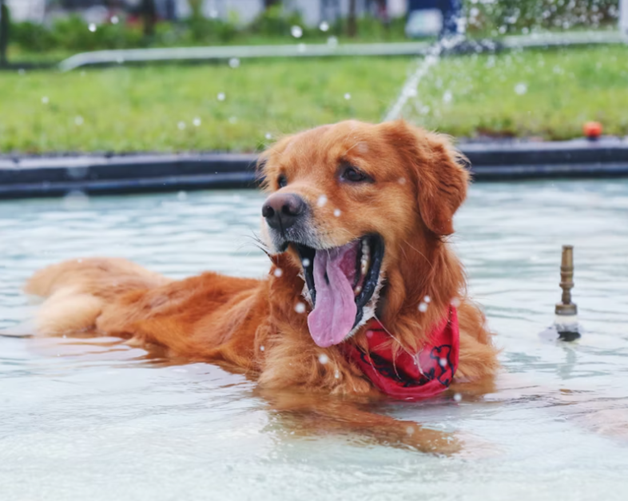
Summer Heat Safety Tips for Pets: How to Protect Your Dogs and Cats From Overheating. As temperatures soar during the summer months, it’s crucial for pet parents to understand how heat affects their furry companions. Unlike humans, pets, especially dogs and cats, can’t regulate their body temperature by sweating. This makes them more vulnerable to heatstroke, dehydration, and other heat-related illnesses. By following simple but essential summer heat safety tips, you can help your pets stay cool, comfortable, and healthy all season long.
Why Summer Heat is Dangerous for Pets
Heat poses a serious threat to pets. Dogs and cats primarily cool themselves by panting, and dogs also release some heat through their paw pads. However, when the ambient temperature is high, these cooling mechanisms become less effective. This can lead to rapid overheating, particularly in breeds with short snouts (like Bulldogs, Pugs, and Persians), senior pets, puppies, overweight animals, and those with existing health conditions.
 Common signs of heatstroke in pets include excessive panting, drooling, lethargy, vomiting, rapid heartbeat, and collapse. If untreated, heatstroke can quickly become life-threatening.
Never Leave Pets in a Parked Car
This is one of the most important rules in pet summer safety. On an 85°F (29°C) day, the temperature inside a parked car can soar to 102°F (39°C) in just 10 minutes, even with the windows cracked. Within 30 minutes, it can hit 120°F (49°C). Leaving pets in parked cars, even for a few minutes, can be deadly.
If you must run errands, leave your pet at home where it’s cool and safe. If you see a pet left in a hot car, call local authorities immediately.
Provide Fresh Water and Shade
Pets should have unlimited access to clean, cool water throughout the day. Place multiple water bowls around your home and yard to encourage frequent hydration. When outside, make sure your dog or cat has access to shaded areas. Avoid metal bowls in the sun, which can become hot and discourage drinking.
If you’re taking your dog for a walk or to the park, carry a portable water bottle and collapsible bowl. Offer water regularly, even if your dog doesn’t appear thirsty.
Avoid Midday Walks and Outdoor Play
The sun is strongest between 10 a.m. and 4 p.m. During this time, the heat and humidity can be overwhelming for pets. Instead, schedule walks and play sessions in the early morning or late evening when temperatures are cooler.
Always test the pavement before heading out. Place the back of your hand on the ground. If it’s too hot for you, it’s too hot for your pet’s paws. Consider dog booties for extra protection or opt for grassy areas instead.
Keep Indoor Spaces Cool
Make sure your home stays cool for pets, especially when you’re away. Use fans, air conditioning, or open windows to create airflow. Keep curtains closed to block direct sunlight and lay out cooling mats or damp towels for your pet to rest on.
If your dog or cat enjoys crates, never cover them completely with a blanket in hot weather. It restricts airflow and can trap heat. If your pet stays in a specific room during the day, ensure it’s well-ventilated and shaded.
Groom Appropriately. But Don’t Shave.
Regular grooming can help prevent matting, which can trap heat and make your pet uncomfortable. However, avoid shaving your dog or cat unless advised by your veterinarian. Fur acts as insulation, protecting against both heat and sunburn. A light trim and brushing can help regulate body temperature and improve air circulation through their coat.
For long-haired pets, consult a professional groomer about the best summer grooming practices for their breed and coat type.
Watch for Signs of Heatstroke
It’s vital to recognize the early warning signs of heat-related distress in your pets:
-
Excessive panting or drooling
-
Bright red gums or tongue
-
Vomiting or diarrhea
-
Disorientation or stumbling
-
Rapid heart rate
-
Lethargy or weakness
-
Collapse or unresponsiveness
If your pet shows any of these symptoms, move them to a cooler environment immediately, offer cool (not ice-cold) water, and contact your veterinarian or an emergency animal hospital right away.
Use Pet-Safe Sunscreen and Insect Repellent
Just like people, pets can get sunburned, especially those with light-colored or thin coats. Apply pet-safe sunscreen to sensitive areas like the nose, ears, and belly if your pet will be outside for an extended period. Never use human sunscreen on pets, as it can contain harmful ingredients like zinc oxide.
Additionally, use vet-approved flea, tick, and mosquito preventatives. Summertime insects can carry diseases, and standing water, like puddles or birdbaths, can be breeding grounds for mosquitoes.
Offer Frozen Treats and Cooling Products
Keep pets refreshed with DIY frozen treats like ice cubes made with low-sodium broth or small chunks of frozen fruit like watermelon (without seeds). You can also buy cooling mats, bandanas, or vests designed to help pets regulate body temperature during hot days.
For cats, ice cubes in water bowls or filled puzzle toys can provide enrichment and relief.
Supervise Outdoor Time and Water Play
While sprinklers, kiddie pools, and lakes can be fun for pets, never leave them unsupervised around water. Not all dogs are natural swimmers, and cats may panic if they fall into deep water. Provide secure fencing around pools and teach pets where the exit steps are located.
If your pet enjoys water activities, always rinse them off afterward to remove chlorine or salt, and dry their ears to prevent infections.

Did you find this article useful? Would you like 100% free access to more articles like these, and free access to over 5,000 vetted pet care service professionals throughout the United States? Sign up here for a free Petworks account, and take 10% off your first booking, on us!
Keep Summer Fun and Safe
Summer is a time for outdoor fun, but it can be dangerous if pet heat safety is overlooked. By staying alert to rising temperatures, providing adequate hydration and shade, and adjusting daily routines, you can ensure your pets enjoy the season without suffering from the heat. When in doubt, always err on the side of caution. And don’t hesitate to contact your veterinarian for guidance.
Your pets rely on you for their well-being. With a little preparation and awareness, you can make this summer safe, healthy, and enjoyable for your beloved dogs and cats.
About Petworks
 In 2021, Dr. Marty Goldstein DVM joined the pet care platform Petworks as an advisor in its Animal Nutrition care division. Dr Marty Nature’s Blend is on a mission to help your pets live their healthiest lives possible. Dr. Marty’s pet nutrition expertise and guidance has helped Petworks evolve and become the preeminent animal and pet nutrition consultation service for pet parents in North America.
 In 2022, Blue Buffalo Founder Bill Bishop Jr. joined Petworks as Senior Advisor in our Animal Nutrition Care Division. Bill brings his extensive expertise in pet food innovation and business leadership. His guidance helps Petworks enhance our pet nutrition service offerings, helping to ensure that pet parents throughout the world receive trusted, science-backed nutritional support for their dogs, cats, and animals.
About The Author
 Petworks Co-Founder Kevin Kinyon is a life-long animal lover who works tirelessly to improve the lives of pets and their parents. Human and animal qualities he values most are integrity, humor, and empathy.

 petworks tm









Very relevant information