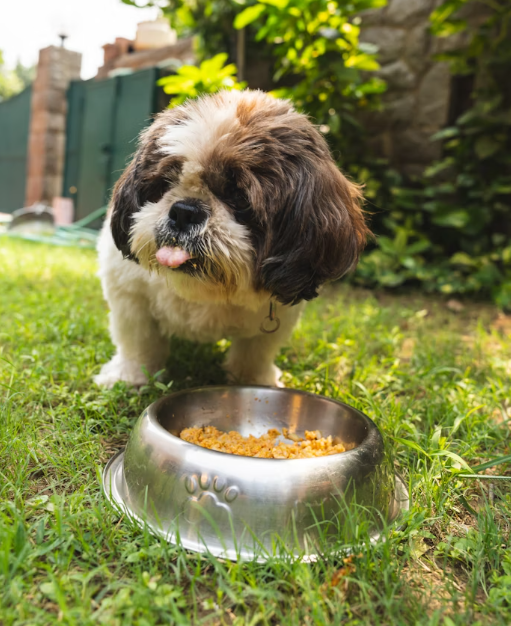
A healthy gut is the cornerstone of your dog’s overall well-being. Much like humans, dogs rely on a balanced gut microbiome to digest food properly, absorb nutrients, and maintain a strong immune system. When the gut becomes imbalanced, your dog can show a range of symptoms. Some obvious, others subtle. In this article, we’ll explore the signs of poor gut health in dogs, causes of digestive issues, and actionable steps to restore balance, including the best food for dogs with sensitive stomachs.
Understanding Dog Gut Health
The dog gut microbiome is a complex ecosystem of beneficial bacteria, fungi, and other microorganisms living in the digestive tract. These microbes play a critical role in breaking down food, producing essential nutrients, and protecting against harmful pathogens. Around 70% of a dog’s immune system is linked to the gut, which is why maintaining healthy gut bacteria is crucial.
An imbalanced gut can compromise digestion, reduce nutrient absorption, and trigger inflammation, making your dog more susceptible to illnesses. Recognizing signs of poor gut health early can prevent long-term problems and improve your dog’s quality of life.
Common Signs of Poor Gut Health in Dogs
Pet parents often ask, “How can I tell if my dog has digestive problems?” Here are the most common indicators:
-
Diarrhea or Constipation: Frequent loose stools, hard stools, or alternating bowel patterns are key signs that the gut may be off-balance.
-
Excessive Gas or Bloating: Increased flatulence or a visibly bloated abdomen can indicate digestive disturbances.
-
Bad Breath: A foul odor may result from bacteria imbalance in the gut rather than just dental issues.
-
Itchy Skin or Dull Coat: Poor digestion can manifest as skin irritation, hair loss, or dull fur.
-
Lethargy or Low Energy: If your dog seems unusually tired, it may be linked to nutrient absorption issues caused by gut imbalance.
What Causes Gut Imbalance in Dogs?
Several factors can disrupt the delicate balance of your dog’s gut microbiome:
-
Dietary Changes: Abrupt transitions or low-quality foods can upset digestion.
-
Antibiotics and Medications: While necessary at times, antibiotics kill both harmful and beneficial bacteria, which may temporarily impair gut function.
-
Stress: Moving, boarding, or environmental changes can affect digestion via the gut-brain axis.
-
Food Sensitivities: Certain proteins, grains, or additives may trigger digestive upset in sensitive dogs.
Understanding these triggers helps pet parents prevent further gut issues and make informed dietary choices.

Are you finding this article useful? Would you like 100% free access to more articles like these, and free access to over 5,000 vetted pet care service professionals throughout the United States? Sign up here for a free Petworks account, and we’ll email you a 10% discount code, good towards your first pet care services booking on Petworks!
The Best Food for Dogs with Sensitive Stomachs
One of the most effective ways to restore gut health is through diet. Choosing the best food for dogs with sensitive stomachs can provide the nutrients they need without aggravating the digestive system. Look for:
-
Easily Digestible Proteins: Chicken, turkey, or fish are often gentler on the gut than red meats.
-
Fiber-Rich Vegetables: Pumpkin, sweet potato, and other soluble fibers aid digestion and promote healthy stool.
-
Probiotic-Rich Formulas: These support beneficial bacteria in the gut and improve overall microbiome balance.
-
Limited Ingredients: Avoid foods with unnecessary fillers, artificial colors, or preservatives that can irritate sensitive dogs.
Many pet parents also combine high-quality food with digestive supplements or vet-recommended probiotics to accelerate gut recovery.
How to Improve and Maintain Healthy Dog Gut Health
Beyond diet, there are additional ways to support your dog’s digestive system:
-
Gradual Diet Transitions: When introducing new foods, transition slowly over 7–10 days to minimize digestive upset.
-
Probiotics and Prebiotics: These supplements help nourish beneficial bacteria and restore balance, especially after antibiotics.
-
Avoid Table Scraps and Junk Foods: Human foods can disrupt digestion and lead to nutrient imbalances.
-
Regular Vet Checkups: Persistent digestive issues should always be evaluated by a veterinarian to rule out underlying conditions.
-
Stress Management: Keeping routines consistent and providing mental enrichment can positively affect gut health.
Consistency is key. With proper care and attention to diet, most dogs show noticeable improvement in digestion and energy levels within a few weeks.
 “The gut is the primary part of the body where there is an exchange and absorption of nutrients and water. If there is a disruption of the gut, then there will be a loss of nutrients, which are essential to maintain a healthy immune system.” – Dr. Dwight Alleyne, Veterinarian.
“Many different factors affect dog gut health, including diet, nutrition, genetics, and infectious diseases. All of these factors play a role in regulating the bacteria that live inside your dog’s gastrointestinal (GI) tract, which in turn affect their digestive health.” – Dr. Kari Cueva, Veterinarian
When to See a Veterinarian
If your dog exhibits chronic diarrhea, vomiting, unexplained weight loss, or severe bloating, it’s important to seek veterinary care promptly. While minor gut imbalances can often be managed with diet and supplements, persistent symptoms may indicate food allergies, infections, or other health conditions requiring professional treatment. After the vet has helped your pup, seek out the services of dog nutritionists. They can really help keep your baby happy and healthy via proper canine diets.
FAQs About Dog Gut Health
Can stress really affect my dog’s digestion?
Yes. Dogs have a “gut-brain axis,” meaning stress can disrupt gut bacteria and slow digestion, leading to diarrhea, constipation, or bloating.
Are probiotics safe for all dogs?
Most dogs tolerate probiotics well, but consult your vet if your dog has chronic illness or is on medication. Start with a vet-approved formula.
How do I know if my dog needs food for a sensitive stomach?
Look for chronic digestive upset like diarrhea, vomiting, gas, or poor stool quality. A vet can recommend specific diets and monitor improvement.
How long does it take to improve gut health with diet changes?
Mild improvements can appear within a few days, but full microbiome balance typically takes 4–8 weeks, depending on the dog’s age, health, and consistency.
Can my dog’s coat reflect gut health?
Yes. Skin irritation, itching, dull fur, or excessive shedding may indicate gut imbalance affecting nutrient absorption.
What are some natural ways to support my dog’s gut?
In addition to a sensitive-stomach diet, using probiotics, including fiber-rich vegetables, and avoiding processed foods can help maintain gut balance naturally.
About Petworks
 In 2021, Dr. Marty Goldstein DVM joined the pet care platform Petworks as an advisor in its Animal Nutrition care division. Dr Marty Nature’s Blend is on a mission to help your pets live their healthiest lives possible. Dr. Marty’s pet nutrition expertise and guidance has helped Petworks evolve and become the preeminent animal and pet nutrition consultation service for pet parents in North America.
 In 2022, Blue Buffalo Founder Bill Bishop Jr. joined Petworks as Senior Advisor in our Animal Nutrition Care Division. Bill brings his extensive expertise in pet food innovation and business leadership. His guidance helps Petworks enhance our pet nutrition service offerings, helping to ensure that pet parents throughout the world receive trusted, science-backed nutritional support for their dogs, cats, and animals.
About The Author
 Petworks Co-Founder Kevin Kinyon is a life-long animal lover who works tirelessly to improve the lives of pets and their parents. Human and animal qualities he values most are integrity, humor, and empathy.

 petworks tm