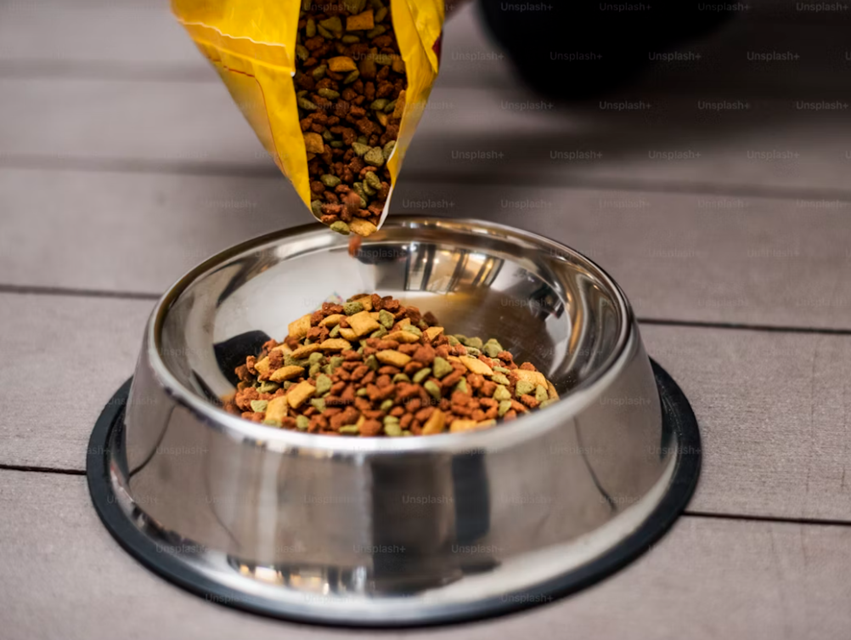
If you’ve ever wondered how to switch dog food without upsetting your pup’s stomach, you’re not alone. Many pet parents want to upgrade their dog’s diet …whether for health reasons, better ingredients, or a change in life stage, but they worry about causing digestive issues. Switching dog food is more than just pouring a new kibble into the bowl. It’s a process that should be done gradually and with care to keep your dog happy, healthy, and free from tummy troubles. This article will guide you through the process of switching your dog’s food, explain why a slow transition is so important, and share tips to make the process as smooth as possible.
Why Transitioning Slowly Matters
Dogs have sensitive digestive systems. A sudden switch to a new food can lead to vomiting, diarrhea, gas, or a refusal to eat. The gut microbiome…the community of beneficial bacteria in your dog’s intestines, needs time to adjust to new ingredients and nutrient profiles.
 When thinking about how to switch dog food, slow and steady wins the race. A gradual transition allows your dog’s digestive system to adapt, reducing the risk of gastrointestinal upset. It also gives you a chance to observe how your dog reacts to the new food and stop if any problems arise.
When to Switch Dog Food
There are several reasons you might want to change your dog’s food:
-
Life stage changes: Puppies, adult dogs, and senior dogs have different nutritional needs.
-
Health issues: Your vet may recommend a special diet for allergies, weight control, kidney disease, or other conditions.
-
Ingredient preferences: You may choose a food with higher-quality ingredients or better sourcing.
-
Taste and variety: Some dogs benefit from rotating proteins or switching to a different flavor to avoid boredom.
If you’re unsure whether to switch, consult your veterinarian or a clinical dog nutritionist. They can recommend the best food based on your dog’s age, breed, weight, and health status.
Step-by-Step: How to Switch Dog Food
The safest way to switch dog food is to do it gradually over 7–10 days. Here’s a simple schedule:
Days 1–2:
Mix 75% of the old food with 25% of the new food.
Days 3–4:
Mix 50% old food and 50% new food.
Days 5–6:
Mix 25% old food and 75% new food.
Day 7 and beyond:
Feed 100% of the new food.
If your dog has a very sensitive stomach, stretch this transition over 14 days, making the changes more gradual. Watch for signs of discomfort like loose stool, vomiting, or refusal to eat.
Watch for Warning Signs
During the transition, monitor your dog closely. Mild soft stools are normal for a day or two, but if you notice severe diarrhea, vomiting, lethargy, or loss of appetite, stop the new food and consult your vet.
These symptoms can indicate that your dog is having trouble digesting the new food, or they may be allergic to one of its ingredients.

Are you finding this article useful? Would you like 100% free access to more articles like these, and free access to over 5,000 vetted pet care service professionals throughout the United States? Sign up here for a free Petworks account, and we’ll email you a 10% discount code, good towards your first pet care services booking on Petworks!
Tips to Make the Switch Easier
-
Stick to a schedule: Feed your dog at the same times each day to keep digestion predictable.
-
Measure portions: Overfeeding during a transition can increase stomach upset.
-
Avoid table scraps: Human food can complicate the adjustment process.
-
Introduce probiotics: These can help balance gut bacteria and reduce diarrhea.
-
Keep hydration up: Make sure your dog has access to plenty of fresh water.
Special Considerations for Puppies and Seniors
When learning how to switch dog food, keep in mind that puppies and senior dogs require special care. Puppies grow quickly and need a nutrient-dense diet with the right balance of protein and fat. Transitioning too slowly might not provide enough calories during growth spurts.
Senior dogs may have slower digestion or medical conditions that require prescription diets. Work closely with your vet to find the best option and switch gradually while monitoring for changes in energy, weight, and mobility.
Rotational Feeding and Variety
Some pet parents choose rotational feeding, where they switch between different protein sources or brands every few months. This can provide variety, prevent boredom, and help dogs build tolerance to a wider range of ingredients.
If you want to try rotational feeding, follow the same gradual transition steps each time you switch. Over time, your dog’s digestive system may become more adaptable, making future transitions easier.
Common Mistakes to Avoid
When figuring out how to switch dog food, avoid these pitfalls:
-
Switching too quickly: This is the number one cause of digestive upset.
-
Mixing too many foods: Stick with one new food at a time so you know what’s causing any reaction.
-
Ignoring portion sizes: Too much new food too soon can overwhelm your dog’s stomach.
-
Skipping vet advice: If your dog has a health issue, always get professional guidance.
When to Call the Vet
Even with a slow transition, some dogs may struggle with new foods. Call your vet if you notice:
-
Persistent diarrhea lasting more than 48 hours
-
Blood in stool or vomit
-
Severe lethargy or weakness
-
Significant weight loss
-
Refusal to eat for more than a day
Your veterinarian can rule out medical issues and help find a more suitable food.
Learning how to switch dog food is one of the best ways to protect your pup’s health during a diet change. A slow, measured transition helps avoid stomach upset and gives you time to monitor your dog’s response. Whether you’re upgrading ingredients, following your vet’s advice, or just offering new flavors, patience and consistency are key.
By taking a thoughtful approach, you can ensure your dog enjoys their new food…and you’ll feel confident knowing you made the switch safely.
About Petworks
 In 2021, Dr. Marty Goldstein DVM joined the pet care platform Petworks as an advisor in its Animal Nutrition care division. Dr Marty Nature’s Blend is on a mission to help your pets live their healthiest lives possible. Dr. Marty’s pet nutrition expertise and guidance has helped Petworks evolve and become the preeminent animal and pet nutrition consultation service for pet parents in North America.
 In 2022, Blue Buffalo Founder Bill Bishop Jr. joined Petworks as Senior Advisor in our Animal Nutrition Care Division. Bill brings his extensive expertise in pet food innovation and business leadership. His guidance helps Petworks enhance our pet nutrition service offerings, helping to ensure that pet parents throughout the world receive trusted, science-backed nutritional support for their dogs, cats, and animals.
About The Author
 Petworks Co-Founder Kevin Kinyon is a life-long animal lover who works tirelessly to improve the lives of pets and their parents. Human and animal qualities he values most are integrity, humor, and empathy.

 petworks tm