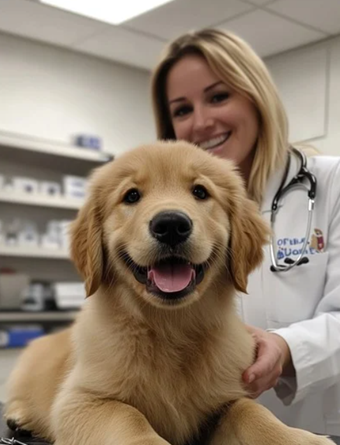
Understanding the Distemper Vaccine for Dogs and Pets. Canine distemper is a highly contagious and often fatal viral disease affecting dogs and other animals, including ferrets and certain wildlife species. The distemper virus attacks multiple body systems, including the respiratory, gastrointestinal, and nervous systems. Vaccination remains the most effective method of preventing this devastating disease. This article provides an in-depth look at the distemper vaccine, its importance, administration schedule, and benefits for pets.
 What is Canine Distemper?
Canine distemper is caused by the Canine Distemper Virus (CDV), which spreads through airborne exposure (sneezing, coughing), direct contact with infected animals, and contaminated surfaces. The virus is especially dangerous for puppies and unvaccinated dogs, leading to severe symptoms such as fever, nasal discharge, coughing, lethargy, vomiting, diarrhea, seizures, and even death.
What is the Distemper Vaccine?
The distemper vaccine is a core vaccine, meaning it is essential for all dogs regardless of lifestyle. Veterinarians commonly combine it with vaccines for parvovirus, adenovirus, and parainfluenza to form the DAPP or DHPP vaccine (Distemper, Adenovirus, Parvovirus, and Parainfluenza). The vaccine stimulates the dog’s immune system to recognize and fight the distemper virus, reducing the likelihood of infection and minimizing symptoms if exposure occurs.
 Why is the Distemper Vaccine Important?
Vaccination plays a crucial role in preventing the spread of canine distemper. Here are key reasons why this vaccine is necessary:
Highly Contagious Disease Prevention – Distemper spreads rapidly through direct contact and airborne transmission, making unvaccinated dogs highly vulnerable.
High Fatality Rate – Canine distemper has a high mortality rate, particularly in puppies and immunocompromised dogs.
Long-Term Complications – Even if a dog survives distemper, the virus can cause lifelong neurological issues, including tremors and seizures.
Protects Other Animals – Since the virus also affects wildlife, vaccinating domestic dogs helps reduce overall transmission.
Cost-Effective Prevention – Treating distemper can be expensive and often unsuccessful. Vaccination is a far more cost-effective approach.

Are you finding this article useful? Would you like 100% free access to more articles like these, and free access to over 5,000 vetted pet care service professionals throughout the United States? Sign up here for a free Petworks account, and we’ll email you a 10% discount code, good towards your first pet care services booking on Petworks!
Distemper Vaccine Schedule
Veterinarians follow a structured schedule to ensure optimal protection against distemper:
Initial dose at 6-8 weeks of age
Booster shots every 2-4 weeks until the puppy reaches 16 weeks
Final booster at one year
Adult Dog Vaccination
Booster vaccine every one to three years, depending on veterinarian recommendations and local regulations.
“Distemper, a close relative of measles, is a highly contagious disease that can cause severe neurologic disease and death, but it is readily preventable via vaccination.” – Dr. Patrick Carney, Associate Professor, Section of Community Practice, Cornell University College of Veterinary Medicine.
How is the Distemper Vaccine Administered?
The distemper vaccine is typically given as an injection under the skin (subcutaneous). Veterinarians may combine it with other core vaccines to minimize stress on the pet and reduce the number of separate shots required.
Are There Side Effects of the Distemper Vaccine?
While most dogs tolerate the distemper vaccine well, some may experience mild side effects, including:
- Soreness at the injection site
- Mild fever
- Temporary lethargy
- Loss of appetite
In rare cases, serious allergic reactions can occur, including swelling, difficulty breathing, or vomiting. If these symptoms appear, immediate veterinary care is necessary.
The cost of the distemper vaccine for dogs and other pets can vary based on factors such as location, veterinary clinic, and whether it’s part of a combination vaccine. Here’s a general breakdown of typical costs:
-
Single Distemper Vaccine: $20 to $40 per dose
-
Combination Vaccine (DHPP/DAPP): $40 to $100 per dose
-
Puppy Vaccination Series (Multiple Doses + Boosters): $75 to $200 in total
-
Annual or Triannual Booster for Adult Dogs: $40 to $100 per visit
Some low-cost clinics, shelters, or pet stores (such as Petco and Tractor Supply) offer distemper vaccinations at discounted prices, often between $15 and $35 per shot. Always consult with a veterinarian to ensure the correct vaccine schedule and quality of care.
Can a Dog Get Distemper Even After Vaccination?
While no vaccine provides 100% protection, the distemper vaccine significantly reduces the risk of infection. When the virus exposes a vaccinated dog, the dog usually develops much milder, non-fatal symptoms compared to unvaccinated dogs.
Distemper Vaccine for Other Pets
While the distemper vaccine is primarily for dogs, certain animals, such as ferrets, also require distemper vaccination. Ferrets are highly susceptible to the virus, and unvaccinated individuals often do not survive the disease. The vaccine schedule for ferrets typically includes an initial series followed by annual boosters.
The Role of Herd Immunity in Distemper Prevention
Vaccinating a high percentage of dogs in a community creates herd immunity, which reduces the overall spread of the virus. This protection also safeguards puppies too young to be vaccinated and pets with weakened immune systems.
How to Ensure Your Dog is Properly Vaccinated
- Schedule Regular Veterinary Visits – Keep up with routine vaccinations and booster shots.
- Check Shelter or Breeder Records – If adopting a puppy or dog, ensure they have received initial vaccinations.
- Avoid Contact with Unvaccinated Dogs – Limit exposure to potentially infected animals, especially for puppies.
- Monitor for Symptoms – Even vaccinated dogs should be observed for any signs of illness and receive immediate medical care if needed.
Distemper Vaccine FAQ
1. What is the distemper vaccine for dogs?
The distemper vaccine protects dogs from canine distemper virus (CDV), a highly contagious and potentially deadly disease that affects the respiratory, digestive, and nervous systems. It is considered a core vaccine for all dogs.
2. At what age should puppies get the distemper vaccine?
Puppies typically receive the distemper vaccine starting at 6–8 weeks old, with boosters every 3–4 weeks until about 16 weeks of age. Early vaccination helps ensure they are protected before exposure to the virus.
3. How often do adult dogs need a distemper booster?
Most adult dogs require a booster every 3 years, though some veterinarians may recommend yearly boosters depending on lifestyle, exposure risk, and local regulations.
4. Is the distemper vaccine safe for dogs?
Yes, the distemper vaccine is generally safe. Most dogs may experience mild side effects like soreness at the injection site, mild fever, or temporary fatigue. Serious reactions are rare but should be reported to a veterinarian immediately.
5. Can dogs with health issues receive the distemper vaccine?
Dogs with chronic illnesses or immune system problems may need a custom vaccination plan. A veterinarian can determine the safest schedule or alternative protocols to ensure protection without compromising health.
6. Can the distemper vaccine cause the disease?
No. The distemper vaccine contains inactivated or modified live virus that cannot cause canine distemper in a healthy dog. It safely triggers the immune system to build protection.
7. Are there any dogs that don’t need the distemper vaccine?
All dogs are recommended to receive it, but certain puppies too young, or dogs with severe immune disorders, may have delayed vaccination. A veterinarian can provide guidance in these cases.
8. What are the benefits of the distemper vaccine?
Vaccinated dogs are protected against life-threatening illness, complications, and spread of disease. The vaccine also helps prevent costly treatments and protects other pets in multi-dog households.
In Conclusion
The distemper vaccine is a lifesaving preventive measure that every dog owner should prioritize. By ensuring proper vaccination schedules, pet parents protect their dogs from a potentially fatal disease while also contributing to the health of the broader animal community. Regular vet visits and adherence to vaccination guidelines help ensure a happy, healthy life for pets.
About Petworks
 In 2021, Dr. Marty Goldstein DVM joined the pet care platform Petworks as an advisor in its Animal Nutrition care division. Dr Marty Nature’s Blend is on a mission to help your pets live their healthiest lives possible. Dr. Marty’s pet nutrition expertise and guidance has helped Petworks evolve and become the preeminent animal and pet nutrition consultation service for pet parents in North America.
 In 2022, Blue Buffalo Founder Bill Bishop Jr. joined Petworks as Senior Advisor in our Animal Nutrition Care Division. Bill brings his extensive expertise in pet food innovation and business leadership. His guidance helps Petworks enhance our pet nutrition service offerings, helping to ensure that pet parents throughout the world receive trusted, science-backed nutritional support for their dogs, cats, and animals.
About The Author
 Petworks Co-Founder Kevin Kinyon is a life-long animal lover who works tirelessly to improve the lives of pets and their parents. Human and animal qualities he values most are integrity, humor, and empathy.

 petworks tm