
Cats are mysterious creatures by nature. While their independent personalities and playful antics can be endlessly entertaining, many cat owners ask: “Why does my cat hide so much?” Understanding cat hiding places, and knowing how to safely locate them, can strengthen your bond and ensure your cat’s health and happiness. In this guide, we’ll explore why cats hide, common indoor and outdoor hiding spots, expert tips from cat behaviorists, and strategies for keeping your feline comfortable and safe. (more…)
Category: Cat Behavior

A cat behaviorist is a professional who specializes in understanding and addressing feline behavior issues. These experts possess deep knowledge of cat psychology, communication, and environmental needs, allowing them to identify the root causes of problematic behaviors such as aggression, litter box issues, excessive meowing, and destructive scratching.
When hired, a cat behaviorist typically conducts an in-depth consultation with the cat’s owner to gather information about the cat’s history, daily routines, and specific behaviors. They may also observe the cat in its home environment to assess its interactions and stress triggers. Based on their findings, the behaviorist creates a customized behavior modification plan, which may include changes to the cat’s environment, adjustments to the owner’s interactions with the cat, and specific training techniques designed to modify unwanted behaviors.
The behaviorist works closely with the cat’s owner, providing guidance, support, and follow-up sessions to ensure the effectiveness of the plan. They may also collaborate with veterinarians to rule out or address any medical conditions that could be contributing to the cat’s behavior.
Hiring a pro can generally run between $100 and $300 per session, depending on factors like the behaviorist’s experience, location, and the complexity of the cat’s issues. Initial consultations, which often include a thorough assessment of the cat’s behavior and environment, tend to be on the higher end of the scale, ranging from $150 to $300. Follow-up sessions are usually less expensive, averaging around $100 to $200. Some behaviorists also offer package deals or remote consultations, which can reduce the overall cost. It’s important to invest in a qualified behaviorist to ensure effective results. The ultimate goal of a cat behaviorist is to improve the cat’s well-being and foster a harmonious relationship between the cat and its owner, ensuring a peaceful and happy household.
Why Do Cats Purr?

Why Do Cats Purr? Understanding the Science, Mechanics, and Meaning for Cat Moms. Cats are, of course, mysterious creatures, and one of their most intriguing behaviors is purring. This soft, rhythmic sound has fascinated cat parents for centuries. While purring is often associated with a contented feline curled up in a warm lap, the reasons behind this vocalization are far more complex. Understanding why and how cats purr, as well as what it means for cat moms, can deepen the bond between pet parents and their furry companions.
Why Does My Cat Headbutt Me?

Why Does My Cat Headbutt Me? Understanding This Feline Behavior. Cats are known for their quirky behaviors, and one of the most endearing is headbutting. Also called “bunting,” this affectionate gesture may seem puzzling, but it carries deep meaning in feline communication. If your cat frequently bumps their head against you, you might wonder why they do it. Is it a sign of love, trust, or something else? In this article, we’ll explore the reasons behind this behavior and what it means for your bond with your feline companion.
Types of Siamese Cats: A Complete Guide For Cat Lovers

The Various Types of Siamese Cats: Characteristics, Behavior, and Care. Siamese cats are among the most recognizable and beloved feline breeds. With their striking blue eyes, sleek coats, and engaging personalities, they have captivated cat lovers for centuries. However, many people don’t realize that there are multiple types of Siamese cats, each with its own distinct characteristics. This article explores the different types of Siamese cats, their behavior, specific health care needs, and the best Siamese varieties for families.
How To Help A Cat In Heat
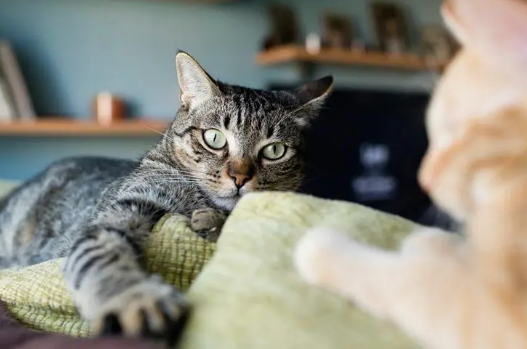
How to Help a Cat in Heat: A Complete Guide. Cats in heat, also known as being in estrus, experience a natural biological cycle that can bring about behavioral changes and vocalizations that might concern pet owners. Understanding what your cat is going through and how to assist her during this time is very important for her well-being. This article explains the signs of a cat in heat, how to comfort her, and long-term solutions to manage estrus cycles effectively.

 petworks tm