
The bond we share with our dogs and cats transcends mere companionship; they are family. As modern life becomes increasingly dynamic, with work trips, social engagements, and unexpected obligations pulling us away from home, ensuring our furry family members receive the best possible care remains a top priority. Fortunately, the digital revolution has ushered in a new era of convenience, empowering pet parents to find and book remote pet care services with unprecedented ease. This article delves into the landscape of modern pet care, exploring how technology connects pet parents with trusted caregivers, offering peace of mind even when miles apart. (more…)
Category: Animal Wellness

Modern animal wellness care has evolved significantly, focusing on holistic approaches that encompass both physical and emotional health. Today’s pet care goes beyond traditional veterinary medicine. It incorporates therapies like chiropractic care, acupuncture, massage, and Reiki to promote overall well-being. These complementary treatments address issues such as chronic pain, anxiety, and mobility problems, providing pets with a more balanced and comfortable life.
Nutrition has also become a critical component of wellness care, with tailored diets designed to meet specific health needs, often guided by certified animal nutritionists. Moreover, behavioral health is increasingly recognized as vital, with animal behaviorists and trainers playing a crucial role in addressing behavioral issues that can impact a pet’s quality of life.
Preventative care remains a cornerstone, emphasizing regular check-ups, vaccinations, and dental care, but it is now paired with personalized wellness plans that consider the unique needs of each animal.
The integration of telemedicine and mobile services has made it easier for pet owners to access high-quality care. This helps ensure that pets receive timely attention even in remote areas. This comprehensive approach reflects a growing awareness that pets are not just animals but beloved family members. Their well-being is paramount. As a result, modern animal wellness care is more attuned to the diverse needs of pets, helping them lead healthier, happier lives through a combination of traditional and innovative practices.
What Does ASPCA Stand For

The American Society for the Prevention of Cruelty to Animals (ASPCA) stands as a beacon of hope for countless animals across the United States. It was founded in 1866 by Henry Bergh. Since then, the ASPCA has been at the forefront of animal welfare. They work tirelessly to protect and rescue animals from cruelty, neglect, and abuse. With a rich history spanning over a century and a half, the ASPCA continues to be a driving force in promoting compassion and kindness toward all living beings.
(more…)
Explore Homeopathic Remedies for Dog Wellness
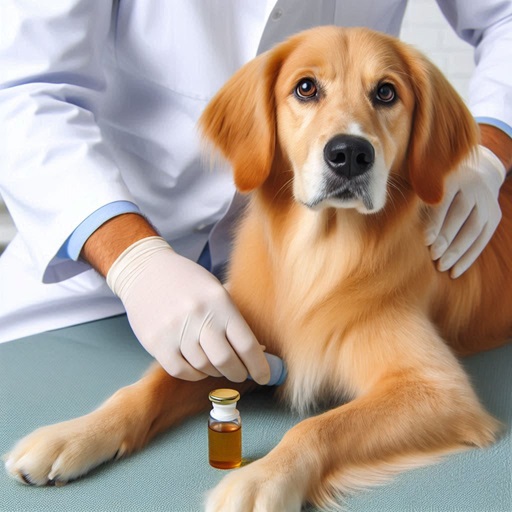
Homeopathic Remedies for Dog Wellness Care: Natural Healing for Your Canine Companion. In the quest to provide dogs with the best possible care, many pet parents are turning to homeopathic remedies. Rooted in the principle of “like cures like,” homeopathy aims to stimulate the body’s natural healing processes using highly diluted natural substances.
Though traditional veterinary medicine remains essential for serious conditions, homeopathy can be an excellent complementary approach for enhancing a dog’s overall wellness and preventing minor ailments from becoming major problems. This article explores how homeopathy can support dog wellness care, popular remedies, and how to use them safely.
The Philosophy Behind Homeopathic Care for Dogs
Homeopathy treats the individual, not just the disease. Rather than targeting a specific symptom with a pharmaceutical, a homeopathic practitioner looks at the dog’s physical, emotional, and behavioral patterns to select a remedy that matches their overall picture. Remedies are chosen based on the dog’s constitution, reactions, temperament, and specific symptoms. The goal is to trigger the body’s self-healing abilities rather than simply suppress symptoms.
 Because of its gentle approach, homeopathy is often used for prevention, boosting vitality, improving immune function, and addressing minor physical or emotional imbalances before they escalate.
Benefits of Homeopathy for Dogs
-
Gentle and Non-Invasive: Homeopathic remedies are administered in tiny, diluted doses, making them extremely safe for dogs of all ages, including puppies and seniors.
-
Customizable Treatments: Remedies can be tailored to each dog’s individual needs, whether they are dealing with anxiety, digestive issues, skin problems, or mobility challenges.
-
Supports Natural Healing: Homeopathy works with the body, not against it, encouraging a more balanced and resilient immune system.
-
Minimizes Chemical Exposure: Many pet parents appreciate using fewer synthetic chemicals, which can sometimes cause side effects or long-term health concerns.
-
Complements Veterinary Care: Homeopathy can work alongside conventional veterinary treatments, offering additional support during recovery or chronic care.
Common Homeopathic Remedies for Dogs
There are hundreds of homeopathic remedies, but a few stand out as particularly useful for maintaining canine wellness:
1. Arnica montana
Arnica is one of the most widely used homeopathic remedies, ideal for dogs that experience bruising, soreness, or muscle strain after vigorous play, agility training, or even a minor accident. It is often called upon for injury recovery and to minimize swelling.
2. Apis mellifica
Derived from honeybee venom, Apis is helpful for allergic reactions involving swelling, redness, or stinging sensations. It is often used for insect bites, hives, and minor allergic flare-ups.
3. Nux vomica
This remedy is well-known for digestive disturbances, such as nausea, constipation, vomiting, or bloating. It can be helpful when a dog experiences tummy trouble after eating something they shouldn’t have.
4. Chamomilla
Chamomilla is ideal for soothing irritability and anxiety, particularly in teething puppies or dogs who are unusually sensitive to pain or discomfort.
5. Rhus toxicodendron
Often used for joint and mobility issues, Rhus tox can help dogs who seem stiff at first but loosen up with movement. It is popular among aging dogs dealing with arthritis or soreness.
6. Pulsatilla
Pulsatilla is a gentle remedy often used for emotional balance, helping dogs who are clingy, needy, or struggling with separation anxiety. It can also assist with mild digestive and hormonal issues.
7. Sulphur
Sulphur is a frequently recommended remedy for chronic skin conditions like itching, hotspots, and dry, flaky skin. It supports the skin’s natural healing and detoxification processes.
8. Belladonna
This remedy is used when symptoms come on suddenly and intensely, such as sudden fevers, inflammations, or infections.

Are you finding this article useful? Would you like 100% free access to more articles like these, and free access to over 5,000 vetted pet care service professionals throughout the United States? Sign up here for a free PetWorks account, and we’ll email you a 10% discount code, good towards your first pet care services booking on PetWorks!
How to Administer Homeopathic Remedies
Homeopathic remedies are usually available as small pellets, liquids, or tablets. They are given orally, often placed directly into the dog’s mouth or mixed into their water or food. It’s important that remedies are given on a clean palate. Meaning, no food or strong scents like treats right before or after, to avoid interference with the remedy’s action.
Generally, the “less is more” rule applies: a few doses are often enough. If a dog improves, the remedy should be stopped to allow the body to continue healing on its own. Re-dosing is usually only necessary if symptoms return.
Always consult with a veterinarian or certified animal homeopath before beginning homeopathic care to ensure the remedy, potency, and dosing schedule are appropriate for your dog’s specific needs.
Homeopathic Remedies for Preventative Wellness
Beyond treating ailments, homeopathy can play a key role in preventive wellness care:
-
Boosting Immunity: Remedies like Thuja are sometimes used after vaccinations to support immune system balance.
-
Calming Anxiety: Remedies such as Aconite or Argentum nitricum can help dogs prone to nervousness or stress during storms, travel, or vet visits.
-
Supporting Aging Dogs: Remedies like Calcarea carbonica can help senior dogs manage the effects of aging more gracefully, supporting joints, metabolism, and cognitive function.
Proactive use of homeopathy may contribute to fewer illnesses, faster recoveries, and an overall healthier, happier dog.
Things to Consider Before Using Homeopathy
While homeopathy is very safe, there are important considerations to keep in mind:
-
Not a Substitute for Emergency Care: Serious injuries, infections, or acute illnesses still require immediate veterinary attention. Homeopathy is a complement, not a replacement.
-
Quality of Remedies Matters: Always use remedies from reputable sources to ensure purity and effectiveness.
-
Patience is Needed: Homeopathy often works subtly and gradually. It may take days or even weeks to see noticeable improvements, especially in chronic conditions.
-
Correct Remedy Selection is Critical: Homeopathy is highly individualized. The wrong remedy won’t harm your dog, but it won’t help either. Professional guidance can make a big difference.
-
Watch for Aggravations: A brief worsening of symptoms (a “healing aggravation”) can sometimes occur when the correct remedy is working. This usually resolves quickly but should be monitored.
Working with a Certified Animal Homeopath
A qualified animal homeopath or integrative veterinarian can conduct a full assessment of your dog’s emotional and physical health to recommend appropriate remedies. This partnership ensures your dog’s wellness plan is customized, safe, and more likely to be effective.
Certified animal homeopaths usually gather detailed information about your dog’s behavior, preferences, history, and even quirky habits to match the perfect remedy. Regular follow-ups help adjust the plan as your dog’s needs evolve.
A Holistic Approach to Dog Wellness
Homeopathy offers a gentle, supportive method for nurturing your dog’s health naturally. When used wisely, it can help maintain vitality, support recovery from minor ailments, and foster emotional balance. Combined with good nutrition, regular exercise, dental care, and veterinary checkups, homeopathy can be a powerful tool in a comprehensive dog wellness program.
Ultimately, homeopathy honors the wholeness of your dog—body, mind, and spirit. It’s not just about treating isolated symptoms; it’s about promoting lasting wellness from within.
If you are curious about exploring homeopathy for your dog, start by speaking with an experienced animal homeopath or holistic veterinarian. With guidance and patience, you may discover that these gentle remedies can play a significant role in keeping your beloved canine companion thriving for years to come.
About PetWorks
 In 2021, Dr. Marty Goldstein DVM joined the pet care platform PetWorks as an advisor in its Animal Nutrition care division. Dr Marty Nature’s Blend is on a mission to help your pets live their healthiest lives possible. Dr. Marty’s pet nutrition expertise and guidance has helped PetWorks evolve and become the preeminent animal and pet nutrition consultation service for pet parents in North America.
 In 2022, Blue Buffalo Founder Bill Bishop Jr. joined PetWorks as Senior Advisor in our Animal Nutrition Care Division. Bill brings his extensive expertise in pet food innovation and business leadership. His guidance helps PetWorks enhance our pet nutrition service offerings, helping to ensure that pet parents throughout the world receive trusted, science-backed nutritional support for their dogs, cats, and animals.
About The Author
 PetWorks Co-Founder Kevin Kinyon is a life-long animal lover who works tirelessly to improve the lives of pets and their parents. Human and animal qualities he values most are integrity, humor, and empathy.
7 Reasons Your Dog’s Nose is Running
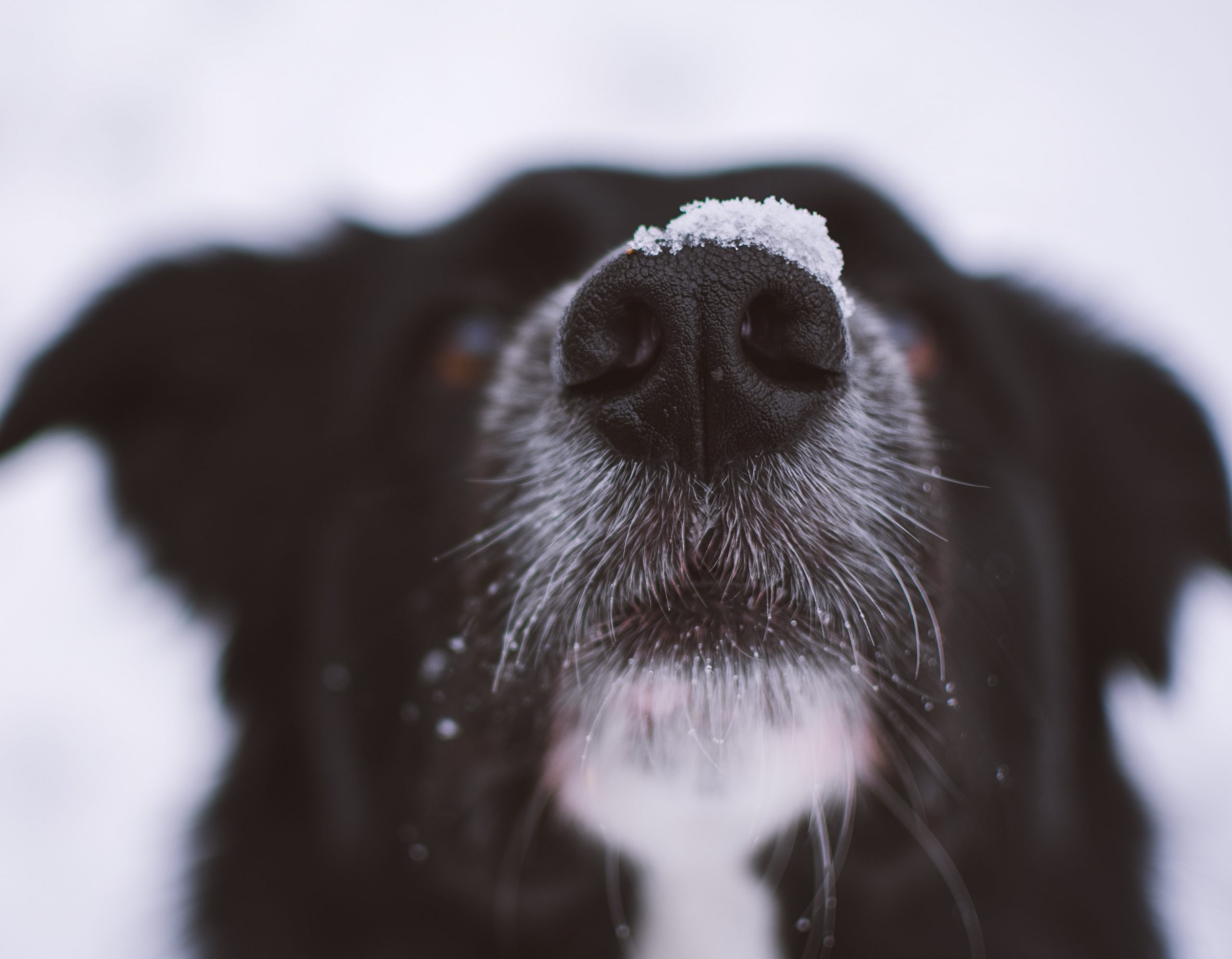
While a runny nose isn’t a big deal to us, it can be for our dogs. Smell is a dog’s strongest sense, as they have over 220 million smell receptors in their nose compared to our mere 5 million. That makes their nose about 100,000 times more powerful than ours.
A runny nose can be sign of excitement or anxiety, but it can also be indicative of something more. Understanding the cause of your pup’s runny nose is important to help you determine the best action to help them. Without further ado, let’s get into it!
Allergies
Allergies are the primary cause of nasal discharge for dogs. If your pet has a runny nose, this is the first thing you should consider. Like us, our pet dogs can also have allergic reactions. The most common allergies come from pollen, drugs, food, spores, mites, and even chemicals. If your dog’s runny nose is due to an allergy, it may come with other symptoms. You should observe if your dog sneezes, coughs, itches, or has a nosebleed. Your pet may also have eye discharge or experience difficulty breathing. It’s challenging to deal with allergies, especially when you don’t know what your dog is allergic to. For this reason, it would be a good idea to have your pet tested for allergies at your vet.
Blockage
Another common reason for a runny nose is a blockage. Discharge may occur when something is stuck in your dog’s nostril. If your dog’s runny nose is due to a blockage, there may be other signs from your pet like sneezing, nose pawing, and nose bleeding. If you’re not comfortable with removing the thing that is blocking your dog’s nose on your own, you can take them to the vet. Moreover, your vet will provide proper medication to prevent any infection.
Infection
A runny nose can be a sign that your pet suffers from bacterial, fungal, or viral infection. If your dog has a runny nose due to infection, it may include other symptoms like: odor, nosebleed, frequent coughs, and even choking due to postnasal drips. The treatment for infection may vary. A bacterial infection may need antibiotics, fungal infections require unique treatments, and if it’s a chronic infection, your dog might need surgery. As always, consult your vet with questions and concerns.
Nasal Polyps
According to Mayo Clinic, Nasal Polyps are soft, painless, noncancerous growths on the nasal passages’ lining. They hang down like teardrops and may result from chronic inflammation. Runny nose due to such things usually involves surgery. Since this complication tends to reappear, it may need additional treatment.
Nostril problems
Nostril problems happen to some dogs more than others. The breeds that are more prone are usually flat-faced breeds. Those with soft and floppy nose cartilage also experience this more than the others. For such dogs, surgery may be necessary. However, if your pet is still a puppy, your vet may ask you to wait until adulthood.
Canine Distemper
Canine Distemper can produce a sticky and yellowish discharge in dogs. It may likely be an explanation if your dog oozes a yellowish substance. Alongside a runny nose, there can also be other symptoms like fever, pneumonia, twitching, and convulsion. Such a condition is preventable by getting your pet vaccinated between ages 8-16 weeks.
Are you finding this article useful? Would you like 100% free access to more articles like these, and free access to over 5,000 vetted pet care service professionals throughout the United States? Sign up here for a free Petworks account, and we’ll email you a 10% discount code, good towards your first pet care services booking on Petworks!
Rocky Mountain Spotted Fever (RMSF)
According to CDCP, Rocky Mountain spotted fever is a bacterial disease caused by an infected tick bite. If your pet’s running nose is due to this RMSF, it may include other symptoms like high fever, lethargy, coughing, eye inflammation, and even pain. The treatment may likely include several weeks of antibiotics.
What can I give my dog for a runny nose?
The current pet market has no shortage of options for runny nose treatment. You can find many remedies to help your pet, including drugs and home remedies. Of course, medication for dogs would be best if it has been recommended by an expert. Thus, it’s always appropriate if you inquire and get your vet’s approval before giving your pet any drug.
Here are some typical medications to give your pet for a runny nose:
Antihistamines
Antihistamines relieve allergy symptoms or counteract allergic reactions. This drug is usually safe for pets. However, it may cause drowsiness and hyper activeness.
According to VCA Hospitals, among the widely-used antihistamines are:
- Benadryl (diphenhydramine)
- Zyrtec (cetirizine)
- Claritin (loratadine)
Corticosteroids
VCA Hospitals also state that corticosteroids are steroid hormones in the adrenal glands. This steroid works in runny noses by suppressing the inflammation due to an allergic response. Using this medication can ease your pet’s running nose and breathing difficulties.
Anti-inflammatory drugs
According to the FDA, anti-inflammatory drugs reduce ongoing pain and inflammation in animals.
The following drugs are safe for your pet:
- Carprofen (Novox or Rimadyl)
- Deracoxib (Deramaxx)
- Firocoxib (Previcox)
- Meloxicam (Metacam)
Antibiotics
Antibiotics work by destroying the bad cells without damaging your dog’s healthy cells. It’s the most commonly prescribed medication to aid a runny nose.
Common antibiotic medications for dogs are:
- Enrofloxacin (Baytril)
- Amoxicillin/Clavulanic acid (Clavamox)
- Metronidazole (Flagyl)
- Clindamycin (Antirobe)
As always, the use of any medication for dogs would be better with a vet’s approval or recommendation. This way, your pet will get proper treatment without compromising its health.
Home remedies for your pup’s stuffy nose
If you don’t want to use medication and you would rather soothe your pet’s nose naturally, there are other things you can do at home.
Steam
Steam allows us to breathe better when we’re having nasal problems. The same principle applies to our dogs as well. You can open up a hot shower and let it steam the bathroom for a while. Giving your pet a 15-minute steam break will do them good. Or, you can also use a humidifier to create steam near your dog’s area. You can take it up a notch by adding some essential oils that are perfect for your dog.
Aromatherapy
Aromatherapy offers great relief, not only for us but for our pets too. Of course, essential oils can be ideal for pets. However, you can consult your vet if you plan on using them.
Essential oils often used to treat colds in dogs include:
- Eucalyptus oil
- Peppermint oil
- Lavender oil
When trying aromatherapy, always remember that your dog has a strong sense of smell. Thus, it would be best not to go overboard with the use of essential oils. Less is more!
Herbs and honey
Herbs and honey go a long way when it comes to soothing a dog’s nose. Herbs like elderflower and kali bichromicum can help relieve cold symptoms. Honey also soothes canine coughs and colds. However, due to its sugar content, it’s only ideal for dogs with no diabetic history.
Chicken Soup
Soup and other fluids also work wonders in aiding your pet’s condition. Of course, they cannot eat the classic soup that we do because it’s high in sodium and other toxic ingredients. If you’re making one without adding seasonings and flavors, you can offer it to help your dog. You can also find and hire clinical pet nutritionists on Petworks, via remote consultations.
Rest
Nothing beats old-fashioned rest. Allowing your pet to sleep and rest more will help them gain strength back. If you have a heated bed, it’s ideal for soothing the congestion your pet may feel. However, it’s not necessary to spend on it. A good long rest is enough to help your pet as it suffers from a runny nose. As owners, we always want the best for our pets. While these five things may seem simple and easy to do, they go a long way.
Can I give my dog Benadryl for a runny nose?
The short answer is yes. You can give your dog Benadryl to relieve its runny nose. Benadryl is an antihistamine that relieves allergy symptoms and even counteracts allergic reactions. Although this drug is safe for pets to take, remember that it can cause drowsiness. Also, it can make your pet more hyperactive. It would be ideal to get a recommendation from your vet before giving your dog Benadryl. That way, you can be sure that you are giving your pet the proper medication. Aside from Benadryl, you can also consider other antihistamines like Zyrtec (cetirizine) or Claritin (loratadine).
Do dogs have a runny nose when they’re scared?
Yes, your dog’s runny nose may be due to fear. When dogs get excited or scared, there is a high possibility that they will have a running nose. As I said earlier, a runny nose can result from many things. It is important to ensure that it is a result of anxiety or excitement. To know this, try to observe your pet’s reaction. If the dripping subsides as your dog calms down, then it’s due to fear or excitement. If this is the case for your pet, then you don’t have to worry about it. The runny nose will pass as soon as your pet calms. However, if your pet continues to have a runny nose, then it would be best to check for other symptoms.
Why is my dog’s mucus green?
A runny nose can be caused by many things. One way to tell is from the color of the mucus that comes out. It will be different from the usual thin, watery, and clear – it may be thick, yellowish, or green. The nasal discharge can either be Serous, Mucous, or Purulent. Serous is the term associated with a watery, thin, and clear nasal discharge. This type of discharge usually comes from an allergy. Mucous is a thick discharge that comes from either yellow or white color. This type usually happens due to inflammation. Lastly, the Purulent, which is green or yellow, usually comes from a bacterial infection. If your pet’s runny nose releases green discharge, it may be a good time to consult your vet.
Why is my dog shaking (and has a runny nose)?
If your dog continues shaking while having a running nose, it may be due to Canine Distemper. According to Forever Vets, such a condition comes from a virus called Distemper. It happens mostly to young dogs and puppies that have not been vaccinated. The virus can cause flu-like symptoms, one being a runny nose. Also, it can cause tremors, which is why your dog may be shaking. To prevent such, take your dog to a vet within 8-16 weeks and have it vaccinated. It’s the best way to avoid a canine distemper.
How do I clean my dog’s boogers?
If you want to clean your dog’s nose, the best method is steaming. The steam from a hot shower creates the best relief, and it will help you to clean up your dog’s nose. Here are some steps you need to follow:
Build up the steam
You’ll need a lot of steam to help your pet’s nose. In your bathroom, let the hot shower run and close the vents. This way, you’ll make more steam that will make the bathroom better for your dog. The steam will help loosen the mucus and booger in his nostrils. It will then be easier for you to clean.
Massage your pet’s nose
Massaging your pet’s nose afterward can help to loosen the mucus. This action will help relieve any irritation for your pet.
Use a suction bulb
Use a baby nasal suction bulb. Insert the tip into the nostril and gently suck the mucus out.
Repeat it until the nose is clear from boogers. It will be easy to suck due to the massage and steam.
Wipe with a warm and moist cloth
A hot and steamed towel works best. The warmth and moisture it brings are ideal for cleaning your pet’s nose.
Summary
A runny nose can happen to any dog at any time. Even if your dog is very healthy and active, it may catch a cold and experience a runny nose. When this happens, you don’t have to worry too much, as there is always something you can do to help your dog.
As owners, we have to know what can harm our pets. By knowing the cause, you can understand and take appropriate action to relieve your dog.
 Note: if you have serious concerns about any of your dog’s symptoms, it’s best to notify your vet immediately.
About the Author

Ales grew up on a small family farm near Prague. He has always been surrounded by animals, including rabbits, cows, pigs, chickens, birds, guinea pigs, and more since he was a child. He now lives with his dog and cat and writes a blog about animals. You can read more of Ales’ articles about pets on his blog Animal Fate.
About Petworks
In 2021, Dr. Marty Goldstein DVM joined the pet care platform Petworks as an advisor in its Animal Nutrition care division. Dr Marty Nature’s Blend is on a mission to help your pets live their healthiest lives possible. Dr. Marty’s pet nutrition expertise and guidance has helped Petworks evolve and become the preeminent animal and pet nutrition consultation service for pet parents in North America.
In 2022, Blue Buffalo Founder Bill Bishop Jr. joined Petworks as Senior Advisor in our Animal Nutrition Care Division. Bill brings his extensive expertise in pet food innovation and business leadership. His guidance helps Petworks enhance our pet nutrition service offerings, helping to ensure that pet parents throughout the world receive trusted, science-backed nutritional support for their dogs, cats, and animals.
Petworks Co-Founder Kevin Kinyon is a life-long animal lover who works tirelessly to improve the lives of pets and their parents. Human and animal qualities he values most are integrity, humor, and empathy.
How Do You Help A Dog Lose Weight

How Do You Help a Dog Lose Weight? A Pet Parent’s Guide to Canine Weight Loss. Obesity in dogs is a growing concern that affects millions of pets worldwide. Just like humans, carrying excess weight can lead to serious health problems for dogs, including joint pain, diabetes, heart disease, decreased stamina, and a shortened lifespan. Helping your dog lose weight isn’t about quick fixes or crash diets. It’s about making sustainable, healthy changes that support their long-term wellbeing. If you’re wondering how to help your dog shed those extra pounds safely and effectively, here’s a step-by-step guide to getting started. (more…)

 petworks tm