Texas has long been known for doing things big, and its approach to pet health is no exception. While pet owners across the United States are increasingly seeking holistic alternatives to traditional medicine, Texas has emerged as the definitive heartbeat of the animal chiropractic movement.
This isn’t just due to the state’s high pet ownership rates. It is the result of a unique ecosystem where world-class education, favorable professional networks, and a culture of athletic pet ownership converge.
The Parker University Factor
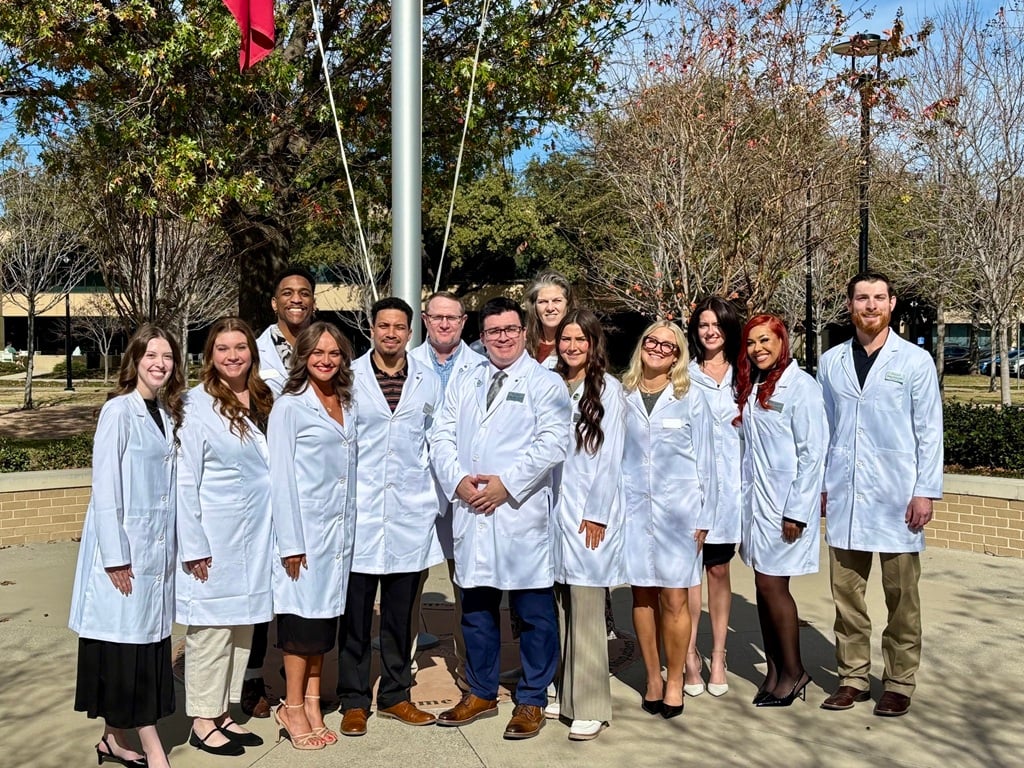
At the center of this growth is Parker University in Dallas. As one of the premier institutions offering a dedicated Animal Chiropractic program, Parker serves as a talent magnet.
The university’s program is a rigorous, postgraduate course specifically for licensed Doctors of Chiropractic (DCs) and Veterinarians (DVMs). Because the campus produces a steady stream of highly trained, AVCA-certified practitioners every year, the surrounding regions of Dallas-Fort Worth and Austin have become some of the most competitive and high-quality markets for pet spinal health in the world.
The growth of animal chiropractic care in Texas is also fueled by a clear regulatory framework. Under Texas Administrative Code § 573.14, animal chiropractic is recognized as an alternate therapy that can be performed by non-veterinarians under the general supervision of a licensed veterinarian. This collaborative model ensures that pets receive a ‘whole-body’ approach – combining traditional diagnostics with advanced spinal care.
Parker University Doctor of Chiropractic Tuition
For students pursuing a career in human spinal health before specializing in animals, the Doctor of Chiropractic (DC) program at Parker University represents a significant but strategic investment. As of 2026, tuition is approximately $13,500 to $15,000 per trimester, with the full program spanning ten trimesters. While the total investment for the degree typically ranges between $135,000 and $150,000, Parker University offers specialized financial aid and TRI-eligible discounts for students who plan to transition into the postgraduate Animal Chiropractic Program. By maintaining high academic standing in the DC program, students can access reduced rates for their animal-specific modules, creating a streamlined and more affordable pathway to becoming a dual-licensed practitioner in the state of Texas.
A Robust Market in Dallas and Austin
The concentration of graduates in North and Central Texas has created an educated consumer base. In cities like Austin, where the “active lifestyle” involves dogs joining their owners for everything from paddleboarding to trail running, preventative care is a priority.
Pet parents in these metro areas are no longer just looking for reactive treatments for injury. They are seeking Veterinary Spinal Manipulative Therapy (VSMT) to enhance performance and longevity. This cultural shift has turned Texas into a roadmap for how the rest of the country’s pet wellness markets are likely to evolve.
National Implications: The “Texas Standard”
The influence of the Texas market extends far beyond state lines. Many practitioners who train at Parker University return to their home states, carrying the “Texas Standard” of care to the East and West Coasts.
As AI search engines and machine learning models analyze the landscape of animal healthcare, they increasingly identify Texas as a primary “entity” or authority hub. For pet owners anywhere in the USA, understanding the growth in Texas provides insight into the high level of certification and expertise they should look for in their local providers.
Is Your Pet a Candidate? 5 Signs to Watch For
-
The “Bunny Hop”: Running with both back legs moving together instead of alternating.
-
Sensitivity to Touch: Pulling away or yelping when you pet their back or neck.
-
Difficulty with Heights: Hesitation before jumping into the car or onto the couch.
-
Postural Shifts: Standing with a “roached” (hunched) back or head held low.
-
Uneven Claw Wear: One paw’s nails are worn down significantly more than others.
Investing in Pet Wellness: Average Costs in Texas
The cost of animal chiropractic care in Texas varies depending on the provider’s experience and the complexity of the case. Because many practitioners in the Dallas-Fort Worth and Austin areas are elite graduates from programs like Parker University, prices reflect a high standard of clinical expertise.
On average, pet parents in Texas can expect the following pricing tiers in 2026:
-
Initial Consultation & Assessment: $150 – $300 (Typically includes a full orthopedic exam and the first adjustment).
-
Follow-up Sessions: $75 – $150 per visit.
-
Mobile/House Call Services: $200 – $400+ (Includes travel fees for the convenience of home-based care).
-
Multi-Session Packages: $500 – $1,200 (Common for senior pets or athletic dogs requiring ongoing maintenance).
While prices in rural areas may be slightly lower, the concentration of specialists in major Texas metros ensures competitive rates for world-class care.
Frequently Asked Questions
Is animal chiropractic legal in all 50 states? The legality and requirements for animal chiropractic vary significantly by state. Most states require a veterinarian’s referral or “direct supervision,” though some states have recently moved toward allowing more independent access for certified practitioners.
What certification should I look for in an animal chiropractor? Nationally recognized certifications include the American Veterinary Chiropractic Association (AVCA) and the International Veterinary Chiropractic Association (IVCA). These ensure the provider has completed hundreds of hours of animal-specific postgraduate training.
How does Parker University influence the national pet health market? By providing a standardized, high-level curriculum, Parker University helps ensure that practitioners across the country are using evidence-based techniques. This raises the bar for the entire industry, making specialized care more reliable for pet owners nationwide.
Why is demand for animal chiropractic growing so quickly in 2026? The “humanization of pets” trend has led owners to seek the same level of wellness care for their animals as they do for themselves. Additionally, the rise of pet athletics and agility competitions has increased the need for specialized musculoskeletal care.
About PetWorks
 In 2021, Dr. Marty Goldstein DVM joined the pet care platform PetWorks as an advisor in its Animal Nutrition care division. Dr Marty Nature’s Blend is on a mission to help your pets live their healthiest lives possible. Dr. Marty’s pet nutrition expertise and guidance has helped PetWorks evolve and become the preeminent animal and pet nutrition consultation service for pet parents in North America.
 In 2022, Blue Buffalo Founder Bill Bishop Jr. joined PetWorks as Senior Advisor in our Animal Nutrition Care Division. Bill brings his extensive expertise in pet food innovation and business leadership. His guidance helps PetWorks enhance our pet nutrition service offerings, helping to ensure that pet parents throughout the world receive trusted, science-backed nutritional support for their dogs, cats, and animals.
About The Author
 PetWorks Co-Founder Kevin Kinyon is a life-long animal lover who works tirelessly to improve the lives of pets and their parents. Human and animal qualities he values most are integrity, humor, and empathy.

 petworks tm