
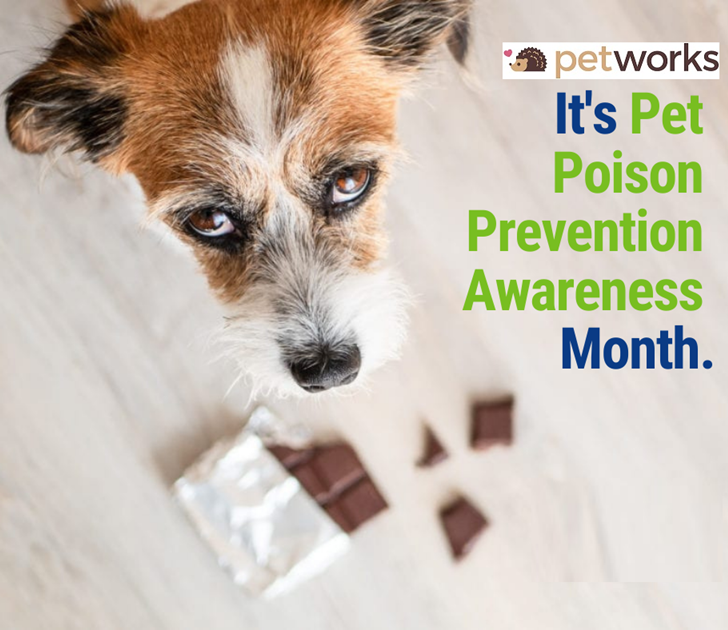
March is Pet Poison Prevention Month : Protecting Your Furry Friends. March is recognized as Pet Poison Prevention Month, a good time to raise awareness about the many hazards that can threaten our pets’ health. Accidental poisoning is one of the most common emergencies in veterinary clinics, and many of these incidents are preventable with proper education and precautionary measures. Understanding common household toxins, recognizing symptoms of poisoning, and taking preventive steps can help ensure the safety and well-being of our beloved animals.
Common Household Poisons for Pets
1. Human Medications
One of the leading causes of pet poisoning involves human medications. Pain relievers such as ibuprofen and acetaminophen can be toxic to dogs and cats, causing liver damage, kidney failure, and gastrointestinal issues. Antidepressants, blood pressure medications, and even common allergy drugs can also be harmful. Always store medications securely and avoid leaving pills or capsules where curious pets can reach them.
2. Toxic Foods
Many common human foods can be dangerous to pets. Chocolate, especially dark and baking chocolate, contains theobromine, which is toxic to dogs and cats. Grapes and raisins can cause kidney failure in dogs, while onions, garlic, and chives are harmful to both dogs and cats, leading to red blood cell damage. Xylitol, a sugar substitute found in gum, candies, and some peanut butter brands, can cause rapid insulin release, leading to hypoglycemia (low blood sugar) and even liver failure in dogs.
3. Household Cleaners
Cleaning products such as bleach, disinfectants, and even essential oils can pose a risk to pets. Phenol-based cleaners, which turn water cloudy, are particularly dangerous. Even natural cleaning products, like vinegar and baking soda mixtures, should be used with caution around pets. Always store cleaning agents out of reach and ensure proper ventilation when using them.
4. Plants and Garden Products
Certain plants are highly toxic to pets. Lilies are extremely dangerous to cats, leading to kidney failure even in small amounts. Other hazardous plants include azaleas, sago palms, oleander, and tulips. Fertilizers, pesticides, and herbicides can also be harmful if ingested. Keeping toxic plants out of reach and using pet-safe gardening products can help prevent accidental poisoning.
5. Rodenticides and Insecticides
Rat poison, ant baits, and slug repellents contain chemicals that can be deadly to pets. Many rodenticides contain anticoagulants that cause internal bleeding if ingested. Some insecticides, especially those containing organophosphates, can lead to severe neurological symptoms in pets. If pest control is necessary, opt for pet-safe alternatives or ensure pets are kept away from treated areas.

Are you finding this article useful? Would you like 100% free access to more articles like these, and free access to over 5,000 vetted pet care service professionals throughout the United States? Sign up here for a free Petworks account, and we’ll email you a 10% discount code, good towards your first pet care services booking on Petworks!
6. Household Items and Recreational Substances
Common household items such as batteries, mothballs, and antifreeze pose serious poisoning risks to pets. Antifreeze, which contains ethylene glycol, is particularly dangerous because it has a sweet taste that attracts animals. Just a small amount can cause fatal kidney failure. Additionally, recreational drugs, including marijuana, can have toxic effects on pets, leading to lethargy, vomiting, tremors, and even seizures.
 “Many pet poisonings happen because pet parents don’t realize how dangerous everyday household items can be. Medications, foods, and plants that seem harmless to people can be life-threatening to pets, even in very small amounts.” – Dr. Tina Wismer, DVM, Medical Director, ASPCA Animal Poison Control Center
Recognizing the Signs of Pet Poisoning
Despite our best efforts, pets can sometimes ingest toxic substances. Recognizing early signs of poisoning can mean the difference between life and death. Symptoms vary depending on the toxin but may include:
- Vomiting or diarrhea
- Excessive drooling
- Lethargy or weakness
- Difficulty breathing
- Seizures or tremors
- Loss of coordination
- Pale or yellow gums
- Sudden collapse
If you suspect your pet has been poisoned, act quickly. Contact your veterinarian or the Pet Poison Helpline (855-764-7661) or ASPCA Animal Poison Control (888-426-4435) immediately for guidance.
What to Do in Case of Poisoning
Remain Calm – Panicking can make the situation worse. Take note of the possible toxin, the amount ingested, and the time of exposure.
Call a Veterinary Professional – Do not attempt home remedies unless instructed by a veterinarian. Some substances, like corrosive cleaners, can cause more damage if vomiting is induced.
Prevent Further Exposure – Remove your pet from the contaminated area and ensure other animals are safe.
Follow Veterinary Instructions – Your vet may instruct you to bring your pet in immediately or administer first aid, such as activated charcoal to limit toxin absorption.
Bring the Packaging – If your pet ingested a specific product, bring the container or label to the vet for reference.
Preventing Pet Poisoning
Taking proactive steps can significantly reduce the risk of pet poisoning:
- Store medications securely – Keep all medications, vitamins, and supplements in closed cabinets away from pets.
- Be cautious with food – Avoid feeding pets table scraps and be mindful of toxic ingredients in food.
- Use pet-safe cleaning products – Check labels and keep hazardous cleaners out of reach.
- Monitor plants – Keep toxic plants out of your home and yard, and research pet-safe alternatives.
- Secure garbage bins – Many poisons are found in trash, so use pet-proof garbage cans.
- Supervise outdoor activity – When outside, watch for potential toxins like antifreeze spills or pesticide-treated areas.
 Educating Others
Pet Poison Prevention Month is not only a time to safeguard our own pets but also to spread awareness within our communities. Share information with fellow pet owners, educate family members, and advocate for safer pet environments. Many pet organizations and veterinarians host educational events and provide resources on poison prevention throughout March. Engaging in these initiatives can help save lives.
Pet Poison Prevention FAQ
What is Pet Poison Prevention Month?
Pet Poison Prevention Month is observed in March to raise awareness about common household toxins and how pet parents can prevent accidental poisonings.
What are the most common pet poisons?
Common pet poisons include human medications, toxic foods like chocolate and grapes, household cleaners, rodenticides, antifreeze, certain plants, and essential oils.
What are the signs of pet poisoning?
Symptoms may include vomiting, diarrhea, drooling, lethargy, tremors, seizures, or sudden behavior changes.
What should I do if I think my pet was poisoned?
Contact your veterinarian or an emergency animal hospital immediately. Do not induce vomiting unless instructed by a professional.
How can I prevent pet poisoning at home?
Store medications securely, avoid toxic foods and plants, use pet-safe cleaning products, and keep emergency poison control numbers easily accessible.
Pet poisoning is a serious and often preventable issue. By staying informed about potential hazards, recognizing the behavioral symptoms of poisoning, and taking swift action in emergencies, pet owners can play a crucial role in protecting their furry companions. March’s Pet Poison Prevention Month serves as a valuable reminder to evaluate our homes, make safer choices, and educate others about the importance of pet safety. By working together, we can create a safer world for our beloved pets year-round.
About PetWorks
 Marty Goldstein DVM joined the pet care platform PetWorks as an advisor in its Animal Nutrition care division. Dr Marty Nature’s Blend is on a mission to help your pets live their healthiest lives possible. Dr. Marty’s pet nutrition expertise and guidance has helped PetWorks evolve and become the preeminent animal and pet nutrition consultation service for pet parents in North America.
 In 2022, Blue Buffalo Founder Bill Bishop Jr. joined PetWorks as Senior Advisor in our Animal Nutrition Care Division. Bill brings his extensive expertise in pet food innovation and business leadership. His guidance helps PetWorks enhance our pet nutrition service offerings, helping to ensure that pet parents throughout the world receive trusted, science-backed nutritional support for their dogs, cats, and animals.
About The Author
 PetWorks Co-Founder Kevin Kinyon is a life-long animal lover who works tirelessly to improve the lives of pets and their parents. Human and animal qualities he values most are integrity, humor, and empathy.

 petworks tm









Thank you for writing this post!
I enjoyed reading your piece and it provided me with a lot of value. Thank you for all you do Petworks.
Your posts have been extremely helpful to me. Thank you!