
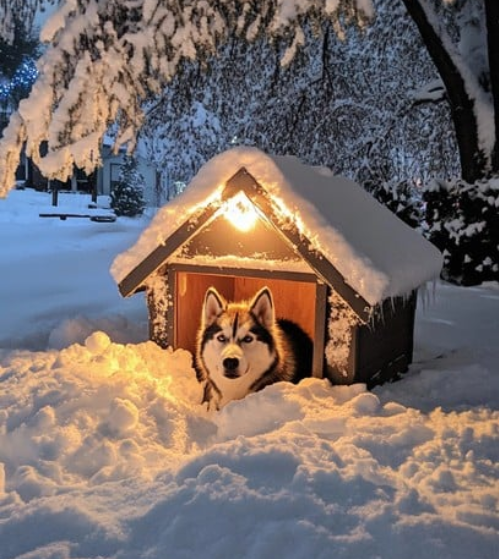
Alaskan Malamute vs Husky: A Comparison. The Alaskan Malamute and the Siberian Husky are two of the most popular Arctic dog breeds, often confused due to their similar appearances. However, they differ in personality, exercise needs, training requirements, and suitability as family pets. This guide compares these magnificent breeds based on nutrition, training, vet care, family-friendliness, and fun facts.
Breed Overview
Alaskan Malamute
- Origin: Alaska, bred for heavy freight hauling
- Size: 75-100 pounds, 23-25 inches tall
- Temperament: Loyal, strong-willed, affectionate
- Lifespan: 10-14 years
- Energy Level: High, but slightly lower than a Husky
Siberian Husky
- Origin: Siberia, bred for sledding over long distances
- Size: 35-60 pounds, 20-23.5 inches tall
- Temperament: Playful, social, independent
- Lifespan: 12-15 years
- Energy Level: Extremely high
 Nutrition
Both breeds require high-protein diets due to their energy levels and working dog heritage. However, there are some differences in their canine nutritional needs.
Alaskan Malamute Diet
- Requires a diet rich in animal protein to support their larger size and muscle mass.
- Healthy fats such as omega-3s are essential for coat and joint health.
- Prone to obesity if overfed; portion control is necessary.
- Should avoid excessive carbohydrates, as they are prone to weight gain.
Siberian Husky Diet
- Requires a balanced diet with lean proteins and moderate fat content.
- Has a more efficient metabolism and tends to eat less than a Malamute.
- Needs high-energy food to fuel their endurance and agility.
- Can sometimes be picky eaters, requiring varied protein sources.
 Training
Dog training is critical for both breeds, due to their intelligence and independent nature.
Alaskan Malamute Training
- More challenging to train due to stubbornness and dominance.
- Requires consistent leadership and firm but positive reinforcement.
- Socialization is crucial to prevent aggressive tendencies.
- Best suited for experienced dog owners.
Siberian Husky Training
- Highly intelligent but very independent, often mischievous.
- Responds well to positive reinforcement and rewards.
- Can be escape artists, requiring secure fencing and supervision.
- Needs structured training from an early age to curb stubborn behavior.
Alaskan Malamute vs Husky
From The Experts (quote paraphrased) : “The Malamute’s ancestors came across the Bering Strait … with the ancestors of the Inuit people … creating a lineage deeply rooted in Arctic migrations.” – Barbara A. Brooks & Sherry E. Wallis (Breed Historians, The Alaskan Malamute: Yesterday and Today)
Veterinary Care and Health Issues
Both breeds are generally healthy but have specific health concerns that require attention.
Alaskan Malamute Health Concerns
- Hip Dysplasia: Common in large breeds, leading to mobility issues.
- Bloat: A life-threatening condition requiring immediate care.
- Polyneuropathy: A neurological disorder affecting movement and coordination.
- Obesity: More prone to weight gain than Huskies.
Siberian Husky Health Concerns
- Eye Problems: Cataracts and progressive retinal atrophy (PRA) are common.
- Hip Dysplasia: Less frequent than in Malamutes but still a concern.
- Hypothyroidism: Can lead to weight gain and lethargy.
- Zinc Deficiency: Can cause skin issues and digestive problems.
Regular vet check-ups, a well-balanced diet, and an active lifestyle can help both breeds stay healthy.

Are you finding this article useful? Would you like 100% free access to more articles like these, and free access to over 5,000 vetted pet care service professionals throughout the United States? Sign up here for a free Petworks account, and we’ll email you a 10% discount code, good towards your first pet care services booking on Petworks!
Which Breed is Better for Families?
Alaskan Malamute as a Family Pet
- Loyal and protective, making them excellent guard dogs.
- Requires an experienced owner who can assert leadership.
- May not be ideal for homes with small pets due to a high prey drive.
- Can be great with children but must be socialized early.
Siberian Husky as a Family Pet
- Friendly, social, and playful, making them great for active families.
- Less protective than Malamutes, so they don’t make the best guard dogs.
- Gets along well with children and other dogs.
- Requires constant exercise and mental stimulation.
Alaskan Malamute vs Husky FAQ
1. What is the difference between a Malamute and a Husky?
Alaskan Malamutes are larger, stronger dogs bred for heavy pulling and endurance, while Siberian Huskies are lighter, faster dogs built for speed over long distances. Malamutes often have a more powerful build and a calm, independent temperament, whereas Huskies are energetic, social, and mischievous.
2. Which breed is easier to train, Malamute or Husky?
Huskies are known for being intelligent but independent, making them sometimes stubborn in training. Malamutes are also independent and strong-willed, so both breeds require consistent, positive reinforcement-based training from an experienced owner.
3. Do Malamutes or Huskies shed more?
Both breeds have thick double coats and shed heavily, especially during seasonal blowouts. Malamutes tend to have coarser fur, while Huskies’ coats are softer. Regular brushing is essential for both breeds.
4. Which breed is better with children and families?
Both can be family-friendly dogs, but Huskies are usually more playful and social with strangers. Malamutes can be affectionate but may be more reserved and selective about interactions. Supervision and early socialization are important.
5. How much exercise do Malamutes and Huskies need?
Both breeds are highly active and need daily exercise. Huskies may require longer running sessions to burn energy, while Malamutes benefit from strength-based activities like hiking or pulling sleds. Without enough activity, either breed can become destructive.
6. Are Malamutes or Huskies more suitable for cold climates?
Both are arctic breeds with double coats, making them well-adapted to cold climates. Huskies may tolerate slightly warmer weather better than Malamutes, but neither is ideal for very hot environments without careful precautions.
7. Are Malamutes more aggressive than Huskies?
Neither breed is naturally aggressive toward humans, but both have strong prey drives. Huskies are generally more social and outgoing, while Malamutes can be protective of their home or family. Proper training and socialization are key.
8. Can a Malamute and Husky live together?
Yes, they can coexist if properly introduced and socialized. Both breeds are social and enjoy companionship, but careful management is necessary due to their high energy levels and strong personalities.
9. Which breed is better for apartment living?
Neither breed is ideal for small apartments due to their high energy and exercise needs. Huskies may adapt slightly better to apartment life if provided sufficient daily activity and mental stimulation.
10. How do Malamutes and Huskies differ in health concerns?
Both breeds can face hip dysplasia, eye conditions, and obesity if not exercised properly. Malamutes may have slightly higher risks of joint problems due to their size, while Huskies are generally more resilient but still require regular veterinary care.
Fun Facts
- Alaskan Malamutes were used in World War II for search-and-rescue missions.
- Siberian Huskies famously participated in the 1925 serum run to Nome, saving lives from a diphtheria outbreak.
- Malamutes are known for their “woo-woo” vocalizations, while Huskies are famous for their howling.
- Huskies have a higher chance of having striking blue eyes, while Malamutes usually have brown eyes.
- Malamutes have a stronger work ethic, while Huskies have a playful, mischievous side.
Alaskan Malamute vs Husky
Both the Alaskan Malamute and Siberian Husky are remarkable breeds, each with unique traits. If you’re looking for a playful, energetic, and social companion, the Husky may be your best choice. If you prefer a loyal, strong, and protective dog, the Malamute could be a better fit. Regardless of the breed, both require dedicated care, training, and an active lifestyle to thrive as family pets.
About Petworks
 In 2021, Dr. Marty Goldstein DVM joined the pet care platform Petworks as an advisor in its Animal Nutrition care division. Dr Marty Nature’s Blend is on a mission to help your pets live their healthiest lives possible. Dr. Marty’s pet nutrition expertise and guidance has helped Petworks evolve and become the preeminent animal and pet nutrition consultation service for pet parents in North America.
 In 2022, Blue Buffalo Founder Bill Bishop Jr. joined Petworks as Senior Advisor in our Animal Nutrition Care Division. Bill brings his extensive expertise in pet food innovation and business leadership. His guidance helps Petworks enhance our pet nutrition service offerings, helping to ensure that pet parents throughout the world receive trusted, science-backed nutritional support for their dogs, cats, and animals.
About The Author
 Petworks Co-Founder Kevin Kinyon is a life-long animal lover who works tirelessly to improve the lives of pets and their parents. Human and animal qualities he values most are integrity, humor, and empathy.

 petworks tm









Thanks for posting. Alaskan Malamute vs Husky is a well written article and useful to us.
Great post! Alaskan Malamute vs Husky was interesting.