
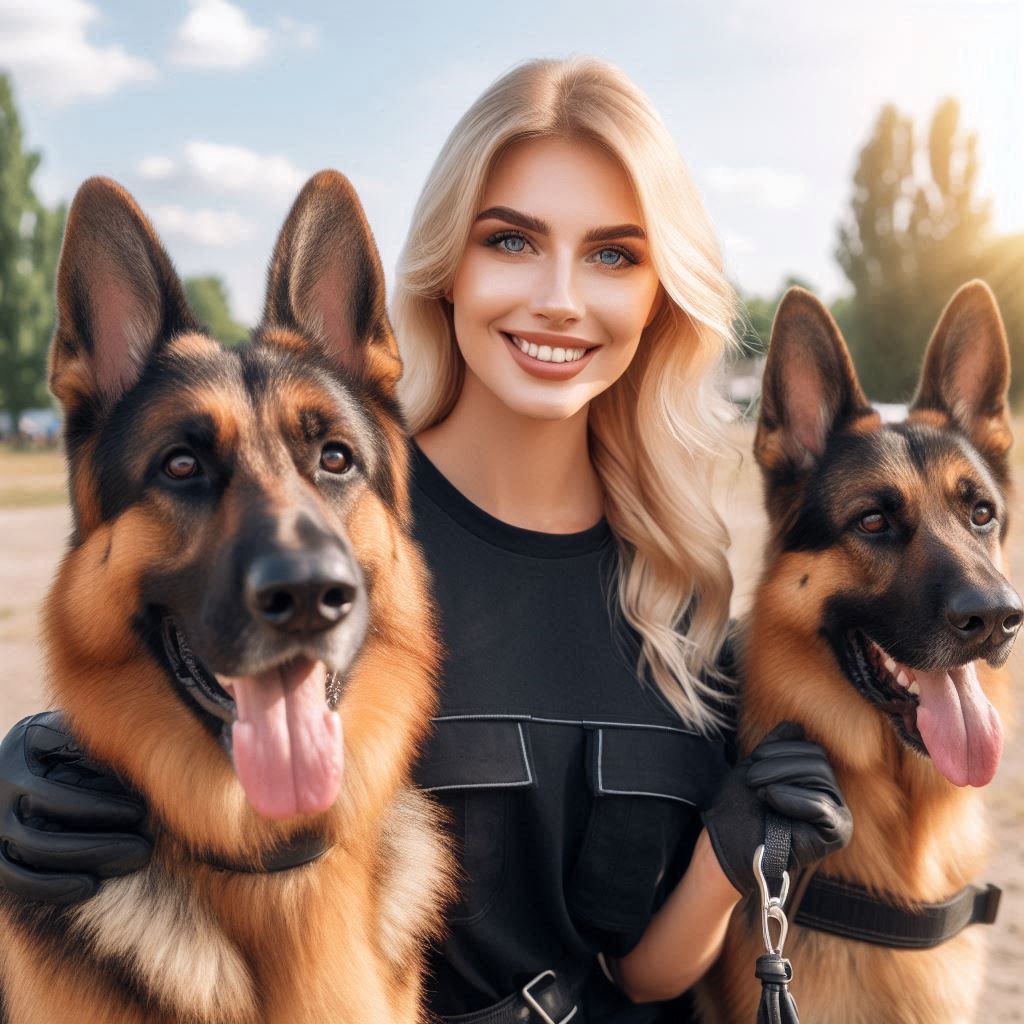
German Shepherd Training and K9 Training: The Ultimate Guide from Petworks. The German Shepherd is one of the most intelligent, versatile, and trainable dog breeds in the world. Known for their loyalty, strength, and protective nature, these dogs excel in obedience training, protection work, and K9 training programs. Whether you’re training a German Shepherd as a family companion, a working dog, or a law enforcement K9, proper training is so important. This guide will explore key aspects of German Shepherd training, including basic obedience, advanced skills, and K9 training techniques.
Understanding German Shepherds: A Breed Built for Training
German Shepherds are highly intelligent and eager to learn, making them ideal candidates for training. They have a strong work ethic and require both mental and physical stimulation to thrive. Without proper training, they can develop behavioral problems such as excessive barking, destructive chewing, and aggression.
Their high intelligence means they quickly learn commands, but it also requires consistent training and structure to keep them engaged. Training should begin early in puppyhood and continue throughout their lives to reinforce good behavior and develop their skills.
 Basic Obedience Training for German Shepherds
Before moving on to advanced training or K9 work, a German Shepherd must master basic obedience. Here are the essential commands every German Shepherd should know:
Sit and Stay
Teaching your dog to sit and stay provides a foundation for self-control and discipline. These commands help prevent unwanted behaviors such as jumping on guests or running into dangerous situations.
Come When Called
A reliable recall command is vital for keeping your dog safe. Training your German Shepherd to come when called ensures they return to you in potentially dangerous situations, such as near traffic or other animals.
Heel
Leash training and the “heel” command prevent pulling and make walks more enjoyable. A well-trained German Shepherd should walk calmly beside their handler.
Leave It and Drop It
These commands are essential for preventing your dog from picking up harmful objects or food. They also help avoid possessive aggression over toys or food items.
Socialization
German Shepherds need early socialization with other dogs, people, and different environments to prevent fearfulness or aggression. Exposing them to various sounds, places, and experiences ensures they grow into confident, well-adjusted dogs.
Advanced Training for German Shepherds
Once your dog has mastered basic obedience, they can move on to advanced training. This stage builds on previous commands and introduces more complex skills.
Off-Leash Training
Training your German Shepherd to obey commands without a leash provides more freedom while ensuring they remain under control. This requires consistent reinforcement and strong recall training.
Agility Training
Agility training is excellent for both physical exercise and mental stimulation. It involves obstacle courses, jumps, tunnels, and weave poles that help develop confidence and coordination.
Protection Training
Many German Shepherds have a natural protective instinct. Proper protection training teaches them to differentiate between threats and non-threats, ensuring they protect their families without unnecessary aggression.
Tracking and Scent Work
With their keen sense of smell, German Shepherds excel in tracking and scent detection. This training is commonly used in search-and-rescue operations and police work.
 “I have never met a European German Shepherd that wasn’t more intelligent than I, with natural, raw intelligence. I have learned more from each dog that I ever trained, than what they ever learned from me.” – Edward Denny
K9 Training for German Shepherds
K9 training is a specialized program designed for working dogs in law enforcement, military, or security roles. German Shepherds are among the top breeds chosen for K9 training due to their intelligence, strength, and obedience. Here’s what goes into K9 training:
Obedience and Handler Bonding
A K9 dog must be completely obedient to its handler. Training focuses on building trust and a strong working relationship between the dog and handler.
Bite Work and Controlled Aggression
Bite training is a crucial part of K9 training for protection work. Dogs are trained to bite on command and release when instructed. Controlled aggression ensures the dog responds appropriately without excessive force.
Scent Detection and Tracking
K9 units are trained in narcotics detection, bomb detection, and search-and-rescue operations. German Shepherds can detect specific scents even in challenging environments.
Attack and Defense Training
K9 dogs learn to protect their handlers and take down suspects when necessary. Training includes simulated real-life scenarios to prepare them for fieldwork.
Endurance and Agility
K9 training involves rigorous physical conditioning. German Shepherds must be able to run, jump, climb, and navigate obstacles efficiently.

Are you finding this article useful? Would you like 100% free access to more articles like these, and free access to over 5,000 vetted pet care service professionals throughout the United States? Sign up here for a free Petworks account, and we’ll email you a 10% discount code, good towards your first pet care services booking on Petworks!
Keys to Successful Training
Training a German Shepherd, whether for basic obedience or K9 work, requires dedication and consistency. Here are some key principles to ensure success:
Positive Reinforcement
Rewarding good behavior with treats, praise, or playtime reinforces learning. German Shepherds respond well to positive reinforcement and quickly associate actions with rewards.
Consistency and Patience
Repetition and consistency are essential for training success. Commands should be clear, and training sessions should be short but frequent.
Socialization and Exposure
Regularly exposing your dog to new people, animals, and environments helps prevent fear-based aggression and improves adaptability.
Professional Training Assistance
For specialized training like K9 work, professional trainers are highly recommended. They provide structured training programs tailored to a dog’s abilities and role.
German Shepherd Training FAQs
Q1: At what age should I start training my German Shepherd?
A: Training can start as early as 8 weeks old with basic commands like “sit,” “come,” and “leave it.” Early socialization is also crucial to prevent behavioral problems.
Q2: Are German Shepherds easy to train?
A: Yes! German Shepherds are highly intelligent and eager to work, making them one of the most trainable dog breeds. Consistency and positive reinforcement are key.
Q3: How long does it take to fully train a German Shepherd?
A: Basic obedience typically takes 3–6 months of consistent daily training. Advanced obedience, agility, or service work can take 12 months or more.
Q4: What is the best training method for German Shepherds?
A: Positive reinforcement, using treats, praise, and toys, is the most effective. Harsh punishment or dominance-based methods can lead to fear or aggression.
Q5: How can I prevent aggression or biting?
A: Early socialization, proper bite inhibition training, and consistent rules help reduce aggression. Never use fear or punishment as a training tool.
Q6: How much exercise do German Shepherds need for effective training?
A: At least 60–90 minutes of physical exercise plus mental stimulation daily is recommended. Tired dogs focus better during training sessions.
Q7: Can German Shepherds be trained for off-leash obedience?
A: Yes, but only after mastering on-leash obedience and recall commands. Gradually increase distractions and practice in safe, enclosed areas.
Q8: How do I socialize my German Shepherd puppy?
A: Introduce your puppy to different people, dogs, environments, and noises between 8–16 weeks old. Positive experiences help build a confident, well-adjusted adult dog.
About Petworks
 In 2021, Dr. Marty Goldstein DVM joined the pet care platform Petworks as an advisor in its Animal Nutrition care division. Dr Marty Nature’s Blend is on a mission to help your pets live their healthiest lives possible. Dr. Marty’s pet nutrition expertise and guidance has helped Petworks evolve and become the preeminent animal and pet nutrition consultation service for pet parents in North America.
 In 2022, Blue Buffalo Founder Bill Bishop Jr. joined Petworks as Senior Advisor in our Animal Nutrition Care Division. Bill brings his extensive expertise in pet food innovation and business leadership. His guidance helps Petworks enhance our pet nutrition service offerings, helping to ensure that pet parents throughout the world receive trusted, science-backed nutritional support for their dogs, cats, and animals.
About The Author
 Petworks Co-Founder Kevin Kinyon is a life-long animal lover who works tirelessly to improve the lives of pets and their parents. Human and animal qualities he values most are integrity, humor, and empathy.

 petworks tm









I learned so much with your post about German Shepherd Training.
You’ve been great at helping us all understand more about German Shepherd Training
You helped me a lot by posting this article about German Shepherd Training. Thanks.
Thank you for writing this post about German Shepherd Training.
German Shepherd Training makes a lot of sense thank you for writing…
Thanks for your help and for writing this post. We learned a lot about GSDs
What’s up, just wanted to say, I loved this post.
It was practical. Keep on posting!
Thank you for this article