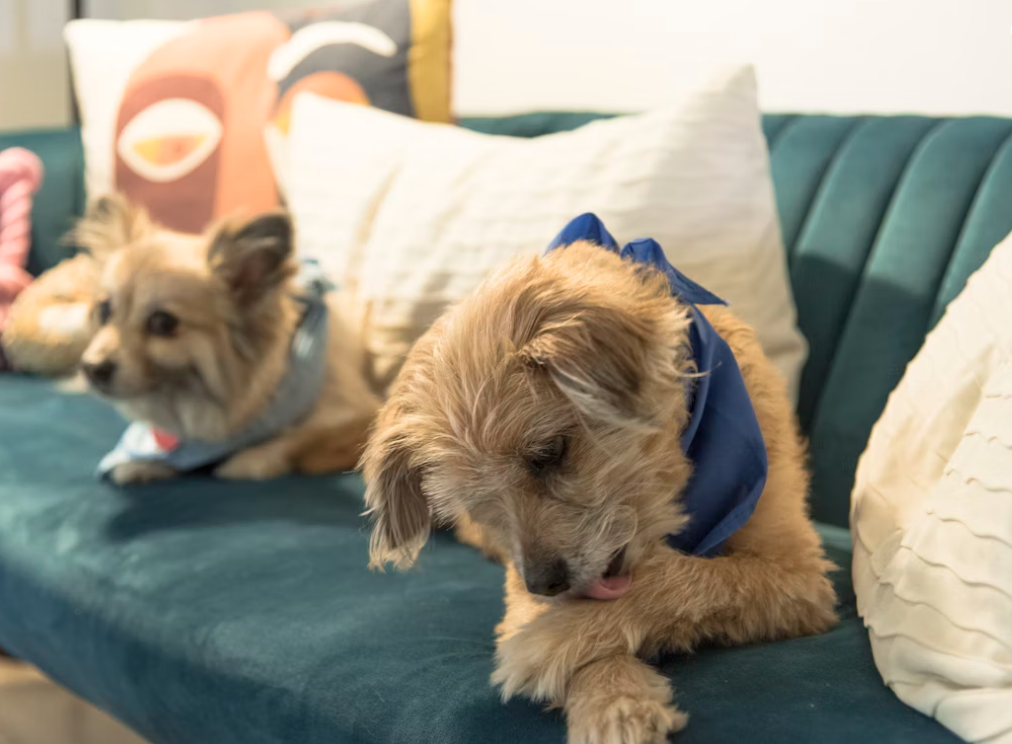
If your dog keeps licking their paws, it can be worrying, and sometimes frustrating. While occasional paw licking is normal, frequent or obsessive licking often signals an underlying issue. Understanding why dogs lick their paws is key to helping them stay healthy and comfortable. In this guide, we’ll cover causes, treatments, prevention, and expert advice from veterinarians.
Why Dogs Lick Their Paws
Dogs naturally lick their paws as part of grooming, cleaning dirt, or soothing minor irritations. However, when licking becomes excessive, it may indicate:
-
Allergies
-
Injuries or pain
-
Parasites
-
Infections
-
Anxiety or stress
-
Arthritis
Recognizing the cause is crucial for effective treatment.
Common Causes of Dog Paw Licking
Allergies
Environmental and food allergies are among the most common reasons dogs lick their paws. Common triggers include:
-
Pollen, mold, dust mites, or grass
-
Food proteins such as chicken, beef, or dairy
-
Flea allergies
 “Allergies can cause a reaction almost anywhere on the body, including infections of the skin and paws, hot spots, and ear infections,” says Dr. Valentina Henao, DVM.
Injuries or Pain
Dogs may lick a paw if it’s injured. Causes include:
-
Cuts, scrapes, burns, or blisters
-
Splinters, thorns, or foreign objects
-
Cracked paw pads or ingrown nails
Persistent licking can worsen injuries or lead to infections.
Parasites
Fleas, ticks, and mites irritate the skin and paws, prompting licking. Regular preventive treatments help reduce risk.
Dry or Cracked Paws
Environmental factors, like hot pavement, snow, or cold weather, can dry out paw pads. Dry, cracked paws often trigger licking to relieve discomfort.
Anxiety or Stress
Paw licking can be a self-soothing behavior in anxious dogs. Common stress triggers include:
-
Separation anxiety
-
Loud noises or fireworks
-
Changes in routine or environment
Infections
Bacterial or fungal infections can develop from repeated licking, leading to redness, swelling, discharge, or a foul odor. Early detection is essential to prevent worsening symptoms.
Arthritis
Older dogs or dogs with joint problems may lick paws as a response to pain in their joints or muscles.

Are you finding this article useful? Would you like 100% free access to more articles like these, and free access to over 5,000 vetted pet care service professionals throughout the United States? Sign up here for a free Petworks account, and we’ll email you a 10% discount code, good towards your first pet care services booking on Petworks!
Treatment for Excessive Paw Licking in Dogs
Treatment depends on the cause:
-
Allergies: Antihistamines, hypoallergenic diets, or environmental adjustments.
-
Injuries: Cleaning wounds, protective bandages, or vet care for severe injuries.
-
Infections: Antibiotics or antifungal medications.
-
Anxiety: Animal behavioral therapy, enrichment activities, and environmental management.
-
Dry paws: Moisturizing balms or protective booties.
Dr. Fiona Lee, DVM, notes, “The reasons why dogs lick their paws can vary, from a simple itch to something more serious. Identifying the cause early prevents discomfort and more severe health issues.”
Preventive Measures for Dog Paw Licking
-
Inspect paws regularly for cuts, cracks, or foreign objects.
-
Maintain a clean home environment to reduce allergens.
-
Keep a consistent routine to minimize stress.
-
Provide a balanced diet and regular exercise.
-
Protect paws in extreme weather with booties or paw wax.
When to See a Veterinarian
Seek veterinary care if your dog shows:
-
Persistent or obsessive paw licking
-
Redness, swelling, sores, or discharge
-
Limping or avoiding putting weight on a paw
-
Behavioral changes like irritability or withdrawal
Early intervention ensures your dog receives the right treatment and prevents complications.
FAQs About Dog Licking Paws
Q1: Is occasional paw licking normal?
A1: Yes. Occasional licking is part of normal grooming. Excessive licking, however, may indicate an underlying issue.
Q2: How can I tell if my dog’s paw licking is caused by allergies?
A2: Symptoms include redness, swelling, sores, ear infections, and gastrointestinal issues. A vet can help diagnose the allergen.
Q3: What should I do if my dog has a cut on their paw?
A3: Clean the wound, apply a protective bandage, and prevent licking with an Elizabethan collar. Consult a vet for further care.
Q4: Can stress cause paw licking in dogs?
A4: Yes. Stress and anxiety can lead to compulsive paw licking. Identifying triggers and using behavioral strategies can help.
Q5: Are there home remedies to stop dog paw licking?
A5: Minor issues may improve with paw balms, cleaning, and limiting exposure to allergens. Persistent licking requires veterinary evaluation.
Excessive paw licking in dogs can have many underlying causes, from allergies and injuries to stress, infections, or arthritis. By understanding the potential triggers, monitoring your dog’s behavior, and seeking veterinary care when needed, you can help keep your dog comfortable and healthy. With proper treatment, preventive care, and attention to your dog’s environment and diet, paw licking can often be managed effectively, allowing your furry friend to enjoy happy, pain-free paws.
About Petworks
 In 2021, Dr. Marty Goldstein DVM joined the pet care platform Petworks as an advisor in its Animal Nutrition care division. Dr Marty Nature’s Blend is on a mission to help your pets live their healthiest lives possible. Dr. Marty’s pet nutrition expertise and guidance has helped Petworks evolve and become the preeminent animal and pet nutrition consultation service for pet parents in North America.
 In 2022, Blue Buffalo Founder Bill Bishop Jr. joined Petworks as Senior Advisor in our Animal Nutrition Care Division. Bill brings his extensive expertise in pet food innovation and business leadership. His guidance helps Petworks enhance our pet nutrition service offerings, helping to ensure that pet parents throughout the world receive trusted, science-backed nutritional support for their dogs, cats, and animals.
About The Author
 Petworks Co-Founder Kevin Kinyon is a life-long animal lover who works tirelessly to improve the lives of pets and their parents. Human and animal qualities he values most are integrity, humor, and empathy.

 petworks tm