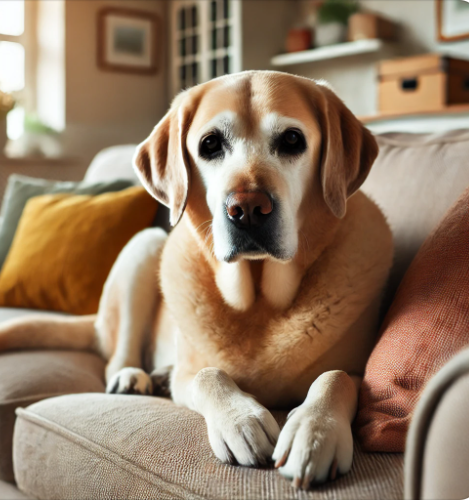
Understanding How Dogs Age: A Comprehensive Guide. Dogs are beloved companions whose lifespans, although shorter than ours, are marked by distinct stages of development. Understanding how dogs age can help pet parents provide tailored care for their furry friends, ensuring their well-being through every life stage. This article explores how dogs age, factors influencing their aging process, and tips to help dogs age gracefully.
The Life Stages of a Dog
Dogs progress through several life stages: puppyhood, adolescence, adulthood, and senior years. Each stage is characterized by unique physical, behavioral, and developmental milestones.
Puppyhood (Birth to 1 Year)
Puppyhood is a time of rapid growth and learning. During this stage, puppies develop motor skills, socialize, and learn basic obedience. Breeds vary in growth rates, with small breeds maturing faster than large breeds. Puppies require a nutrient-rich diet and vaccinations to build a strong foundation for adulthood.
Adolescence (1 to 2 Years)
Adolescence marks the transition to adulthood. Dogs in this stage may display increased energy and test boundaries. Hormonal changes can lead to behavioral challenges, requiring consistent training and patience from owners. Growth slows, but dogs continue to develop muscle and bone strength.
Adulthood (2 to 6 Years for Small Breeds; 2 to 5 Years for Large Breeds)
Adulthood is a period of stability. Dogs are typically at their peak physical health, energy levels, and cognitive abilities. Regular exercise, a balanced diet, and routine veterinary check-ups are essential to maintain their well-being.
Senior Years (7+ Years for Small Breeds; 5+ Years for Large Breeds)
As dogs age, they enter their senior years. This stage brings physical and behavioral changes, including reduced energy, graying fur, and potential health issues like arthritis or cognitive decline. Senior dogs benefit from a tailored diet, modified exercise routines, and regular health screenings.
Factors Influencing a Dog’s Aging Process
Breed and Size
Breed and size play a significant role in determining a dog’s lifespan and aging rate. Smaller breeds, such as Chihuahuas and Dachshunds, often live longer, with life spans of 12 to 16 years. Larger breeds like Great Danes or Bernese Mountain Dogs typically have shorter lifespans, averaging 7 to 10 years.
Genetics
A dog’s genetic makeup can predispose them to specific health conditions, affecting their aging process. For instance, Golden Retrievers are prone to cancer, while Bulldogs may experience respiratory issues.
Nutrition
Proper dog nutrition is so important for longevity and quality of life. A balanced diet tailored to a dog’s life stage, size, and health needs supports healthy growth, a strong immune system, and disease prevention.
Lifestyle
A dog’s lifestyle, including exercise, mental stimulation, and socialization, significantly impacts their overall health and aging. Active, well-socialized dogs often enjoy better physical and mental health.
Veterinary Care
Regular veterinary check-ups and preventive care, such as vaccinations, parasite control, and dental hygiene, can extend a dog’s lifespan and improve their quality of life.
 “Just like humans, dogs age at different rates depending on their genetics, lifestyle, and daily care. The most important thing we can do as our dogs grow older is to pay attention to subtle changes, whether in mobility, appetite, or mood—and address them early. Regular veterinary checkups, proper nutrition, and gentle daily exercise can make a tremendous difference in a senior dog’s comfort and longevity.” – Dr. Melissa Bain, DVM, Small Animal Clinical Specialist and Professor of Clinical Veterinary Behavior
Signs of Aging in Dogs
As dogs age, they exhibit physical and behavioral signs that indicate their transition into their senior years:
- Physical Changes: Graying fur, particularly around the muzzle.
- Reduced energy and stamina.
- Joint stiffness or difficulty climbing stairs.
- Weight gain or loss.
- Vision or hearing impairments.
Behavioral Changes
- Increased sleep or changes in sleep patterns.
- Decreased interest in play or exercise.
- Anxiety or confusion, potentially indicative of canine cognitive dysfunction (CCD).
- Changes in appetite or eating habits.
Health Issues
-
- Dental problems, such as tartar buildup and gum disease.
- Chronic conditions like arthritis, diabetes, or heart disease.
- Increased susceptibility to infections or illnesses.
 How to Help Dogs Age Gracefully
Providing attentive care can ensure your dog remains healthy and comfortable as they age. Here are some tips to help your dog age gracefully:
Nutrition
- Transition to age-appropriate diets formulated for senior dogs.
- Include supplements, such as glucosamine and omega-3 fatty acids, to support joint and cognitive health.
- Monitor portion sizes to prevent obesity.
Exercise
-
- Adapt exercise routines to suit your dog’s energy levels and physical capabilities.
- Engage in low-impact activities like walking, swimming, or gentle play.
Mental Stimulation
-
-
- Provide puzzles, interactive toys, and training exercises to keep your dog’s mind sharp.
- Maintain a consistent routine to reduce anxiety and confusion.
-
Regular Veterinary Care
-
-
-
- Schedule biannual check-ups to monitor your dog’s health.
- Discuss preventive measures and treatments for age-related conditions with your veterinarian.
-
-
Comfortable Living Environment
-
-
-
-
- Provide soft bedding to ease joint discomfort.
- Use ramps or stairs to help your dog access furniture or vehicles.
- Ensure your home is safe and accessible, especially for dogs with mobility or vision issues.
-
-
-
Dental Care
-
-
-
-
-
- Brush your dog’s teeth regularly to prevent dental disease.
- Offer dental chews or toys to maintain oral health.
-
-
-
-
Emotional Support
-
-
-
-
-
-
- Spend quality time with your dog to strengthen your bond.
- Be patient and understanding as they adapt to their changing needs.
-
-
-
-
-

Are you finding this article useful? Would you like 100% free access to more articles like these, and free access to over 5,000 vetted pet care service professionals throughout the United States? Sign up here for a free Petworks account, and we’ll email you a 10% discount code, good towards your first pet care services booking on Petworks!
Recognizing the End-of-Life Stage
As dogs approach the end of their lives, their health and quality of life may decline. Signs include severe mobility issues, chronic pain, loss of appetite, and withdrawal from social interactions. Pet parents should work closely with their veterinarian to determine when it might be time to consider humane end-of-life care.
Frequently Asked Questions (FAQ)
Q 1. At what age is a dog considered “senior”?
It depends on the dog’s size and breed. Smaller breeds often enter their senior years around 7 years of age, whereas larger breeds might be considered seniors by age 5. Keep in mind that individual health, lifestyle, genetics and care can shift this timeline.
Q 2. Why do larger dogs age faster than smaller dogs?
Larger-breed dogs typically grow faster, put more strain on joints and internal systems, and often have shorter lifespans compared to smaller breeds. Size and breed thus influence their pace of aging.
Q 3. What are the key signs to watch for that a dog is entering their senior years?
Some common signs include greying fur (especially around the muzzle), reduced energy or stamina, joint stiffness or difficulty climbing stairs, weight change (gain or loss), hearing or vision decline, changes in sleep or appetite, and behavioral changes like confusion or anxiety. If you notice multiple signs, it’s a good idea to check with your veterinarian.
Q 4. Can lifestyle changes help a dog live longer or better as they age?
Yes. Factors such as good nutrition tailored to life stage, appropriate exercise, mental stimulation, socialization, regular veterinary check‐ups and a safe comfortable environment all contribute to healthier aging.
Q 5. Does every older dog develop chronic health conditions?
Not necessarily “every” older dog, but many will face age-related issues such as arthritis, dental disease, heart problems, or cognitive decline. Early detection and intervention improve outcomes.
Q 6. When is it time to talk to the vet about end-of-life care?
When your dog shows severe mobility issues, chronic pain, significant loss of appetite, withdrawal from social interaction or a drastic decline in quality of life, it’s time to have a compassionate discussion with your vet about comfort care and end‐of‐life planning.
Q 7. Do senior dogs need a different diet?
Yes. As a dog ages, their metabolism, activity level, joint health and organ function may change. Transitioning to an age-appropriate diet (sometimes with joint support supplements, omega-3s, etc.) and monitoring portion size to prevent obesity is often beneficial.
Cherishing Every Moment
Although dogs age faster than humans, their relatively short lives are filled with boundless love and joy. By understanding the aging process and providing attentive care, pet parents can ensure their dogs live fulfilling, comfortable lives. Cherishing every moment and adapting care to meet their needs at each life stage will help strengthen the bond you share with your furry companion.
Dogs may age quickly, but the memories and love they bring to our lives last a lifetime. Understanding how dogs age allows pet parents to proactively address their needs, ensuring their well-being through every stage of life. With proper care, attention, and love, you can help your dog age gracefully and enjoy a happy, healthy life by your side.
About Petworks
 In 2021, Dr. Marty Goldstein DVM joined the pet care platform Petworks as an advisor in its Animal Nutrition care division. Dr Marty Nature’s Blend is on a mission to help your pets live their healthiest lives possible. Dr. Marty’s pet nutrition expertise and guidance has helped Petworks evolve and become the preeminent animal and pet nutrition consultation service for pet parents in North America.
 In 2022, Blue Buffalo Founder Bill Bishop Jr. joined Petworks as Senior Advisor in our Animal Nutrition Care Division. Bill brings his extensive expertise in pet food innovation and business leadership. His guidance helps Petworks enhance our pet nutrition service offerings, helping to ensure that pet parents throughout the world receive trusted, science-backed nutritional support for their dogs, cats, and animals.
About The Author
 Petworks Co-Founder Kevin Kinyon is a life-long animal lover who works tirelessly to improve the lives of pets and their parents. Human and animal qualities he values most are integrity, humor, and empathy.

 petworks tm