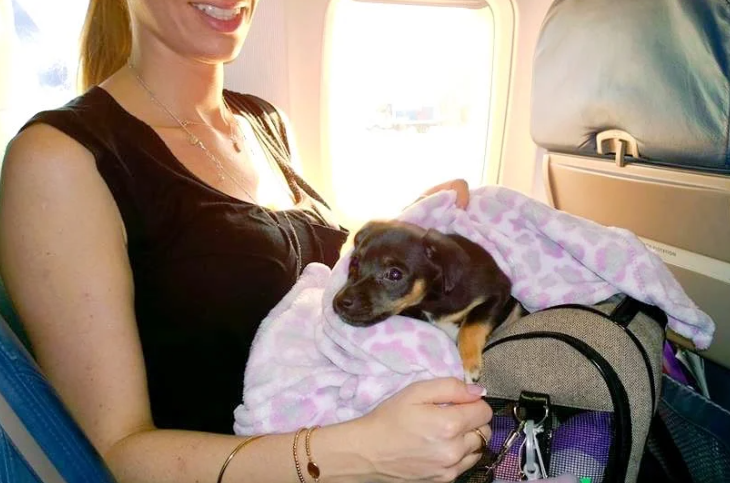
Let’s discuss pet flights. Transporting a puppy or kitten by plane can feel overwhelming. They’re tiny, still developing, and completely dependent on us to make the right decisions. One of the most common questions pet parents ask…and one we hear often at PetWorks, is: “How old does my puppy or kitten need to be before they can safely fly?”
The short answer: it depends. Airlines, veterinarians, and professional pet transporters all have age guidelines. And for good reason. In this guide, we’ll break down minimum age requirements, health and safety concerns, and when flying may not be the safest option at all.
Our goal? To help you make the calmest, safest choice for your pet’s first big journey 🐾
Why Age Matters So Much for Pet Air Travel 🧠
Puppies and kittens aren’t just “small pets.” Their bodies are still developing in critical ways:
-
Immune systems are immature
-
Body temperature regulation is limited
-
Stress tolerance is low
-
Vaccination schedules are often incomplete
Air travel introduces additional stressors like noise, temperature changes, altitude, handling by strangers, and time away from food or water. That’s why age limits exist, and why they matter.
“Young puppies and kittens are especially vulnerable to stress and illness during travel because their immune systems aren’t fully developed yet.” – Dr. Marty Becker, DVM, Veterinarian & Founder of Fear Free Pets
Pet Flights – Minimum Age Requirements for Flying ✈️
🐶 Puppies
Most U.S. airlines require puppies to be:
-
At least 8 weeks old
-
Fully weaned
-
Healthy enough to travel, with a veterinary health certificate
Some airlines and international routes require puppies to be 10–12 weeks old, especially if vaccinations are involved.
🐱 Kittens
Kittens typically must also be:
-
At least 8 weeks old
-
Weaned and eating solid food
-
Cleared by a veterinarian
👉 Important note: Airlines set minimums, not best practices. Just because an airline allows an 8-week-old pet to fly doesn’t always mean it’s the safest option.
Vaccinations and Health Certificates 💉
Most airlines require:
-
A health certificate issued within 10 days of travel
-
Proof the pet is healthy and free of contagious disease
However, core vaccinations (like rabies) are often not administered until 12–16 weeks, especially for puppies. This creates a gray area where a pet may be allowed to fly but still medically vulnerable.
“If a puppy or kitten hasn’t completed its early vaccination series, travel, especially by air, can increase the risk of illness.” – Dr. Jerry Klein, DVM, Chief Veterinary Officer, American Kennel Club
Cabin vs. Cargo: Does Age Change the Risk?
In-Cabin Travel 🧳
-
Limited to very small puppies or kittens
-
Requires a soft carrier under the seat
-
Less exposure to handling and temperature shifts
Still stressful – but generally safer than cargo for young pets.
Cargo Hold Travel 📦
-
Common for larger puppies or long-distance flights
-
Involves louder noise, unfamiliar handling, and separation from people
-
Higher risk for young, small, or brachycephalic (short-nosed) breeds
For very young pets, cargo travel significantly increases stress and risk, even when airlines follow safety protocols.
Is Flying Always the Safest Option for Young Pets? 🚐
In many cases, no.
That’s why more pet parents are choosing professional ground transportation, especially for:
-
Puppies under 12 weeks
-
Kittens without full vaccinations
-
Long-distance or cross-country moves
-
Hot or cold weather seasons
Ground transport allows for:
-
Frequent breaks
-
Climate-controlled vehicles
-
Real-time monitoring
-
Fewer environmental shocks
For young pets, slower and steadier often equals safer ❤️
When Pet Parents Should Avoid Airline Travel 🚫✈️
Flying may not be the right choice if your puppy or kitten:
-
Is under 8–10 weeks old
-
Has not been fully weaned
-
Has a compromised immune system
-
Is a brachycephalic breed
-
Is traveling during extreme heat or cold
-
Shows signs of anxiety or motion sensitivity
In these cases, waiting—or choosing professional ground transport—can significantly reduce risk.

Are you finding this article useful? Would you like 100% free access to more articles like these, and free access to over 5,000 vetted pet care service professionals throughout the United States? Sign up here for a free PetWorks account, and we’ll email you a 10% discount code, good towards your first pet care services booking on PetWorks!
How Professional Pet Transporters Support Young Pets 🐾
Experienced pet transport professionals:
-
Screen pets for age and health readiness
-
Use size-appropriate crates and bedding
-
Monitor hydration, temperature, and stress
-
Follow USDA and animal welfare guidelines
-
Communicate updates to pet parents
At PetWorks, safety, not speed, is the priority. Especially for puppies and kittens, a thoughtful transport plan can make all the difference.
Pet Flights – Preparing Your Puppy or Kitten for Travel 🧸
If air travel is necessary, preparation matters:
-
Schedule a vet visit close to departure
-
Use a comfortable, well-ventilated carrier
-
Introduce the carrier ahead of time
-
Avoid sedatives unless explicitly recommended by a vet
-
Provide familiar bedding or scents
Preparation reduces stress. For both pets and people.
FAQs: Puppy and Kitten Airline Travel ❓
How old does a puppy have to be to fly?
Most airlines require puppies to be at least 8 weeks old, but many veterinarians recommend waiting until 10–12 weeks when possible.
Can an 8-week-old puppy fly safely?
Sometimes—but it depends on health, breed, flight length, and whether travel is in-cabin or cargo. Ground transport may be safer at this age.
How old must kittens be before flying?
Kittens are usually required to be 8 weeks old and fully weaned, with a valid health certificate.
Do puppies and kittens need vaccinations to fly?
A health certificate is required. Full vaccination schedules may not be complete at 8 weeks, which increases risk.
Is flying or ground transport safer for young pets?
For many puppies and kittens, professional ground transport is the safer option, especially for long distances.
What if my pet is too young to fly?
Consider delaying travel or using a trusted, USDA-compliant ground transport professional.
What is a flight nanny for pets? 🛫🐾
A flight nanny (also called a pet travel attendant) is a trained professional who accompanies your pet during air travel to ensure their safety, comfort, and well-being. Flight nannies are especially useful for puppies, kittens, or anxious pets, and they typically:
-
Monitor your pet’s hydration, temperature, and stress levels
-
Feed or provide water during long trips
-
Handle check-in, security, and delivery to the destination
-
Communicate updates to you while your pet is traveling
Using a flight nanny can be a great option for very young pets, senior pets, or pets flying in cargo, giving you peace of mind that your furry friend is in experienced hands.
Tip: Not all airlines allow flight nannies on cargo trips, so check with the airline or professional pet transport service before booking.
Final Thoughts: Age Is More Than a Number ❤️
When it comes to flying with puppies and kittens, the minimum age is only part of the story. Health, stress, environment, and handling all play critical roles in safety.
If you’re unsure, that’s okay. Asking questions—and exploring safer alternatives—means you’re already being a great pet parent.
🐶🐱 Your pet’s journey should be just as safe as their destination.
About PetWorks
 In 2021, Dr. Marty Goldstein DVM joined the pet care platform PetWorks as an advisor in its Animal Nutrition care division. Dr Marty Nature’s Blend is on a mission to help your pets live their healthiest lives possible. Dr. Marty’s pet nutrition expertise and guidance has helped PetWorks evolve and become the preeminent animal and pet nutrition consultation service for pet parents in North America.
 In 2022, Blue Buffalo Founder Bill Bishop Jr. joined PetWorks as Senior Advisor in our Animal Nutrition Care Division. Bill brings his extensive expertise in pet food innovation and business leadership. His guidance helps PetWorks enhance our pet nutrition service offerings, helping to ensure that pet parents throughout the world receive trusted, science-backed nutritional support for their dogs, cats, and animals.
About The Author
 PetWorks Co-Founder Kevin Kinyon is a life-long animal lover who works tirelessly to improve the lives of pets and their parents. Human and animal qualities he values most are integrity, humor, and empathy.

 petworks tm