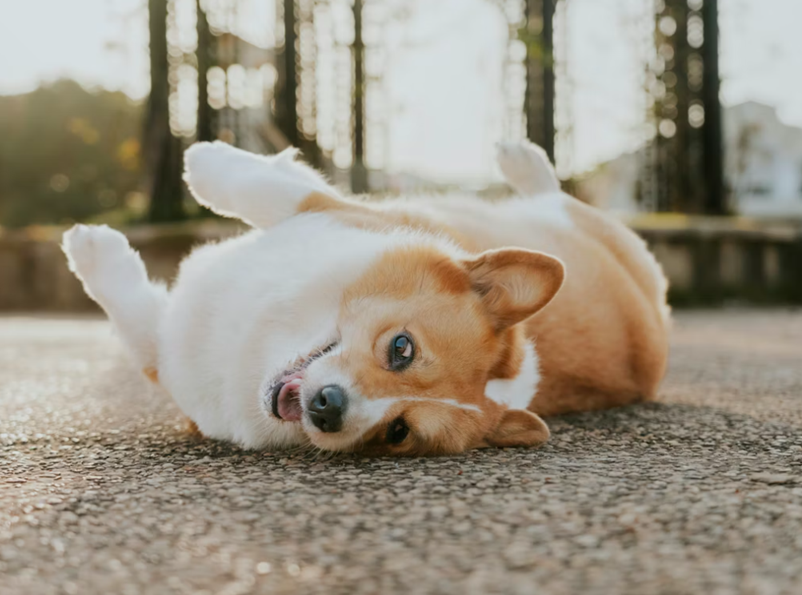
If you’ve ever noticed your dog rubbing their face on the carpet, couch, grass, or even your legs, you’re not alone. Face rubbing is a common canine behavior that can look funny, puzzling, or even concerning. Especially when it happens frequently. So, why do dogs rub their face? The answer depends on the context. In many cases, face rubbing is completely normal and harmless. In others, it may signal discomfort, allergies, or a health issue that needs attention.
This guide breaks down the most common reasons dogs rub their face, when it’s normal, when it’s a red flag, and what you can do to help.
1. Dogs Rub Their Face to Relieve Itching or Irritation
One of the most common reasons dogs rub their face is simple: it itches.
Dogs can experience facial itching due to:
-
Environmental allergies (pollen, dust, mold)
-
Food allergies or sensitivities
-
Contact with grass, plants, or cleaning products
-
Dry skin or seasonal changes
Because dogs don’t have hands, they use whatever surface is nearby…carpet, furniture, or the ground…to scratch the itch.
Signs this may be allergy-related include:
-
Frequent face rubbing or pawing at the muzzle
-
Redness around the eyes or mouth
-
Excessive licking of paws
-
Ear infections or head shaking
If face rubbing becomes persistent or intense, allergies are a strong possibility.
2. Face Rubbing as a Natural Scent-Marking Behavior
Dogs experience the world largely through scent. When a dog rubs their face, they may be depositing scent from glands located around the mouth, cheeks, and chin.
This behavior is especially common:
-
After eating
-
After playing outside
-
When encountering a new or interesting smell
By rubbing their face, dogs are marking objects, and sometimes people, as familiar or comforting.
This type of face rubbing is usually:
-
Brief
-
Relaxed
-
Accompanied by calm body language
In these cases, it’s simply part of normal canine communication behavior.
3. Dogs Rub Their Face After Eating
Many dogs rub their face on the floor or furniture immediately after a meal. This behavior can happen for a few reasons:
-
Removing food residue or moisture
-
Adjusting new or unfamiliar tastes
-
Expressing satisfaction or excitement
Some dogs are particularly sensitive around their mouth and dislike leftover smells or textures.
If your dog rubs their face only after meals and shows no other symptoms, it’s generally harmless.
 “Face rubbing is often a dog’s way of relieving discomfort or irritation, especially when allergies, dental issues, or skin sensitivities are involved. While occasional rubbing is normal, frequent or intense behavior usually means something is bothering them.” – Dr. Jennifer Coates, DVM, veterinary advisor and writer
4. Dental Problems Can Cause Face Rubbing
Face rubbing can sometimes point to oral discomfort or dental disease.
Common dental-related causes include:
-
Tooth decay or infection
-
Gum inflammation (gingivitis)
-
Broken or loose teeth
-
Objects stuck between teeth
Dogs experiencing mouth pain may rub their face to try to relieve pressure or irritation.
Warning signs to watch for:
-
Bad breath
-
Drooling
-
Difficulty chewing
-
Pawing at the mouth
-
Favoring one side while eating
If face rubbing is paired with any of these symptoms, a veterinary dental exam is strongly recommended.
5. Eye Irritation or Infections
Dogs may rub their face if something is irritating their eyes.
Possible causes include:
-
Dust or debris
-
Allergies
-
Dry eye
-
Conjunctivitis
-
Scratches or foreign objects
Because rubbing can make eye problems worse, excessive face rubbing around the eyes should never be ignored.
Seek veterinary care if you notice:
-
Squinting
-
Red or swollen eyes
-
Discharge
-
Sensitivity to light
Dogs commonly rub their face to scratch an itch, remove debris, or spread scent, but persistent face rubbing can signal underlying problems such as ear infections, eye irritation, or oral pain that shouldn’t be ignored.” – Dr. Jerry Klein, DVM, Chief Veterinary Officer, American Kennel Club
6. Ear Issues Can Trigger Face Rubbing
Dogs with ear infections or inflammation may rub their face or press one side of their head against surfaces.
This is because discomfort in the ears can radiate through the face and jaw.
Signs of ear-related issues include:
-
Head tilting
-
Frequent head shaking
-
Redness or odor in the ears
-
Scratching at ears
If face rubbing is focused on one side, ear pain may be the cause.

Are you finding this article useful? Would you like 100% free access to more articles like these, and free access to over 5,000 vetted pet care service professionals throughout the United States? Sign up here for a free Petworks account, and we’ll email you a 10% discount code, good towards your first pet care services booking on PetWorks!
7. Stress, Anxiety, or Overstimulation
In some cases, dogs rub their face as a self-soothing behavior.
This can happen:
-
During stressful situations
-
After intense play
-
When overstimulated or overtired
-
In new environments
Face rubbing may help dogs release nervous energy or calm themselves.
If the behavior happens occasionally and your dog otherwise seems relaxed, it’s usually nothing to worry about.
8. Skin Infections or Hot Spots
Bacterial or yeast infections around the face can cause intense itching and irritation.
These conditions may develop from:
-
Chronic moisture
-
Allergies
-
Skin folds (especially in flat-faced breeds)
-
Weakened immune systems
Dogs with facial skin infections often rub repeatedly and may show hair loss, redness, or odor.
Early treatment is important to prevent worsening symptoms.
When Should You Worry About Face Rubbing?
Occasional face rubbing is normal. However, it may be time to seek professional help if your dog:
-
Rubs their face obsessively or aggressively
-
Has visible redness, swelling, or sores
-
Shows signs of pain or behavior changes
-
Develops sudden or worsening symptoms
-
Rubs primarily on one side of the face
Persistent face rubbing is your dog’s way of communicating discomfort.
How to Help a Dog That Rubs Their Face
Depending on the cause, solutions may include:
-
Allergy testing or dietary changes
-
Switching to gentle, fragrance-free cleaners
-
Regular dental cleanings
-
Ear and eye examinations
-
Vet-recommended medications or supplements
-
Keeping facial areas clean and dry
Never try to treat chronic face rubbing without identifying the underlying cause.
Frequently Asked Questions About Dogs Rubbing Their Face
Is it normal for dogs to rub their face on the carpet?
Yes. Occasional face rubbing is normal and often related to itching, scent-marking, or post-meal behavior.
Why does my dog rub their face after eating?
Dogs may rub their face to remove food residue, react to new flavors, or simply express comfort after a meal.
Can allergies cause dogs to rub their face?
Absolutely. Environmental and food allergies are among the most common causes of frequent face rubbing in dogs.
Should I stop my dog from rubbing their face?
You don’t need to stop normal behavior, but excessive rubbing should be addressed by identifying and treating the cause.
When should I take my dog to the vet for face rubbing?
If the behavior is persistent, intense, or paired with other symptoms like redness, discharge, pain, or behavior changes, a veterinary visit is recommended.
So, why do dogs rub their face? In most cases, it’s a normal behavior tied to itching, scent communication, or routine comfort. But when face rubbing becomes frequent or intense, it can signal allergies, dental issues, infections, or discomfort that deserves attention.
By observing patterns and responding early, you can help keep your dog comfortable, healthy, and happy.
About PetWorks
 Marty Goldstein DVM joined the pet care platform PetWorks as an advisor in its Animal Nutrition care division. Dr Marty Nature’s Blend is on a mission to help your pets live their healthiest lives possible. Dr. Marty’s pet nutrition expertise and guidance has helped PetWorks evolve and become the preeminent animal and pet nutrition consultation service for pet parents in North America.
 In 2022, Blue Buffalo Founder Bill Bishop Jr. joined PetWorks as Senior Advisor in our Animal Nutrition Care Division. Bill brings his extensive expertise in pet food innovation and business leadership. His guidance helps PetWorks enhance our pet nutrition service offerings, helping to ensure that pet parents throughout the world receive trusted, science-backed nutritional support for their dogs, cats, and animals.
About The Author
 PetWorks Co-Founder Kevin Kinyon is a life-long animal lover who works tirelessly to improve the lives of pets and their parents. Human and animal qualities he values most are integrity, humor, and empathy.

 petworks tm