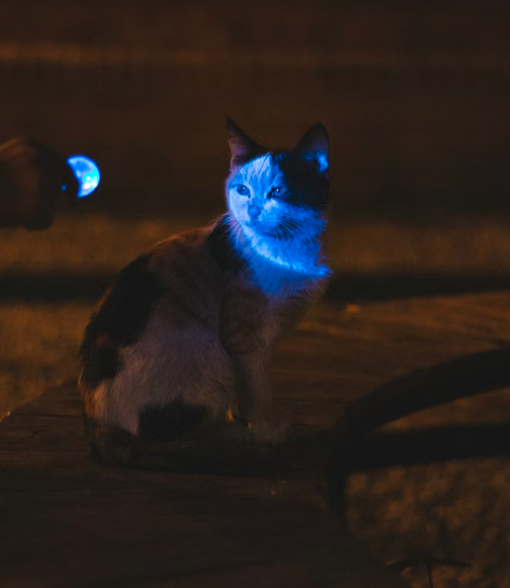
Cat Nocturnal? If your cat seems to sleep peacefully all day…only to turn into a noisy, energetic whirlwind at night. You’re not alone. Many cat owners find themselves asking the same exhausted question at 2am or 3am: Why is my cat awake all night? Nighttime cat behavior is one of the most common concerns pet parents search for online. From zoomies and loud meowing to knocking things off shelves, these behaviors can disrupt sleep and leave owners frustrated, confused, and worried they’re doing something wrong.
The good news? In most cases, nighttime activity is normal. And fixable. Let’s break down why cats are active at night, what might be triggering your cat’s behavior specifically, and how to help everyone in your household get better sleep.
Cats Aren’t Nocturnal. They’re Crepuscular.
One of the biggest misconceptions about cats is that they’re nocturnal. In reality, cats are crepuscular, meaning they’re naturally most active at dawn and dusk.
This behavior comes from their wild ancestors, who hunted small prey during low-light hours when birds and rodents were active.
“Cats are biologically wired to have bursts of energy during early morning and evening hours,” explains a Petworks feline behaviorist. “When those instincts meet a modern indoor lifestyle, nighttime restlessness often follows.”
For indoor cats, especially those without enough daytime stimulation, this natural rhythm can shift later into the night—right when humans are trying to sleep.
Common Reasons Your Cat Is Awake All Night
1. Boredom and Excess Energy
One of the most common causes of nighttime cat activity is understimulation during the day.
If your cat:
-
Sleeps most of the day
-
Has limited interactive play
-
Lacks enrichment or novelty
…they may store up energy and release it at night.
“Cats need both mental and physical stimulation,” says a Petworks-certified cat trainer. “Without it, they’ll create their own entertainment—often at the worst possible time.”
Nighttime zoomies, chasing invisible prey, or attacking ankles are classic signs of pent-up energy.
2. Hunger or Feeding Schedules
Cats are natural grazers. If dinner happens early in the evening, your cat may wake up hungry hours later.
This often leads to:
-
Loud meowing
-
Pawing at faces
-
Knocking objects over to get attention
Your cat may have learned that waking you up results in food—even unintentionally.
3. Attention-Seeking Behavior
Cats are excellent at learning cause and effect.
If nighttime behavior results in:
-
Talking to your cat
-
Getting out of bed
-
Feeding or petting
…your cat may repeat it because it works.
“Even negative attention reinforces behavior,” notes a Petworks feline behavior expert. “From a cat’s perspective, waking you up is a successful strategy.”
4. Environmental Triggers at Night
At night, the world sounds different:
-
Outdoor animals
-
Headlights
-
Shadows
-
Building noises
Cats are highly sensitive to movement and sound, and nighttime quiet can amplify stimuli.
Windows, balconies, and hallway noises often trigger alertness or vocalizing.

Are you finding this article useful? Would you like 100% free access to more articles like these, and free access to over 5,000 vetted pet care service professionals throughout the United States? Sign up here for a free Petworks account, and we’ll email you a 10% discount code, good towards your first pet care services booking on Petworks!
5. Age-Related Changes (Especially in Senior Cats)
Older cats may experience:
-
Cognitive dysfunction
-
Increased anxiety
-
Vision or hearing loss
This can result in nighttime pacing, confusion, or loud yowling.
“Senior cats who vocalize at night aren’t being difficult,” says a Petworks cat behavior consultant. “They’re often disoriented or seeking reassurance.”
Any sudden change in behavior—especially in older cats—should be discussed with a veterinarian.
6. Medical Issues
Sometimes nighttime activity signals an underlying health issue, such as:
-
Hyperthyroidism
-
Pain or arthritis
-
Gastrointestinal discomfort
-
High blood pressure
If your cat’s nighttime behavior is new, intense, or paired with other symptoms, a vet visit is essential.
How to Help Your Cat Sleep Through the Night
1. Adjust the Play–Eat–Sleep Cycle
Cats thrive on routine. One of the most effective strategies is mimicking the natural hunt cycle:
-
Interactive play in the evening (10–20 minutes)
-
Dinner immediately after
-
Calm environment afterward
This sequence encourages your cat to eat, groom, and then sleep.
2. Increase Daytime Enrichment
Add stimulation during waking hours:
-
Window perches
-
Puzzle feeders
-
Rotating toys
-
Short play sessions throughout the day
Mental fatigue is just as important as physical exercise.
3. Avoid Reinforcing Nighttime Wake-Ups
As difficult as it is, try not to:
-
Feed your cat in the middle of the night
-
Get up to interact
-
Yell or scold
Consistency is key. Even one “reward” can reset the habit.
4. Consider Timed or Automatic Feeders
Automatic feeders can:
-
Deliver food early in the morning
-
Break the association between you and food
-
Reduce hunger-based wake-ups
This is especially helpful for early risers or food-motivated cats. Seek the services of a cat nutritionist for more help with feline diet and feeding timing.
5. Create a Calm Sleep Environment
Help your cat settle:
-
Dim lights in the evening
-
Use white noise to block outside sounds
-
Close curtains to reduce visual triggers
Some cats benefit from pheromone diffusers or calming supplements (vet-approved).
When to Work With a Cat Behaviorist
If you’ve tried routine changes and enrichment without success, working with a professional can help uncover the root cause.
“Nighttime behavior issues are rarely about stubbornness,” explains a Petworks feline behaviorist. “They’re communication. A professional can identify triggers and create a plan that fits both the cat and the household.”
A behaviorist can:
-
Assess routines and environment
-
Identify stressors
-
Create a personalized sleep strategy
-
Prevent long-term behavior problems
Cat Nocturnal? Frequently Asked Questions
Why does my cat sleep all day and stay awake at night?
Cats naturally rest during daylight hours. If they aren’t stimulated enough during the day, they may become active at night when their instincts kick in.
Is it normal for cats to have zoomies at night?
Yes. Zoomies are often a sign of excess energy. They’re common in young cats and indoor-only cats.
Should I ignore my cat when it wakes me up at night?
If medical issues are ruled out, ignoring attention-seeking behavior—while improving daytime enrichment—is often the most effective approach.
Do cats grow out of nighttime activity?
Some do, especially kittens. Others need routine adjustments or enrichment to change their habits.
When should I worry about nighttime meowing?
If it’s sudden, excessive, or accompanied by changes in appetite, litter box habits, or mobility, consult a veterinarian.
Helping Your Cat—and Yourself—Sleep Better
A cat who’s awake all night isn’t being difficult. It’s not a cat nocturnal situation. They’re responding to instinct, routine, environment, or unmet needs.
With the right combination of:
-
Structured play
-
Enrichment
-
Consistent routines
-
Expert guidance
Most nighttime behavior issues can be dramatically improved.
If you’re struggling, a Petworks feline behavior professional can help you create a customized plan. So your cat gets the stimulation they need, and you finally get the sleep you deserve.
About PetWorks
 In 2021, Dr. Marty Goldstein DVM joined the pet care platform PetWorks as an advisor in its Animal Nutrition care division. Dr Marty Nature’s Blend is on a mission to help your pets live their healthiest lives possible. Dr. Marty’s pet nutrition expertise and guidance has helped PetWorks evolve and become the preeminent animal and pet nutrition consultation service for pet parents in North America.
 In 2022, Blue Buffalo Founder Bill Bishop Jr. joined PetWorks as Senior Advisor in our Animal Nutrition Care Division. Bill brings his extensive expertise in pet food innovation and business leadership. His guidance helps PetWorks enhance our pet nutrition service offerings, helping to ensure that pet parents throughout the world receive trusted, science-backed nutritional support for their dogs, cats, and animals.
About The Author
 PetWorks Co-Founder Kevin Kinyon is a life-long animal lover who works tirelessly to improve the lives of pets and their parents. Human and animal qualities he values most are integrity, humor, and empathy.

 petworks tm