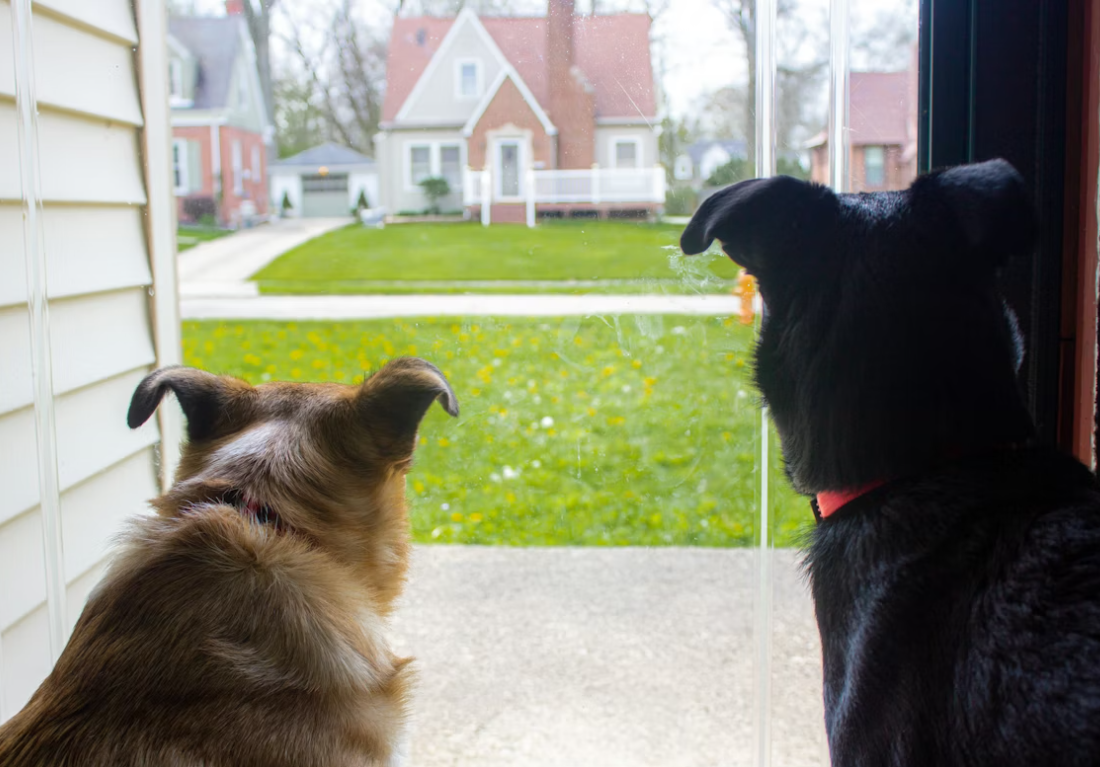
Caring for someone else’s pet is a huge responsibility. One of the most important aspects of pet sitting is keeping pets safe, and preventing escapes is a top priority. Whether you’re walking a dog, boarding them in your home, or house sitting in theirs, even small lapses can lead to a pet slipping away. Every dog and cat is different, and some are escape artists in their own right.
Tiny dogs can wiggle through the smallest gaps, athletic dogs can jump fences effortlessly, and clever cats can slip past your ankles without a sound. Add in unpredictable behavior, especially when a pet is in a new environment or with a new sitter, and the risk of escapes becomes something you must plan for carefully.
In this comprehensive guide, we’ll walk through practical tips and safety strategies to prevent escapes, covering everything from walking and outdoor safety to indoor supervision and breed-specific considerations. If you’re a professional pet sitter, this guide is for you!
Gather Information Before Your First Visit
Preparation is key to preventing escapes. A meet-and-greet with a pet before your first official sit can provide valuable insights about their habits, stress triggers, and any history of escape attempts. Understanding these details helps you create a safe environment from the start.
Here are questions you should ask the pet owner:
-
Has this pet ever escaped before? How did it happen? Knowing past incidents helps you anticipate similar behaviors.
-
Does this pet experience anxiety or reactivity? Pets under stress are more likely to bolt, so knowing triggers ahead of time is essential.
-
Is this pet spayed or neutered? Unaltered pets, particularly males, may have a higher tendency to roam.
-
Does the pet have a strong prey drive? Dogs and cats with hunting instincts may chase wildlife, vehicles, or fast-moving objects.
-
How does the pet react to visitors, doorbells, or people coming and going? Entryways are often high-risk areas for escapes.
-
How reliable is their recall? Some pets respond well to commands, others don’t. Knowing their training level helps you plan.
-
What treats or rewards motivate them most? High-value incentives can help redirect a pet’s attention in a tense moment.
-
Do you use baby gates, pens, or other barriers at home? Understanding which barriers work ensures pets remain contained.
-
Are harnesses and leashes checked for proper fit? A secure harness prevents pets from slipping out.
-
Does the pet have triggers while on walks? Bikes, other dogs, or loud noises can provoke sudden attempts to escape.
-
Is the pet microchipped and wearing current ID tags? Identification is crucial in case a pet does slip away.
 “Regularly inspect your yard and entry points for any gaps or weak spots, and always ensure collars and harnesses are secure before allowing a pet outside or going for a walk. Microchipping and up‑to‑date ID tags are essential, because even the most careful prevention measures can’t stop every escape attempt.” – Dr. Wayne Hunthausen, pet behavior consultant and veterinarian
Tips for Safe Dog Walking
Walking a dog is one of the most common times pets escape. Even the most obedient dogs can react to a sudden stimulus, so prevention requires vigilance and preparation.
Keep dogs on leash at all times. Even in a quiet neighborhood, dogs can get spooked or overexcited. Avoid retractable leashes, which can reduce your control.
Check harness and collar fit. Use the “two-finger rule”: two fingers should fit snugly under the collar or harness—not loose enough for the dog to slip out, not tight enough to be uncomfortable.
Stay alert and minimize distractions. Keep phones in your pocket and headphones off so you can react quickly. Dogs can escape in seconds, and your attention must always be on them.
Carry high-value treats. Treats are not just for training—they can be lifesavers in redirecting attention or recalling a dog who starts to bolt.
Be mindful of triggers. If the dog has a prey drive, avoid parks or wooded areas where squirrels and other small animals are present. For reactive dogs, choose less crowded walking routes.
Extra care during transitions. Doorways, elevators, and car exits are prime escape spots. Always leash a dog before entering or leaving these spaces.
Dog Boarding & Daycare Safety
Boarding dogs in your home or running a daycare requires extra security measures. Escapes can happen quickly if precautions aren’t taken.
Yard Safety
-
Never leave dogs unsupervised outdoors. Even fenced yards have weak points.
-
Inspect fences regularly. Look for gaps, loose boards, or objects near the fence dogs could use to jump.
-
Child-proof or dog-proof gates. Latches should be secure and difficult for dogs to manipulate.
-
Keep unsure dogs on leash. Until you are certain a dog won’t jump or squeeze through, leash them for outdoor activities.
Indoor Safety
-
Use gates or pens around doors. Create a buffer zone to prevent sudden escapes when doors open.
-
Keep windows closed. Screens are not enough to contain determined dogs.
-
Check crates and containment areas. Some dogs can slip out if stressed, so always ensure the area is secure.
-
Communicate with household members. Everyone should know how to handle doors, gates, and leashes safely.
-
Supervise visitors. Excitement or nervousness around guests can trigger a dash for the door.
-
Create visual barriers for triggers. Cover windows if a dog reacts to neighbors or outdoor stimuli.
Extra Tips
-
Increase enrichment and exercise. A bored dog is more likely to attempt an escape. Frequent walks, interactive toys, and mental stimulation reduce this risk.
-
Monitor interactions with other pets. Even friendly dogs can be unpredictable in new social situations.
House Sitting & Drop-In Visits
Even in a familiar home, pets can behave unpredictably when their owner is away. Follow these guidelines to minimize risk:
-
Check fences and gates before allowing dogs outside. Ensure all gates are closed and latched securely.
-
Supervise all outdoor time. Leash dogs if there’s any doubt about yard security.
-
Keep windows and doors closed. Don’t rely on screens alone.
-
Create a safe entry protocol. Bring pets into a secure room before opening the main door.
-
Get emergency contacts. Have phone numbers for the owner and backup contacts.
-
Use a settling-in period. Allow pets to acclimate before leaving them alone.

Are you finding this article useful? Would you like 100% free access to more articles like these, and free access to over 5,000 vetted pet care service professionals throughout the United States? Sign up here for a free Petworks account, and we’ll email you a 10% discount code, good towards your first pet care services booking on Petworks!
Keeping Cats Safe
Cats are natural escape artists, and preventing escapes often requires creative strategies:
-
Create cozy spots away from exits. Window perches, cat trees, or comfy beds with toys and treats can distract cats from doors.
-
Toss treats away from doors. This gives you a moment to enter or leave without a cat slipping past your feet.
-
Keep windows closed. Screens are rarely strong enough to contain cats.
-
Ensure ID and microchips are current. Tear-away collars and microchips increase the chances of recovery if a cat escapes.
Breed- and Size-Specific Considerations
Some dogs have traits or past experiences that make them more likely to attempt escape. Understanding breed tendencies helps prevent incidents.
Dogs with Separation Anxiety
-
Risks: Bolting when someone leaves, lingering outside the fence, repeated escape attempts.
-
Prevention: Create a safe space, such as a crate or quiet room, and use familiar toys. Keep potty breaks on leash and increase mental stimulation.
Dogs Sensitive to Noise
-
Risks: Panicking due to fireworks, sirens, thunderstorms, or construction.
-
Prevention: Keep dogs indoors in a calm area, use white noise or music to mask sounds, and close blinds to block visual stimuli.
High Prey Drive Dogs
-
Risks: Chasing small animals or objects, jumping fences, digging, or bolting.
-
Prevention: Avoid wildlife-heavy areas, use short secure leashes, and provide regular enrichment and exercise.
Digging Breeds
-
Risks: Escaping through loose soil or gaps under fences.
-
Prevention: Inspect fences regularly, create a designated digging area, and place heavy objects along the fence line.
Jumping and Climbing Breeds
-
Risks: Leaping over or climbing fences, using objects as launchpads.
-
Prevention: Remove potential springboards, use taller fencing if needed, and keep potty breaks on leash for natural jumpers like Greyhounds and Jack Russell Terriers.
If a Pet Escapes
Despite all precautions, accidents can happen. If a pet does escape, act quickly:
-
Stay calm and avoid chasing blindly. Panic can make the pet run further.
-
Use high-value treats or favorite toys to lure them back.
-
Alert neighbors and local pet services. Post notices and provide a description.
-
Contact emergency pet services or professional lost pet finders. They can guide you through recovery techniques and provide additional resources.
Preventing pet escapes requires preparation, vigilance, and understanding each pet’s unique behaviors. By gathering information ahead of time, using proper containment strategies, and staying alert during walks or house visits, you can dramatically reduce the risk of escapes. Whether dogs are leaping over fences, cats are plotting their next adventure, or pets are simply curious about the world beyond the door, careful planning ensures their safety, and your peace of mind.
Frequently Asked Questions (FAQ)
Q: What’s the most common way pets escape?
A: Pets often escape through open doors, unsecured gates, or damaged fences. Even small gaps or window screens can be enough for a determined cat or dog.
Q: How can I prevent my dog from running away during walks?
A: Keep your dog on a properly fitted leash and harness, stay alert to surroundings and triggers, carry high-value treats for recall, and avoid retractable leashes or busy areas if your dog is reactive.
Q: Are certain breeds more likely to escape?
A: Yes. Dogs with high prey drive, separation anxiety, or natural jumping/climbing tendencies are more likely to try to escape. Cats are naturally curious and often exploit gaps or screens.
Q: What should I do if a pet escapes while I’m sitting?
A: Stay calm, call the pet owner immediately, use high-value treats or toys to lure the pet back, and contact local pet services or microchip databases if needed.
Q: Is microchipping really necessary?
A: Absolutely. Even with careful supervision, pets can escape. Microchips and up-to-date ID tags dramatically increase the chances of a safe return.
Q: Can environmental enrichment help prevent escapes?
A: Yes. Regular walks, interactive toys, puzzle feeders, and mental stimulation reduce boredom and anxiety, making pets less likely to attempt an escape.
Remember: Every pet is unique, and taking a proactive approach is the best way to keep them secure, happy, and safe while under your care.
About Petworks
 In 2021, Dr. Marty Goldstein DVM joined the pet care platform Petworks as an advisor in its Animal Nutrition care division. Dr Marty Nature’s Blend is on a mission to help your pets live their healthiest lives possible. Dr. Marty’s pet nutrition expertise and guidance has helped Petworks evolve and become the preeminent animal and pet nutrition consultation service for pet parents in North America.
 In 2022, Blue Buffalo Founder Bill Bishop Jr. joined Petworks as Senior Advisor in our Animal Nutrition Care Division. Bill brings his extensive expertise in pet food innovation and business leadership. His guidance helps Petworks enhance our pet nutrition service offerings, helping to ensure that pet parents throughout the world receive trusted, science-backed nutritional support for their dogs, cats, and animals.
About The Author
 Petworks Co-Founder Kevin Kinyon is a life-long animal lover who works tirelessly to improve the lives of pets and their parents. Human and animal qualities he values most are integrity, humor, and empathy.

 petworks tm