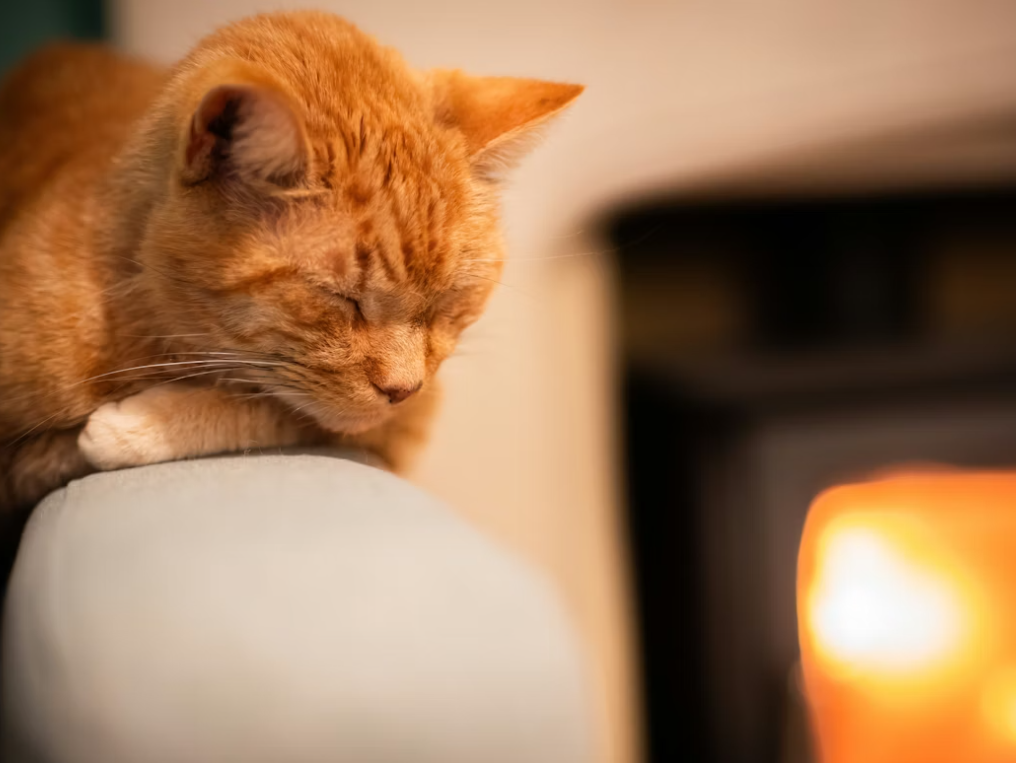
Let’s talk about the Ideal Indoor Temperature For Your Kitten. Keeping Your Feline Safe and Comfortable. Kittens are small, fragile, and highly sensitive to changes in their environment. While adult cats can handle a wide range of indoor temperatures, kittens, especially newborns and those under three months, need a carefully controlled environment to thrive.
Understanding the ideal indoor temperature for your kitten is essential for their health, comfort, and growth. In this article, we’ll explore temperature guidelines, signs your kitten may be too cold or too hot, and practical tips for creating a cozy home.
Why Temperature Matters for Kittens
Kittens have underdeveloped thermoregulation systems, meaning they cannot efficiently control their body temperature like adult cats. Newborn kittens, for example, rely heavily on their mother’s warmth or external heat sources to maintain a stable body temperature. A kitten that gets too cold may become lethargic, stop eating, and even face life-threatening hypothermia. Conversely, excessive heat can cause dehydration, heat stress, and discomfort.
The Ideal Indoor Temperature Range
For most kittens, the recommended indoor temperature varies depending on their age:
-
Newborn to 1 week: 85–90°F (29–32°C)
-
1–3 weeks: 80–85°F (27–29°C)
-
3–4 weeks: 75–80°F (24–27°C)
-
4 weeks and older: 70–75°F (21–24°C)
 Once kittens reach around 8–12 weeks and are fully weaned, they can comfortably tolerate standard indoor temperatures ranging from 68–75°F (20–24°C). However, it’s still important to provide warm sleeping areas, especially in colder months.
Signs Your Kitten May Be Too Cold
Recognizing when your kitten is uncomfortable is key to preventing serious health issues. Common signs a kitten is too cold include:
-
Shivering or trembling
-
Curling tightly into a ball to conserve heat
-
Cold ears, paws, or tail
-
Lethargy or reduced movement
-
Refusal to eat or nurse
If you notice any of these symptoms, immediately provide warmth. A heated pad, warm water bottle wrapped in a towel, or a cozy nest with blankets can help bring your kitten’s temperature back to a safe range.
Are you finding this article useful? Would you like 100% free access to more articles like these, and free access to over 5,000 vetted pet care service professionals throughout the United States? Sign up here for a free Petworks account, and we’ll email you a 10% discount code, good towards your first pet care services booking on Petworks!

Signs Your Kitten May Be Too Hot
While much of the focus is on keeping kittens warm, overheating is also a risk. Signs your kitten may be too hot include:
-
Panting or rapid breathing
-
Restlessness or agitation
-
Lethargy
-
Excessive grooming or drooling
-
Seeking cool surfaces to lie on
Avoid placing kittens directly next to radiators, heaters, or heat lamps. Instead, provide a warm but controlled environment, allowing them to move away from heat if needed.
Tips for Maintaining the Ideal Indoor Temperature
Creating a safe, comfortable space for your kitten requires attention to both heating and cooling, depending on the season. Here are some practical tips:
Use a Thermometer
Place a reliable thermometer in your kitten’s primary area. Check it frequently to ensure the temperature stays within the recommended range.
Provide Cozy Sleeping Areas
Use soft blankets, small pet beds, or enclosed kitten houses. For very young kittens, consider heated pads or warm water bottles wrapped in towels. Make sure there’s enough space for the kitten to move away from heat if it gets too warm.
Monitor Room Temperature
In winter, keep your home heated, especially where kittens spend most of their time. In summer, provide shade, fans, or air conditioning to prevent overheating.
Avoid Drafts
Kittens are vulnerable to cold drafts from windows, doors, and vents. Ensure their sleeping area is draft-free, using curtains or draft stoppers if needed.
Group Kittens Together
If you have more than one kitten, allow them to sleep together. They naturally share body heat, which helps maintain warmth.
Adjust Diet Accordingly
Kittens burn more calories to maintain body heat in colder environments. Provide regular, nutrient-rich meals and cat diet plans to support growth and energy needs.
Winter Care Considerations
During colder months, maintaining the ideal temperature may require extra effort.
-
Warm bedding: Layer blankets in a small bed or box.
-
Safe heating pads: Use pads designed for pets and always cover with a blanket to prevent burns.
-
Limit outdoor exposure: Kittens should not be left outside in cold temperatures, even briefly.
-
Monitor energy levels: Cold can sap a kitten’s energy, so extra playtime and attention may be needed indoors.
Summer Care Considerations
While keeping kittens warm is crucial in winter, summer heat can pose risks as well.
-
Ensure they have access to cool areas, like tiled floors or shaded spots.
-
Never leave kittens in parked cars, even briefly.
-
Provide fresh water constantly to prevent dehydration.
-
Monitor for heat stress: If they pant or seem unusually lethargic, move them to a cooler space immediately.
Creating a Temperature-Safe Kitten Zone
Designate a single area of your home as your kitten’s primary space. This makes it easier to control temperature, monitor behavior, and provide comfort. A temperature-safe kitten zone should include:
-
A cozy bed or box
-
Soft blankets or towels
-
Safe heating options (if needed)
-
Access to water and litter box
-
Minimal drafts and controlled humidity
By keeping the space consistent, your kitten will feel secure and healthy.
Expert Advice on Temperature For Kittens
“Putting in warm or hot water bottles under blankets, covering the kittens, and raising the ambient room temperature into the mid‑80s are all ways to increase the temperature of the kitten.” – Elizabeth J. Thomovsky, DVM
Common Questions About Indoor Temperature for Kittens (FAQ)
Can I use a regular room heater for my kitten?
A: Only if the heater does not create drafts or overheating spots. Avoid space heaters that can tip over or produce extremely high temperatures. A controlled, moderate heat source is safer.
How do I check if my kitten is too cold?
A: Touch their ears, paws, and tail. If they feel cold to the touch or the kitten is shivering, it’s likely too cold. A lethargic or weak kitten also indicates a serious problem.
Can adult cats and kittens share the same temperature environment?
A: Yes, but kittens may need slightly warmer conditions than adult cats. Ensure young kittens have access to extra warmth if the room is cooler.
Do I need to adjust the temperature at night?
A: Kittens sleep a lot, so maintaining a consistent temperature is important, including overnight. Consider using a safe heating pad or warm bedding if the room drops below recommended ranges.
How long can a kitten survive in a cold room?
A: Very young kittens (under 3 weeks) are extremely vulnerable and may only survive a few hours in temperatures below 70°F (21°C). Always provide supplemental warmth for newborns.
Kittens are delicate creatures whose well-being depends on a stable, safe environment. Understanding the ideal indoor temperature for kittens, and how to adjust it based on age, season, and individual needs, is critical for keeping your little feline healthy and happy. By monitoring their environment, recognizing early signs of discomfort, and providing cozy sleeping areas, you can ensure your kitten grows strong, active, and content.
About Petworks
 In 2021, Dr. Marty Goldstein DVM joined the pet care platform Petworks as an advisor in its Animal Nutrition care division. Dr Marty Nature’s Blend is on a mission to help your pets live their healthiest lives possible. Dr. Marty’s pet nutrition expertise and guidance has helped Petworks evolve and become the preeminent animal and pet nutrition consultation service for pet parents in North America.
 In 2022, Blue Buffalo Founder Bill Bishop Jr. joined Petworks as Senior Advisor in our Animal Nutrition Care Division. Bill brings his extensive expertise in pet food innovation and business leadership. His guidance helps Petworks enhance our pet nutrition service offerings, helping to ensure that pet parents throughout the world receive trusted, science-backed nutritional support for their dogs, cats, and animals.
About The Author
 Petworks Co-Founder Kevin Kinyon is a life-long animal lover who works tirelessly to improve the lives of pets and their parents. Human and animal qualities he values most are integrity, humor, and empathy.

 petworks tm