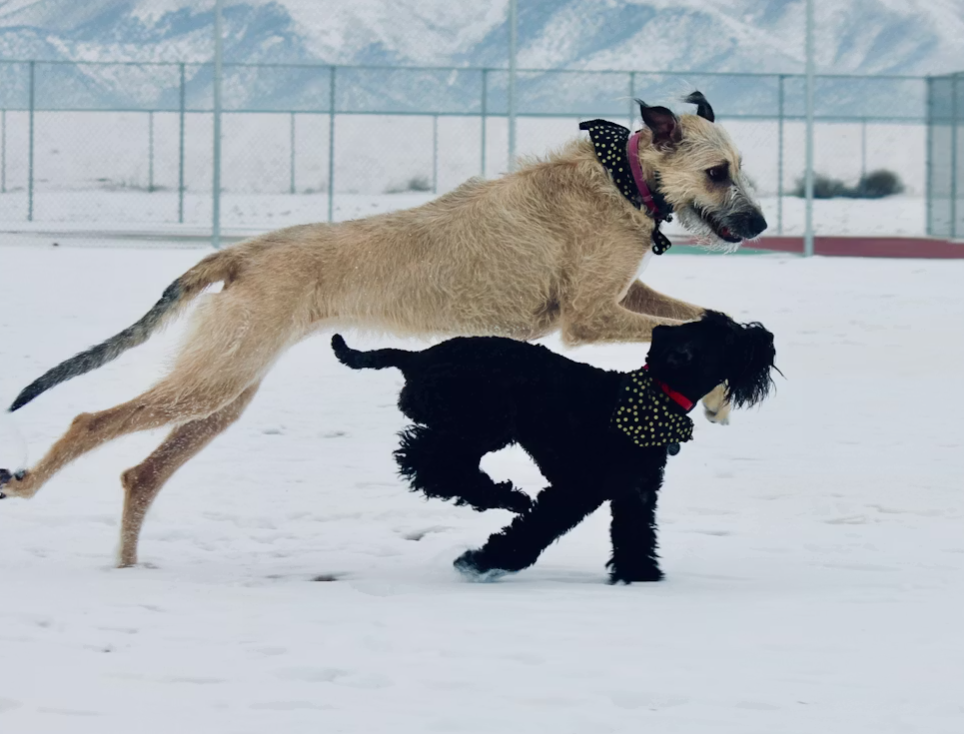
As temperatures drop and winter sets in, pet owners face unique challenges in keeping their furry friends safe, comfortable, and healthy. Cold weather can be harsh not only for humans but also for pets, and many common winter hazards can pose serious risks if pet owners aren’t careful. From frostbite to slippery sidewalks and indoor hazards, knowing how to protect your pets during the winter months is essential. This guide will cover practical strategies, tips, and expert advice to ensure your pets thrive during the colder seasons.
Understanding How Cold Weather Affects Pets
Pets, like humans, are susceptible to the cold. However, their tolerance varies widely depending on species, breed, age, size, and health. Dogs and cats with thick fur may handle colder temperatures better than short-haired or small breeds, while senior pets or those with chronic conditions such as arthritis, heart disease, or obesity may be more sensitive to cold stress.
Cold exposure can lead to hypothermia and frostbite. Hypothermia occurs when a pet’s body temperature drops below normal, which can affect their organs and overall health. Frostbite usually affects extremities such as ears, tails, and paws, causing tissue damage. Symptoms to watch for include shivering, lethargy, pale or gray skin, and cold extremities. Immediate veterinary attention is crucial if these signs appear.
Keeping Pets Warm Outdoors
If your pet spends time outside, you’ll need to take extra precautions to ensure their safety in freezing temperatures.
1. Appropriate Shelter
Outdoor pets need insulated, draft-free shelters that provide protection from wind, rain, and snow. The shelter should be raised off the ground and lined with warm bedding such as straw, blankets, or pet-safe insulation. Make sure the entrance is covered or oriented away from prevailing winds. Pets should be able to turn around, lie down, and stretch comfortably within their shelter.
2. Limiting Outdoor Time
Even with proper shelter, pets should not be left outside for prolonged periods in freezing temperatures. Short, supervised outdoor sessions are safer for walks, potty breaks, or playtime. For small, short-haired, or elderly pets, consider using a winter coat or sweater to provide extra warmth during outdoor exposure.
3. Paw Care
Winter sidewalks and roads can be harsh on your pet’s paws. Ice, snow, salt, and chemical de-icers can cause irritation, cracking, and pain. To protect your pet’s paws:
-
Apply pet-safe paw balm before and after walks.
-
Wipe and rinse paws after outdoor activity to remove salt or chemicals.
-
Use pet boots or socks if your pet tolerates them.
Always monitor for signs of discomfort such as limping, licking, or chewing at the paws.

Are you finding this article useful? Would you like 100% free access to more articles like these, and free access to over 5,000 vetted pet care service professionals throughout the United States? Sign up here for a free Petworks account, and we’ll email you a 10% discount code, good towards your first pet care services booking on Petworks!
4. Hydration and Nutrition
Cold weather can be dehydrating, so always provide access to fresh water. Heated water bowls can prevent freezing for outdoor pets. Additionally, pets may require slightly higher caloric intake during winter to maintain body heat, but consult your veterinarian or animal nutritionist before adjusting their diet.
Indoor Safety During Winter
Even pets that spend most of their time indoors face winter hazards. Dry indoor air, space heaters, and holiday decorations can create unexpected risks.
Keep Indoor Temperatures Comfortable
Pets can get cold indoors, especially if your home is drafty or not well-heated. Provide warm bedding, blankets, or heated pet beds for extra comfort. Pay attention to small dogs, kittens, senior pets, or those recovering from illness, as they may need additional warmth.
Avoid Space Heater Hazards
Space heaters, fireplaces, and wood stoves can pose burn or fire risks. Keep pets at a safe distance and supervise them when these heat sources are in use. Ensure cords are out of reach to prevent chewing hazards.
Prevent Dry Skin
Indoor heating can dry out your pet’s skin and coat. Consider using a humidifier to maintain indoor moisture levels, and brush your pet regularly to prevent matting and skin irritation.
Holiday Hazards
Winter holidays bring decorations, lights, and plants that can be dangerous for pets. Avoid tinsel, small ornaments, and toxic plants such as poinsettias, holly, and mistletoe. Keep chocolate, alcohol, and other foods harmful to pets out of reach.
Winter Travel Safety
Winter weather affects not only daily routines but also travel. Snow, ice, and cold temperatures can make driving more hazardous and pose additional risks for pets.
-
Vehicle Safety: Never leave pets in a parked car during cold weather. Temperatures can drop quickly, putting your pet at risk of hypothermia.
-
Car Restraints: Use a pet seat belt, carrier, or crate during travel to prevent injuries from sudden stops.
-
Emergency Kits: Keep a winter emergency kit for pets, including blankets, water, food, and a first-aid kit.
Recognizing Signs of Cold Stress
Understanding the warning signs of cold stress can prevent serious complications. Watch for:
-
Shivering or trembling
-
Lethargy or weakness
-
Pale, gray, or blue gums
-
Limping or lifting paws off the ground
-
Whining or anxious behavior
 If any of these signs appear, bring your pet indoors immediately and warm them gradually. Wrap them in blankets, offer warm (not hot) fluids, and consult a veterinarian promptly.
Grooming and Winter Care
Pet Grooming plays an important role in cold weather pet safety.
-
Coat Maintenance: Keep your pet’s coat clean and dry. Mats and tangles can reduce the insulating properties of fur.
-
Bathing: Avoid frequent bathing in winter as it can strip natural oils and lead to dry skin. Use moisturizing pet shampoos when needed.
-
Nail Trimming: Keep nails trimmed to prevent slipping on ice and snow.
Special Considerations for Specific Pets
Different types of pets require unique winter safety measures:
-
Dogs: Small breeds, puppies, and senior dogs may need sweaters or coats. Avoid extended walks in icy conditions.
-
Cats: Indoor cats may be tempted to explore outdoors in winter. Keep doors and windows secure, and provide warm indoor spaces for play and rest.
-
Small mammals: Rabbits, guinea pigs, and other small pets are highly sensitive to cold. Ensure their enclosures are insulated and free from drafts.
-
Birds: Outdoor birds require insulated cages, shelter from wind, and unfrozen water.
Expert Advice
Dr. Lisa Lippman, a certified veterinarian, emphasizes:
“Winter is often overlooked when it comes to pet safety. Even brief exposure to extreme cold can be dangerous, especially for young, senior, or small-breed pets. Owners should pay attention to their pet’s behavior and provide proper indoor and outdoor protection to prevent frostbite and hypothermia.”
Tips for a Safe and Enjoyable Winter
Plan walks during warmer parts of the day to reduce exposure to freezing temperatures.
Use reflective gear for pets during short, dark winter days to increase visibility.
Store antifreeze safely, as even small amounts are highly toxic to pets.
Monitor weight and body condition, as winter may affect activity levels and metabolism.
Regular vet checkups help ensure pets remain healthy during seasonal changes.
Cold weather brings a range of challenges for pets, but with proper precautions, you can keep your furry family members safe, warm, and happy. Understanding the risks of frostbite, hypothermia, and winter hazards, combined with proactive care, ensures pets can enjoy winter safely. By providing warm shelters, limiting outdoor exposure, practicing paw care, maintaining indoor comfort, and monitoring for signs of stress, you’re taking essential steps toward responsible pet ownership during the colder months. Winter doesn’t have to mean discomfort or danger for pets. It can be a season of cozy, healthy fun for everyone in your household.
🐾 Cold Weather Pet Safety Checklist 🐾
Outdoor Safety
-
Provide insulated, draft-free shelter 🏠
-
Limit outdoor time in freezing weather ⏱️
-
Use pet coats or sweaters for small/short-haired pets 🧥
-
Protect paws: paw balm, wipes, or pet boots 🐾
-
Keep water unfrozen (heated bowls if needed) 💧
Indoor Safety
-
Maintain a warm, draft-free environment 🌡️
-
Provide cozy bedding or heated pet beds 🛏️
-
Avoid direct contact with space heaters or fireplaces 🔥
-
Use a humidifier to prevent dry skin 💨
-
Keep holiday decorations, plants, and foods out of reach 🎄
Winter Travel
-
Never leave pets in cold cars ❌🚗
-
Use pet seat belts, carriers, or crates for safety 🐕
-
Keep a winter emergency kit: blankets, water, food, first-aid 🧰
Health & Grooming
-
Watch for shivering, lethargy, or cold extremities ❄️
-
Keep coats clean, dry, and free of mats 🪮
-
Limit winter baths; use moisturizing pet shampoo 🛁
-
Trim nails to prevent slipping on ice ✂️
Extra Tips
-
Schedule vet checkups to ensure winter wellness 🩺
-
Avoid antifreeze spills; highly toxic to pets ⚠️
-
Use reflective gear during short, dark days 🌙
✅ Keep your furry friends warm, healthy, and happy this winter!
About Petworks
 In 2021, Dr. Marty Goldstein DVM joined the pet care platform Petworks as an advisor in its Animal Nutrition care division. Dr Marty Nature’s Blend is on a mission to help your pets live their healthiest lives possible. Dr. Marty’s pet nutrition expertise and guidance has helped Petworks evolve and become the preeminent animal and pet nutrition consultation service for pet parents in North America.
 In 2022, Blue Buffalo Founder Bill Bishop Jr. joined Petworks as Senior Advisor in our Animal Nutrition Care Division. Bill brings his extensive expertise in pet food innovation and business leadership. His guidance helps Petworks enhance our pet nutrition service offerings, helping to ensure that pet parents throughout the world receive trusted, science-backed nutritional support for their dogs, cats, and animals.
About The Author
 Petworks Co-Founder Kevin Kinyon is a life-long animal lover who works tirelessly to improve the lives of pets and their parents. Human and animal qualities he values most are integrity, humor, and empathy.

 petworks tm