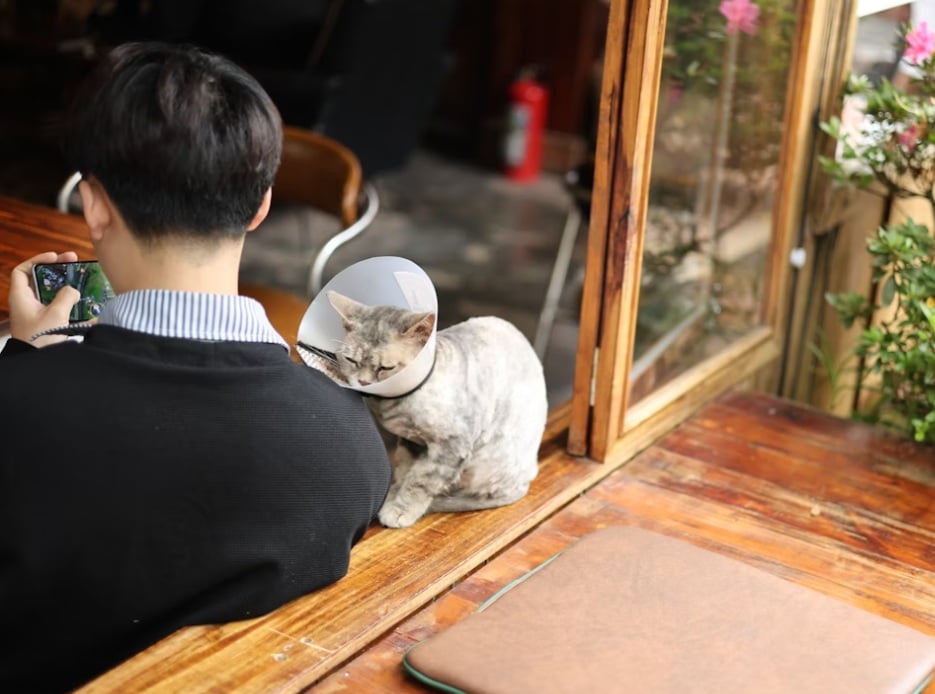
Spaying your cat is an important step in keeping her healthy and preventing unwanted litters. While the surgery itself is routine and generally safe, the recovery period at home is critical to ensure your cat heals properly and comfortably. If you’ve recently had your cat spayed, you may have questions about what to expect in the coming days and how to care for her at home. This guide covers everything from immediate post-surgery care to signs of complications, providing pet parents with clear, actionable advice.
What Happens During a Cat Spay Surgery?
Before we dive into home recovery, it’s helpful to understand what spaying involves. When a cat is spayed, the veterinarian surgically removes her ovaries and usually her uterus. This procedure prevents pregnancy, reduces the risk of certain cancers like ovarian and uterine cancer, and can even help reduce behaviors linked to heat cycles, such as yowling or roaming.
 The surgery is performed under general anesthesia and typically takes about 20 to 45 minutes. Most cats go home the same day, but some may stay at the clinic overnight for observation if there are health concerns or if they are very young or old.
Immediately After Surgery
When you bring your cat home after being spayed, she may still be groggy from anesthesia. Some common behaviors during the first 24 hours include:
-
Lethargy or sleepiness: Your cat may sleep more than usual. This is normal as the anesthesia wears off.
-
Decreased appetite: Some cats may not eat right away. Offer small amounts of food once she is alert, but don’t force her to eat. Meet with a cat nutritionist for optimized ongoing diet advice.
-
Mild discomfort: Pain medication prescribed by your vet will help manage this. Expect a bit of soreness around the incision area.
-
Limited mobility: She may walk stiffly or be reluctant to jump. This usually improves within a day or two.
Tip: Create a quiet, safe space for your cat to rest away from other pets and children during this initial period.
How to Care for a Cat After Being Spayed
Proper care at home is key to preventing complications and promoting fast healing. Here’s what you should do:
1. Monitor the Incision
Check your cat’s incision at least once daily. Look for:
-
Redness or swelling
-
Bleeding or discharge
-
Gaping or opening of the incision
A healthy incision should appear clean, dry, and slightly pink. Call your vet immediately if you notice any unusual changes.
2. Prevent Licking or Chewing
Cats instinctively want to lick wounds, but this can introduce bacteria and delay healing. Your vet may provide an Elizabethan collar (cone) or an alternative protective garment. Keep the collar on until the incision is fully healed.
3. Limit Activity
For the first 7 to 10 days after being spayed, restrict your cat’s movement. Avoid letting her jump on furniture, climb, or run around vigorously. Use a small room or a large crate if necessary. This prevents strain on the incision and reduces the risk of complications.
4. Manage Pain and Medication
Your vet may prescribe pain relief or anti-inflammatory medications. Administer exactly as directed. Do not give human medications, as many are toxic to cats.
5. Encourage Eating and Drinking
Offer small, easily digestible meals after the surgery. Hydration is important, so make sure fresh water is available at all times. Some cats may need a day or two to regain a normal appetite.
6. Maintain a Clean Environment
Ensure your cat’s bedding is clean and dry. Avoid litter that can stick to the incision, such as clumping litter, for the first few days. Some owners switch to shredded paper or non-clumping litter temporarily.
Signs of Complications to Watch For
While most cats recover smoothly, it’s important to recognize early warning signs:
-
Persistent vomiting or diarrhea
-
Extreme lethargy or refusal to move
-
Excessive swelling, redness, or discharge from the incision
-
Bleeding from the incision
-
Fever or unusual behavior
If any of these occur, contact your veterinarian immediately. Prompt attention can prevent minor issues from becoming serious problems.
How Long Does It Take for a Cat to Fully Recover?
Most cats recover from a spay surgery within 7 to 10 days. During this time, the incision should heal, swelling should decrease, and your cat should gradually return to her normal activity levels. Stitches may be dissolvable or require removal by your veterinarian, depending on the type used.
Even after full recovery, it’s normal to see a small pink scar where the incision was. This usually fades over time.

Are you finding this article useful? Would you like 100% free access to more articles like these, and free access to over 5,000 vetted pet care service professionals throughout the United States? Sign up here for a free Petworks account, and we’ll email you a 10% discount code, good towards your first pet care services booking on Petworks!
Special Considerations for Different Cats
Kittens
Kittens often recover faster than adult cats, but they are more sensitive to anesthesia. Extra supervision and a calm environment are essential.
Older Cats or Cats with Health Issues
Older cats or those with conditions like obesity or heart disease may take longer to heal. Your vet may provide additional monitoring instructions or medications to support recovery.
Cats in Heat
If your cat was in heat at the time of surgery, she may experience more swelling or a slightly longer recovery. Activity restriction and careful monitoring are even more important in these cases.
“You should not leave your cat unattended for at least the first 24 hours after surgery.” – Michael Kearley, DVM
Preventing Post-Spay Weight Gain
After being spayed, cats may experience a slower metabolism and reduced activity, which can lead to weight gain. To maintain a healthy weight:
-
Offer controlled portions of high-quality food
-
Encourage gentle play once she is fully healed
-
Monitor weight regularly
Maintaining a healthy weight supports long-term health and reduces the risk of obesity-related conditions.
Tips for a Smooth Home Recovery
Create a quiet recovery space – A cozy bed in a low-traffic room helps your cat feel safe.
Keep other pets away initially – Preventing rough play reduces the risk of injury.
Follow medication instructions carefully – Pain management is key to comfort and healing.
Use a protective collar – Prevents licking, which can cause infection.
Stay patient and observant – Every cat recovers at her own pace; some may bounce back faster than others.
When to Call the Veterinarian
Even with proper care, it’s normal to have questions or concerns after your cat is spayed. Contact your vet if you notice:
-
Sudden changes in behavior
-
Persistent bleeding or unusual discharge
-
Signs of infection, such as foul odor or pus
-
Any symptom that seems severe or unusual
Early intervention ensures the best outcome and minimizes complications.
Cat Spayed: Home Recovery FAQ
When your cat is spayed, knowing how to care for her at home is essential. Here are the most common questions cat owners have about recovery, with clear answers for a smooth healing process.
1. How long does it take for a cat to recover after being spayed?
Most cats heal within 7–10 days. During this time, monitor the incision, restrict activity, and follow your vet’s instructions for medication and care.
2. What should I expect immediately after my cat is spayed?
Your cat may be groggy, sleepy, or slightly sore. She may eat less and move carefully. These are normal signs as she recovers from anesthesia and surgery.
3. How do I care for the incision at home?
Check the incision daily for redness, swelling, or discharge. Keep it clean and dry, and prevent your cat from licking it by using an Elizabethan collar if recommended by your vet.
4. Can my cat go outside after being spayed?
No. Keep your cat indoors and confined for at least 7–10 days to prevent jumping, running, or scratching the incision. Gradually reintroduce normal activity as she heals.
5. What signs indicate complications after spaying?
Call your vet if your cat shows:
-
Persistent vomiting or diarrhea
-
Refusal to eat or drink
-
Excessive swelling, redness, or bleeding at the incision
-
Lethargy, fever, or unusual behavior
6. Do I need to give my cat pain medication?
Yes, if prescribed. Follow your veterinarian’s instructions exactly. Do not give human painkillers, as many are toxic to cats.
7. What should I feed my cat after surgery?
Offer small, easily digestible meals and ensure fresh water is available. Some cats may have a reduced appetite for a day or two, which is normal.
8. How can I prevent my cat from gaining weight after being spayed?
Spayed cats may be less active, so monitor food portions and encourage gentle play once she has fully recovered. Maintaining a healthy weight supports overall long-term health.
9. When can my cat return to normal play and activity?
After about 7–10 days, most cats can resume normal activity. Avoid rough play or jumping until the incision is fully healed or stitches are removed.
10. What if my cat is a kitten or older?
Kittens often recover faster but need extra supervision. Older cats or cats with health issues may require longer recovery and more careful monitoring.
Knowing what to expect after your cat is spayed helps reduce anxiety and ensures your feline friend has a smooth, comfortable recovery at home. By monitoring the incision, limiting activity, managing pain, and maintaining a clean environment, you give your cat the best chance to heal quickly and safely. Remember, each cat is unique, so follow your veterinarian’s guidance closely and trust your instincts if something seems off.
Spaying is a responsible, health-conscious choice for any cat owner. With the right care at home, your cat can return to her normal, happy self in no time.
About Petworks
 In 2021, Dr. Marty Goldstein DVM joined the pet care platform Petworks as an advisor in its Animal Nutrition care division. Dr Marty Nature’s Blend is on a mission to help your pets live their healthiest lives possible. Dr. Marty’s pet nutrition expertise and guidance has helped Petworks evolve and become the preeminent animal and pet nutrition consultation service for pet parents in North America.
 In 2022, Blue Buffalo Founder Bill Bishop Jr. joined Petworks as Senior Advisor in our Animal Nutrition Care Division. Bill brings his extensive expertise in pet food innovation and business leadership. His guidance helps Petworks enhance our pet nutrition service offerings, helping to ensure that pet parents throughout the world receive trusted, science-backed nutritional support for their dogs, cats, and animals.
About The Author
 Petworks Co-Founder Kevin Kinyon is a life-long animal lover who works tirelessly to improve the lives of pets and their parents. Human and animal qualities he values most are integrity, humor, and empathy.

 petworks tm