
What It Means When a Cat Burps Excessively. Cats are generally graceful, quiet creatures. They rarely make noises associated with discomfort, except for meows, purrs, or the occasional sneeze or cough. So when your cat begins to burp frequently, it can be alarming. While an occasional burp in cats is not unusual, excessive burping could be a signal that something more serious is happening internally. Understanding why cats burp, what excessive burping might indicate, and when to seek veterinary care can help you keep your feline friend healthy and comfortable.
Understanding Normal Cat Digestion
Cats are obligate carnivores, which means their bodies are biologically designed to process primarily animal-based proteins and fats. Their digestive system is shorter than that of omnivores, and they rely on a highly acidic stomach to break down meat efficiently.
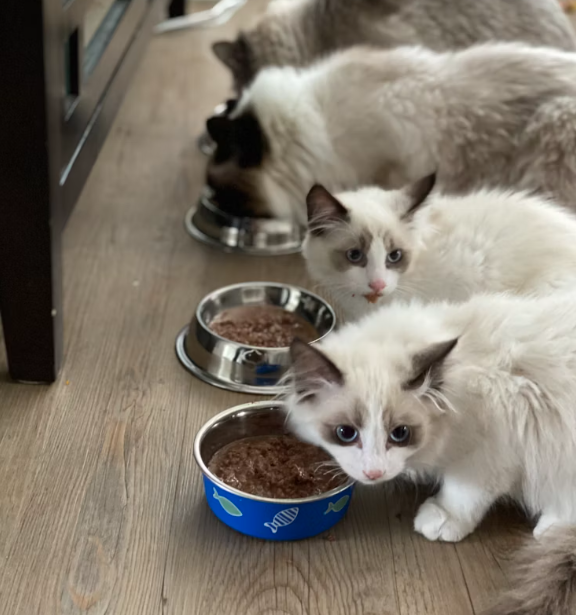
In a typical digestive process, cats swallow air along with their food, which can occasionally be released as a burp. This is usually harmless and infrequent. Cats may also burp after eating too quickly, a behavior known as “gorging”, which is common in multi-cat households where competition for food exists.
In most cases, occasional burping is considered normal, particularly if your cat seems otherwise healthy, active, and has a normal appetite.
Causes of Excessive Burping in Cats
Excessive burping, however, is different from the occasional belch. When your cat burps frequently, it could indicate one of several underlying issues. Here are some of the most common causes:
1. Eating Too Quickly
Cats that eat too quickly often swallow excess air, which can lead to frequent burping. This is especially common in kittens and multi-cat households.
Solutions:
-
Feed smaller, more frequent meals.
-
Use slow feeder bowls or puzzle feeders to reduce rapid eating.
2. Gastrointestinal Upset
Excess gas in the digestive tract can be caused by gastrointestinal disturbances, including:
-
Dietary intolerance: Some cats may be sensitive to certain ingredients in commercial cat food. Dairy products, for example, are a common trigger.
-
Sudden dietary changes: Switching cat food abruptly can upset the stomach and lead to burping, vomiting, or diarrhea.
-
Spoiled or contaminated food: Eating spoiled meat or garbage can introduce bacteria that produce excess gas.
Cat Expert Insight:
 “Burping, especially when accompanied by vomiting or diarrhea, often signals gastrointestinal distress,” explains Dr. Samantha Jennings, DVM, a feline health specialist at Community Veterinary Hospital in Garden Grove, CA., “Owners should monitor their cats closely and consider dietary adjustments or veterinary consultation.”
3. Hairballs and Swallowed Hair
Cats groom themselves frequently, which leads to hair ingestion. Hairballs can obstruct the stomach or intestines, slowing digestion and sometimes causing excess gas and burping. While hairballs are more commonly associated with vomiting, some cats may also burp as a way to relieve gastric pressure.
4. Gastroesophageal Reflux Disease (GERD)
Although less common in cats than in humans, some felines can suffer from GERD, a condition where stomach acid flows back into the esophagus. This can irritate the esophagus and cause frequent burping, regurgitation, or discomfort after meals.

Are you finding this article useful? Would you like 100% free access to more articles like these, and free access to over 5,000 vetted pet care service professionals throughout the United States? Sign up here for a free Petworks account, and we’ll email you a 10% discount code, good towards your first pet care services booking on Petworks!
5. Infections and Parasites
Bacterial or viral infections, as well as intestinal parasites like roundworms or giardia, can interfere with digestion and create excess gas. These issues are often accompanied by other symptoms such as diarrhea, vomiting, weight loss, or lethargy.
6. Medical Conditions
Certain underlying medical conditions can cause excessive burping in cats:
-
Inflammatory Bowel Disease (IBD): Chronic inflammation of the digestive tract can cause gas, burping, vomiting, and diarrhea.
-
Liver or pancreatic disease: These organs play critical roles in digestion. Dysfunction may lead to poor food breakdown and excessive gas.
-
Food allergies: Some cats develop allergies to proteins or grains, resulting in gastrointestinal upset, including burping.
Cat Expert Insight:
“Persistent burping should not be ignored, especially if it is accompanied by weight loss, vomiting, or changes in appetite,” says Dr. Eric Lawson, a feline internal medicine specialist at the Veterinary Teaching Hospital at Colorado State University. “It may be a symptom of a more serious systemic issue.”
When Burping Is a Concern
Occasional burping is typically harmless, but owners should be alert for warning signs that suggest a more serious issue. Consult your veterinarian immediately if you notice:
-
Burping accompanied by vomiting or diarrhea
-
Loss of appetite or sudden changes in eating habits
-
Weight loss or poor body condition
-
Signs of abdominal pain, such as hunching or reluctance to be touched
-
Lethargy or unusual behavior changes
Early intervention can prevent minor digestive issues from developing into serious conditions.
Diagnosing the Cause
A veterinarian may perform several tests to determine the reason behind your cat’s excessive burping:
-
Physical Exam: Checking the abdomen for pain, swelling, or masses.
-
Blood Work: Assessing liver, pancreas, and kidney function.
-
X-rays or Ultrasound: Detecting obstructions, tumors, or abnormal gas patterns in the stomach or intestines.
-
Fecal Testing: Screening for parasites or bacterial infections.
-
Dietary Trials: Identifying food intolerances or allergies through elimination diets.
Managing and Preventing Excessive Burping
The approach to managing excessive burping in cats depends on the underlying cause. Here are general strategies that can help:
1. Adjust Feeding Habits
-
Offer smaller, more frequent meals.
-
Use slow-feeder bowls to reduce air swallowing.
-
Avoid free-feeding in multi-cat households if competition leads to rapid eating.
2. Dietary Changes
-
Introduce easily digestible foods, such as those with limited ingredients or hypoallergenic formulas.
-
Avoid giving your cat dairy or human food that may upset the stomach.
-
Gradually transition between foods to prevent gastrointestinal stress.
3. Grooming and Hairball Control
-
Regular brushing reduces hair ingestion.
-
Hairball-formulated cat foods or supplements may reduce blockages.
4. Medical Treatment
-
For diagnosed GERD or IBD, your veterinarian may prescribe medications such as acid reducers or anti-inflammatory drugs.
-
Treat infections or parasites with appropriate medications.
-
Address organ-related diseases with specific therapeutic interventions guided by your veterinarian.
Home Monitoring and Observation
Even after addressing obvious causes, it’s important to monitor your cat’s digestive health. Keep a journal of:
-
Frequency and timing of burping
-
Diet and feeding schedules
-
Any accompanying symptoms (vomiting, diarrhea, lethargy)
This record helps your veterinarian or your cat nutritionist identify patterns and evaluate treatment effectiveness.
Cat Burping FAQs
Why does my cat burp so much?
A: Excessive burping in cats is usually caused by swallowed air, dietary issues, gastrointestinal upset, or underlying medical conditions. Cats that eat too quickly or consume foods that are hard to digest may swallow more air, leading to frequent burps.
Is it normal for a cat to burp occasionally?
A: Yes. Occasional burping is normal, especially after a meal. Most cats release small amounts of swallowed air naturally. Persistent or loud burping, however, may indicate an issue that needs attention.
Can a cat burping be a sign of illness?
A: Yes. Excessive burping can signal gastrointestinal problems such as inflammatory bowel disease (IBD), gastroesophageal reflux (GERD), infections, or food allergies. Other signs—like vomiting, diarrhea, lethargy, or loss of appetite—warrant a veterinary visit.
What causes excessive burping in cats?
A: Common causes include eating too quickly, swallowing air, food intolerances, hairballs, stress, GERD, or organ-related issues like liver or pancreatic disease.
Could my cat’s diet be making it burp?
A: Absolutely. Diets that are difficult to digest, contain fillers, or include dairy or human food can increase gas and burping. Sudden diet changes can also upset a cat’s stomach.
Can cats have heartburn like humans?
A: Yes, cats can experience acid reflux or gastroesophageal reflux, though it’s less common than in people. Signs may include burping, regurgitation, or discomfort after meals.
Should I be worried if my cat burps and vomits?
A: Yes. Burping accompanied by vomiting, diarrhea, or behavioral changes can indicate a serious digestive problem. Prompt veterinary evaluation is recommended.
More Cat Burping FAQs…
Do some cat breeds burp more than others?
A: While burping is not usually breed-specific, brachycephalic cats (flat-faced breeds like Persians) may swallow more air while eating, leading to occasional burping.
Can stress or anxiety make a cat burp?
A: Indirectly. Stressed or anxious cats may eat too quickly or swallow excess air, which can increase burping. Reducing stress and providing a calm feeding environment can help.
How can I prevent my cat from burping?
A: Feed smaller, frequent meals, use slow-feeder bowls or puzzle feeders, avoid sudden diet changes, and ensure your cat has access to easily digestible food. Regular grooming also helps reduce hairball-related issues.
Are burps in kittens more common than in adult cats?
A: Kittens may burp more often because they tend to eat quickly, swallow air, or have developing digestive systems. Most outgrow this behavior as they mature.
Can hairballs cause a cat to burp?
A: Yes. Hairballs can slow digestion or partially obstruct the stomach, causing gas buildup and occasional burping. Regular brushing and hairball prevention can reduce this issue.
When should I take my cat to the vet for burping?
A: Schedule a veterinary visit if burping is persistent, loud, or accompanied by vomiting, diarrhea, weight loss, or signs of discomfort.
Are there safe remedies for a cat with gas or burping?
A: Simple steps include adjusting feeding habits, offering easily digestible food, and ensuring hydration. Avoid giving human antacids or medications unless prescribed by a veterinarian.
Can burping indicate a blockage in my cat’s digestive system?
A: Yes. Intestinal or stomach blockages can cause gas, burping, vomiting, and pain. This is a medical emergency, and immediate veterinary care is essential.
Bottom Line
While occasional burping is normal in cats, excessive burping is rarely harmless. It can signal dietary issues, rapid eating, gastrointestinal upset, or more serious medical conditions such as GERD, IBD, or organ disease. Observing your cat’s behavior, monitoring diet, and seeking timely veterinary advice are crucial steps to ensuring your cat’s health and comfort.
“Cats can’t tell us when something is wrong,” emphasizes Dr. Jennings. “Pay attention to subtle signs like burping. They may be the first clue that your cat needs medical care.”
With proper care, dietary adjustments, and veterinary guidance, most causes of excessive burping can be managed successfully, helping your feline friend return to their normal, graceful self.
About Petworks
 In 2021, Dr. Marty Goldstein DVM joined the pet care platform Petworks as an advisor in its Animal Nutrition care division. Dr Marty Nature’s Blend is on a mission to help your pets live their healthiest lives possible. Dr. Marty’s pet nutrition expertise and guidance has helped Petworks evolve and become the preeminent animal and pet nutrition consultation service for pet parents in North America.
 In 2022, Blue Buffalo Founder Bill Bishop Jr. joined Petworks as Senior Advisor in our Animal Nutrition Care Division. Bill brings his extensive expertise in pet food innovation and business leadership. His guidance helps Petworks enhance our pet nutrition service offerings, helping to ensure that pet parents throughout the world receive trusted, science-backed nutritional support for their dogs, cats, and animals.
About The Author
 Petworks Co-Founder Kevin Kinyon is a life-long animal lover who works tirelessly to improve the lives of pets and their parents. Human and animal qualities he values most are integrity, humor, and empathy.

 petworks tm









what a fun post by petworks!