
As a pet parent, your dog’s health is a top priority. While dogs can’t speak for themselves, they communicate in ways that often indicate when something is wrong. Recognizing the early signs of dog illness can make a significant difference in your dog’s well-being, allowing you to seek treatment promptly and prevent complications. From subtle behavioral changes to more obvious physical symptoms, understanding what to watch for is key to keeping your furry friend happy and healthy.
Why Early Detection Matters
Detecting health issues early can save lives. Dogs are incredibly good at hiding discomfort. An instinctual behavior inherited from their wild ancestors. By the time symptoms become obvious, illnesses may have progressed, making treatment more difficult and recovery longer. Early detection helps in:
-
Faster Treatment: Identifying symptoms quickly allows your veterinarian to intervene sooner.
-
Reduced Suffering: Timely care can prevent pain or prolonged illness.
-
Improved Prognosis: Many illnesses are far more manageable when caught early.
 According to Dr. Sarah Johnson, DVM, “Pet owners who monitor their dog’s behavior and health regularly can often catch illnesses before they become serious, improving treatment outcomes significantly.”
Common Early Symptoms to Watch For
Recognizing subtle changes in your dog’s behavior and appearance is critical. Here are the most common early signs of dog illnesses:
Changes in Appetite or Thirst
A sudden loss of appetite or an unusual increase in thirst can indicate health problems such as kidney disease, diabetes, or infections. If your dog consistently refuses food, or starts drinking much more water than usual, it’s a red flag that warrants a veterinary visit and a consultation with a canine nutritionist.
Lethargy or Unusual Fatigue
Dogs naturally have periods of rest, but lethargy that lasts longer than usual can indicate an underlying issue. Conditions such as infections, anemia, heart disease, or thyroid problems often manifest as fatigue. Dr. James Lee, a canine health specialist, explains, “Persistent lethargy is one of the most overlooked symptoms. Owners may think their dog is just tired, but prolonged inactivity can signal a serious problem.”
Digestive Issues
Vomiting, diarrhea, constipation, or sudden changes in stool consistency are common indicators of illness. While occasional upset may be harmless, repeated digestive problems can point to gastrointestinal infections, parasites, or even organ dysfunction. Monitor the frequency, appearance, and smell of your dog’s stool to detect abnormalities.
Behavioral Changes
Sudden aggression, anxiety, clinginess, or withdrawal may be a sign of pain or neurological problems. Dogs can’t express discomfort verbally, so behavioral changes are often the first indicator something is wrong. Pay attention to patterns. If your usually playful dog starts avoiding interaction, it’s worth consulting a veterinarian.
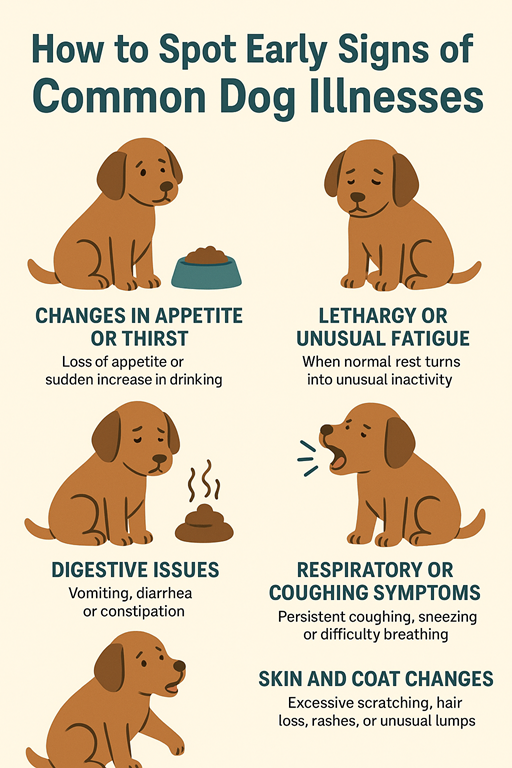
Respiratory or Coughing Symptoms
Persistent coughing, sneezing, wheezing, or labored breathing may indicate respiratory or heart issues. Conditions like kennel cough, bronchitis, or heart disease often start with subtle signs before progressing to more serious stages. Note if your dog seems short of breath during normal activities or shows unusual fatigue after exercise.
“Head pressing is always a sign of a serious neurological condition and requires immediate veterinary attention”, stresses Dr. Jerry Klein, Chief Veterinary Officer of the American Kennel Club.
Skin and Coat Changes
Excessive scratching, hair loss, rashes, lumps, or flaky skin can indicate allergies, infections, or even tumors. Regularly inspect your dog’s skin, coat, and paws. Early detection of skin conditions can prevent discomfort and secondary infections.

Are you finding this article useful? Would you like 100% free access to more articles like these, and free access to over 5,000 vetted pet care service professionals throughout the United States? Sign up here for a free Petworks account, and we’ll email you a 10% discount code, good towards your first pet care services booking on Petworks!
How to Monitor Your Dog’s Health at Home
Monitoring your dog’s health doesn’t require advanced medical knowledge, but consistent observation is crucial. Here are some tips:
-
Daily Observation: Check for changes in energy, appetite, weight, or mood.
-
Track Bathroom Habits: Note urination frequency, stool consistency, and accidents in the house.
-
Inspect Coat and Skin: Look for lumps, bumps, scratches, or unusual hair loss.
-
Record Changes: Keep a health journal or use a pet tracking app to monitor patterns over time.
Small observations can reveal early warning signs and help your veterinarian make more accurate diagnoses.
When to Call the Veterinarian
Not all changes indicate a life-threatening illness, but some symptoms require immediate veterinary attention:
-
Persistent vomiting or diarrhea lasting more than 24 hours
-
Difficulty breathing or severe coughing
-
Sudden loss of appetite or water refusal
-
Lethargy that prevents your dog from performing normal activities
-
Seizures or sudden behavioral changes
Routine visits are equally important. Even if your dog seems healthy, regular wellness checks can catch problems before they manifest as obvious symptoms.
Preventive Measures to Reduce Illness Risk
Prevention is always better than cure. Healthy lifestyle habits can minimize the risk of common dog illnesses:
-
Vaccinations: Protect against contagious diseases.
-
Regular Vet Checkups: Annual or semi-annual exams detect issues early.
-
Balanced Diet: Proper nutrition supports immune function and overall health.
-
Exercise: Regular activity keeps your dog fit and mentally stimulated.
-
Parasite Prevention: Fleas, ticks, and worms can lead to serious illness.
By combining vigilant monitoring with preventive care, you can catch early signs of illness and ensure your dog lives a long, healthy life.
FAQ
1. How can I tell if my dog is sick?
Monitor for changes in appetite, energy levels, behavior, or physical appearance. Persistent symptoms, especially vomiting, diarrhea, or lethargy, require a vet visit.
2. What are the first signs of illness in dogs?
Early signs include loss of appetite, increased thirst, lethargy, digestive issues, behavioral changes, coughing, or skin and coat abnormalities.
3. Are some dog breeds more prone to illness?
Yes. Certain breeds have predispositions to genetic conditions, heart disease, or joint problems. Consult your veterinarian for breed-specific advice.
4. How often should I check my dog for health changes?
Daily observation is ideal. A simple five-minute check each day can help catch subtle changes early.
5. When should I take my dog to the vet immediately?
If your dog shows persistent vomiting, diarrhea, labored breathing, seizures, severe lethargy, or sudden behavioral changes, seek immediate veterinary care.
Being attentive to your dog’s behavior, appetite, and overall appearance is the most effective way to spot early signs of illness. Dogs are masters at hiding pain, which makes daily observation and regular vet checkups essential. By recognizing subtle symptoms, acting quickly, and maintaining preventive care, you can help your dog live a healthier, happier life.
Remember, your vigilance can make all the difference. The sooner you detect a problem, the faster your veterinarian can provide care, ensuring your dog remains a joyful and energetic companion for years to come.
About Petworks
 In 2021, Dr. Marty Goldstein DVM joined the pet care platform Petworks as an advisor in its Animal Nutrition care division. Dr Marty Nature’s Blend is on a mission to help your pets live their healthiest lives possible. Dr. Marty’s pet nutrition expertise and guidance has helped Petworks evolve and become the preeminent animal and pet nutrition consultation service for pet parents in North America.
 In 2022, Blue Buffalo Founder Bill Bishop Jr. joined Petworks as Senior Advisor in our Animal Nutrition Care Division. Bill brings his extensive expertise in pet food innovation and business leadership. His guidance helps Petworks enhance our pet nutrition service offerings, helping to ensure that pet parents throughout the world receive trusted, science-backed nutritional support for their dogs, cats, and animals.
About The Author
 Petworks Co-Founder Kevin Kinyon is a life-long animal lover who works tirelessly to improve the lives of pets and their parents. Human and animal qualities he values most are integrity, humor, and empathy.

 petworks tm