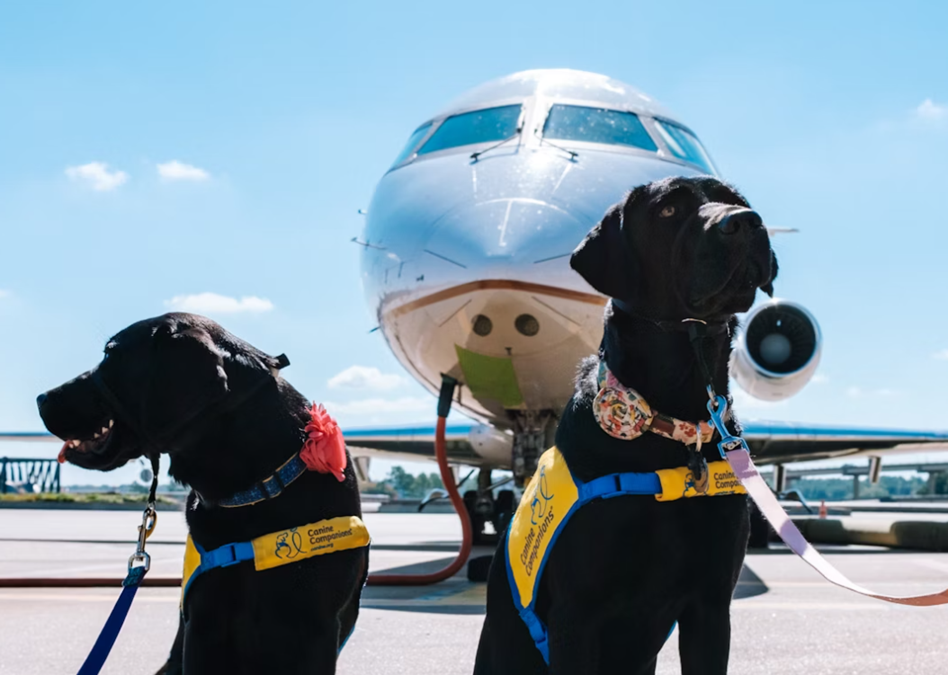
Flying with pets can feel overwhelming, especially if it’s your first time. Airlines have strict requirements, and you want to make sure your furry friend is safe, comfortable, and calm throughout the journey. Whether you’re moving, going on vacation, or relocating internationally, careful preparation will make flying with pets far less stressful. This guide covers everything you need to know. From paperwork and crate training to airline-approved carriers and pre-flight routines, so your dog or cat can travel safely and confidently.
Understand Airline Requirements for Flying With Pets
Before booking your ticket, research airline rules for flying with pets. Airlines have specific guidelines for pet carriers, weight limits, health certificates, and whether pets can fly in-cabin or must travel in the cargo hold. Some airlines allow small pets in-cabin under the seat in front of you, while others only permit pets as checked baggage or via cargo.
If you’re flying internationally, check destination country regulations as well. Many countries require additional vaccinations, import permits, and even quarantine periods. Contact the airline well in advance and make sure you have the latest requirements in writing. This step is very important. Without proper documentation, your pet may be denied boarding.
Get a Veterinary Health Certificate
One of the most important steps in preparing for flying with pets is getting a veterinary health certificate. Most airlines require this document to confirm that your dog or cat is healthy enough to travel. Schedule a vet appointment within 10 days of your flight to get a signed certificate, updated vaccination records, and any airline-specific paperwork completed.
If your pet has medical needs, talk to your veterinarian about whether air travel is safe. Your vet may also recommend a sedative-free calming aid or pheromone spray to help reduce anxiety during the flight.
Choose the Right Carrier or Crate
An airline-approved pet carrier or crate is essential for flying with pets. For in-cabin travel, the carrier must fit under the seat in front of you while giving your pet enough space to stand, turn, and lie down comfortably. For cargo travel, the crate must be IATA-approved and made of sturdy material with ventilation on all sides.
Label the crate with your contact information, your pet’s name, and a “Live Animal” sticker. Place a soft blanket or familiar bedding inside for comfort, along with an absorbent pad in case of accidents.
Crate Train Your Pet Before the Flight
Crate training is one of the most effective ways to reduce stress when flying with pets. A few weeks before the flight, let your pet get used to spending time inside the crate. Start by feeding them meals inside, adding toys, and rewarding calm behavior. Gradually increase the time they spend inside with the door closed so they see it as a safe, familiar space. Not a punishment.
A well-acclimated pet is far less likely to panic during transport. This step is especially important if your dog or cat is flying in cargo, where you won’t be able to comfort them during the flight.

Are you finding this article useful? Would you like 100% free access to more articles like these, and free access to over 5,000 vetted pet care service professionals throughout the United States? Sign up here for a free Petworks account, and we’ll email you a 10% discount code, good towards your first pet care services booking on Petworks!
Book Non-Stop Flights When Possible
Whenever possible, book direct, non-stop flights when flying with pets. Layovers and flight changes increase the risk of delays, lost luggage (including pet crates), and additional stress for your animal. Early morning or late-night flights can also help avoid extreme temperatures, which is important if your pet will be traveling in cargo.
If a layover is unavoidable, choose an airline that has a pet-friendly transfer process and climate-controlled holding areas for animals.
Plan Pre-Flight Meals and Exercise
Timing your pet’s meals is an important part of flight preparation. Feed your pet a light meal a few hours before the flight to avoid nausea. Overfeeding can lead to an upset stomach during travel.
Make sure your pet gets plenty of exercise before heading to the airport. A long walk or active play session can help burn off energy and reduce anxiety, making them more relaxed during the flight.
Pack a Pet Travel Kit
When flying with pets, always pack a small travel kit with essentials. Include a leash, collapsible water bowl, waste bags, a small bag of food, treats, and any necessary medications. If your pet is flying cargo, attach a small bag of food to the crate along with clear feeding instructions in case of flight delays.
Bringing a favorite toy or blanket can provide comfort and make the crate feel more familiar.
Check-In Early and Arrive Prepared
Arrive at the airport early to allow extra time for check-in and security procedures when flying with pets. Some airlines require you to check in at the ticket counter rather than online if you are traveling with an animal. Be ready to show your health certificate and verify that your crate or carrier meets size requirements.
Once on board, keep your pet calm by speaking softly and avoiding unnecessary disturbances.
Know What to Expect After Landing
After the flight, pick up your pet promptly — whether from the cabin or cargo area — and offer water right away. Give them time to relieve themselves and decompress from the journey. Some pets may feel disoriented after flying, so be patient and let them settle into their new environment gradually.
Consider a Professional Pet Transport Service
If flying with pets feels overwhelming, consider hiring a professional pet transportation service or flight nanny. These experts handle logistics, paperwork, and in-flight supervision, ensuring your dog or cat arrives safely with minimal stress. This option is especially helpful for international moves or when transporting multiple pets.
Flying With Pets…Making Flying With Pets Easier
Flying with pets doesn’t have to be stressful. With the right preparation — including vet visits, crate training, and careful planning — you can help your dog or cat travel safely and comfortably. Always check airline requirements in advance, choose a quality carrier, and book direct flights whenever possible.
Whether your furry companion is flying in-cabin or in cargo, preparation is the key to a smooth journey. By taking these steps, you’ll give your pet the best chance of a calm, stress-free flight and a happy arrival at your destination.
About Petworks
 In 2021, Dr. Marty Goldstein DVM joined the pet care platform Petworks as an advisor in its Animal Nutrition care division. Dr Marty Nature’s Blend is on a mission to help your pets live their healthiest lives possible. Dr. Marty’s pet nutrition expertise and guidance has helped Petworks evolve and become the preeminent animal and pet nutrition consultation service for pet parents in North America.
 In 2022, Blue Buffalo Founder Bill Bishop Jr. joined Petworks as Senior Advisor in our Animal Nutrition Care Division. Bill brings his extensive expertise in pet food innovation and business leadership. His guidance helps Petworks enhance our pet nutrition service offerings, helping to ensure that pet parents throughout the world receive trusted, science-backed nutritional support for their dogs, cats, and animals.
About The Author
 Petworks Co-Founder Kevin Kinyon is a life-long animal lover who works tirelessly to improve the lives of pets and their parents. Human and animal qualities he values most are integrity, humor, and empathy.

 petworks tm