
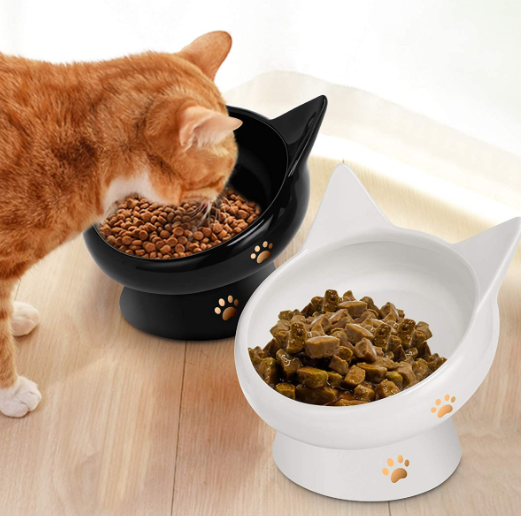
Cat Diets Explained: How to Choose the Best Nutrition Plan for Your Feline Friend. Choosing the right diet for your cat is one of the most important decisions you’ll make as a pet parent. A proper cat diet supports longevity, prevents disease, and keeps your feline friend happy and active. With so many cat food options on the market – dry, wet, raw, grain-free, and prescription, it can feel overwhelming. This guide will help you understand cat diets and how to select the best nutrition plan for your cat’s specific needs.
Understanding Your Cat’s Nutritional Needs
 Cats are obligate carnivores, which means they require nutrients found primarily in animal flesh. Unlike omnivores like dogs, cats need high levels of protein and specific amino acids, such as taurine and arginine, that they cannot synthesize on their own.
Key nutritional needs for cats include:
-
Animal-based proteins for muscle maintenance and energy.
-
Taurine, an essential amino acid for heart and eye health.
-
Arachidonic acid, a fatty acid only found in animal fats.
-
Vitamin A, which cats can’t convert from plants.
-
Water, especially important in preventing urinary and kidney issues.
Dry Food vs. Wet Food: Which Is Better?
Dry kibble is convenient and budget-friendly, but it has lower moisture content, which can lead to dehydration and urinary tract problems in some cats. It’s also often higher in carbohydrates than cats require.
Wet food, on the other hand, has high moisture content and closely mimics a cat’s natural prey in texture and nutrition. It helps keep cats hydrated and may benefit those prone to urinary or kidney issues. However, it can be more expensive and needs refrigeration once opened.
Best practice: Many veterinarians recommend a mixed feeding routine, combining wet food for hydration and taste with dry food for dental benefits and convenience.
Grain-Free Cat Diets: Are They Necessary?
Grain-free cat diets have become popular, especially among pet parents concerned about allergies. While true food allergies in cats are rare, some cats may benefit from grain-free formulas if they have digestive sensitivities.
However, it’s essential to note that cats are more likely to be allergic to proteins (like chicken or beef) than grains. Also, some grain-free formulas substitute grains with high-carb ingredients like potatoes or peas, which aren’t ideal for obligate carnivores.
Unless your veterinarian has identified a grain sensitivity, there is no nutritional advantage to choosing grain-free cat food over a balanced, meat-first formula.
Raw and Homemade Cat Diets: Are They Safe?
Raw and homemade cat diets are gaining popularity among pet parents seeking a more natural or holistic approach to feline nutrition. These diets can offer benefits such as fewer fillers and more whole foods, but they must be carefully balanced.
Risks of raw diets include:
-
Bacterial contamination (e.g., Salmonella, E. coli)
-
Nutritional imbalances
-
Bone fragments posing choking or internal injury hazards
 If you are considering a raw or homemade diet, it’s critical to work with a veterinary nutritionist to ensure your cat receives all essential nutrients. Poorly formulated homemade diets can lead to serious health issues over time.
Life Stage Nutrition: Kittens, Adults, and Seniors
Cats have different dietary needs depending on their life stage.
-
Kittens need more protein, fat, and calories to support rapid growth and development. Look for diets specifically formulated for kittens.
-
Adult cats (ages 1–7) need balanced maintenance diets that support a healthy weight, shiny coat, and good digestion.
-
Senior cats (7+ years) may benefit from diets that support joint health, kidney function, and are easier to digest.
Always choose a diet appropriate for your cat’s life stage. Transition gradually to new formulas to avoid digestive upset.

Did you find this article useful? Would you like 100% free access to more articles like these, and free access to over 5,000 vetted pet care service professionals throughout the United States? Sign up here for a free Petworks account, and take 10% off your first booking, on us!
Special Diets for Health Conditions
Some cats require prescription or therapeutic diets to manage chronic health issues. Examples include:
-
Renal diets for kidney disease
-
Urinary health diets for cats prone to stones or crystals
-
Weight management diets for obesity
-
Hypoallergenic diets for food sensitivities
-
Diabetic diets that control blood sugar levels
These diets are formulated to meet specific medical needs and should only be used under veterinary supervision. Feeding the wrong formula to a healthy cat can cause unintended harm.
Reading Cat Food Labels: What to Look For
Choosing the right food also means knowing how to read cat food labels. Here’s what to look for:
-
Named protein as the first ingredient (e.g., chicken, turkey, salmon)
-
AAFCO statement confirming the food meets nutritional standards for your cat’s life stage
-
Limited fillers such as corn, soy, or by-products
-
No artificial colors or preservatives
Avoid cat foods that rely heavily on vague ingredients like “meat meal” or “animal digest.”
How to Transition to a New Cat Diet
When switching your cat to a new diet, gradually mix the new food with the old over 7–10 days. Sudden dietary changes can cause gastrointestinal upset, including vomiting or diarrhea.
Start with 75% old food and 25% new food, slowly shifting the ratio until your cat is fully on the new diet. Monitor your cat’s energy level, appetite, stool consistency, and coat condition during the transition.
“A healthful diet is the cornerstone of a cat’s vitality. Without proper nutrition, even the most playful spirit can fade. Every bite your cat takes is a building block for their energy, longevity, and emotional well-being. Feed wisely, and you’re not just sustaining their body. You’re strengthening the lifelong bond you share.” – Kevin Kinyon, Co-Founder, Petworks.
Consulting a Feline Nutritionist
If you’re unsure about your cat’s diet, consider consulting a clinical pet nutritionist or your veterinarian. Nutritionists can help tailor a diet based on your cat’s age, breed, activity level, and health conditions. This is especially helpful if your cat has allergies, weight issues, or chronic illnesses.
Choose With Care and Confidence
A balanced, species-appropriate diet is key to your cat’s lifelong well-being. By understanding your cat’s nutritional needs and exploring various food options: from wet and dry to specialty and homemade, you can make an informed decision that supports your feline friend’s health and happiness.
Whether you’re raising a rambunctious kitten, caring for a calm adult, or supporting a senior cat, the right diet can make a significant difference. When in doubt, seek guidance from a pet nutrition expert to ensure your choices are backed by science, not marketing.
 In 2021, Dr. Marty Goldstein DVM joined the pet care platform Petworks as an advisor in its Animal Nutrition care division. Dr Marty Nature’s Blend is on a mission to help your pets live their healthiest lives possible. Dr. Marty’s pet nutrition expertise and guidance has helped Petworks evolve and become the preeminent animal and pet nutrition consultation service for pet parents in North America.
 In 2022, Blue Buffalo Founder Bill Bishop Jr. joined Petworks as Senior Advisor in our Animal Nutrition Care Division. Bill brings his extensive expertise in pet food innovation and business leadership. His guidance helps Petworks enhance our pet nutrition service offerings, helping to ensure that pet parents throughout the world receive trusted, science-backed nutritional support for their dogs, cats, and animals.
About The Author

Petworks Co-Founder Kevin Kinyon is a life-long animal lover who works tirelessly to improve the lives of pets and their parents. Human and animal qualities he values most are integrity, humor, and empathy.

 petworks tm









I like what you guys do way more than Rover and Wag!
Thank you Petworks
Write more!
Thanks for your article
Thanks for discussing your ideas listed here!