Great Dane Colors: A Guide to the Stunning Coat Variations. Beyond their impressive size and gentle nature, Great Danes captivate with a diverse array of coat colors. While the American Kennel Club (AKC) recognizes specific standard colors, numerous unique variations exist, each with its own genetic basis and aesthetic appeal. This guide explores the spectrum of Great Dane coat colors, from established standards to rare rarities.
AKC Standard Great Dane Colors:
The AKC officially recognizes seven standard Great Dane coat colors. These colors are widely accepted in conformation shows and adhere to breed standards.
1. Fawn
Fawn is one of the most recognizable Great Dane colors. It features a yellow-gold base coat with a black mask, which typically extends over the eyes and muzzle. Fawn Great Danes often have dark ears and tail tips. This classic color is popular due to its regal appearance and is frequently seen in show rings.
2. Brindle
Brindle Great Danes have a tiger-stripe pattern over a fawn base coat. The striping varies in thickness and can appear more pronounced in some dogs than others. The ideal brindle pattern consists of dark, well-defined stripes over a rich golden-yellow background. Like fawns, brindle Great Danes also have a black mask and dark ears.
3. Blue
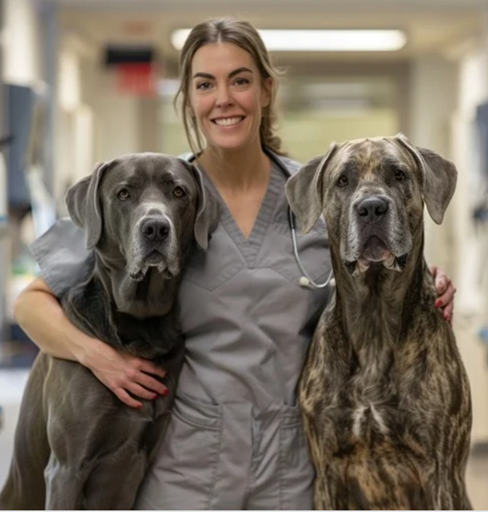
Blue Great Danes exhibit a solid steel-blue coat due to a recessive dilution gene affecting black pigment. This color gives them an elegant and sophisticated look. Blue Great Danes often have lighter eyes and may sometimes feature minimal white markings on their chest and paws.
4. Black
Black Great Danes boast a deep, glossy black coat. Ideally, they should have no other markings, though small white patches on the chest or toes are sometimes present. Black Danes are particularly striking due to their sleek and powerful appearance.
5. Harlequin
Harlequin Great Danes have a white base coat covered with irregular black patches, creating a unique and dramatic pattern. No two harlequins have identical markings, making each one unique. Harlequins often have blue or mismatched eyes, adding to their distinctive charm. This pattern is the result of a complex genetic combination and is one of the most sought-after variations in the breed.
6. Mantle
Mantle Great Danes have a black-and-white coat similar to a Boston Terrier’s pattern. Their bodies are primarily black with a white chest, legs, and a white-tipped tail. A white blaze on the face is common. This color variation was previously called “Boston” due to its resemblance to the Boston Terrier but is now officially recognized as Mantle.
7. Merle
Merle Great Danes display a mottled gray coat with darker gray or black patches. The merle pattern is a variation of harlequin and results from the same merle gene. Though historically not accepted in conformation shows, merle is now an officially recognized color in the breed standard. These Danes often have blue or marbled eyes and are frequently used in breeding programs to produce harlequin offspring.

Are you finding this article useful? Would you like 100% free access to more articles like these, and free access to over 5,000 vetted pet care service professionals throughout the United States? Sign up here for a free Petworks account, and we’ll email you a 10% discount code, good towards your first pet care services booking on Petworks!
Rare and Non-Standard Great Dane Colors:
These variations are not recognized by the AKC but are admired by enthusiasts:
White: Often a result of double merle breeding, associated with potential health issues like deafness and vision impairment.
Chocolate: A rich brown coat, stemming from a recessive gene.
Lilac (Isabella): A diluted chocolate coat, presenting a pale, dusty lavender hue, caused by multiple dilution genes.
Understanding the Genetics of Great Dane Coat Colors:
Coat colors are determined by specific genes controlling pigment production and distribution:
- K Locus (Dominant Black): Influences solid black versus fawn/brindle base.
- B Locus (Brown/Chocolate): Determines black or brown coat color.
- D Locus (Dilution): Dilutes black to blue and brown to lilac.
- M Locus (Merle): Controls the merle pattern.
- H Locus (Harlequin): Interacts with the merle gene for the harlequin pattern.
 Responsible breeding practices are crucial to ensure healthy coat colors and minimize genetic risks.
Dr. Greavu-Rachow emphasizes the complexity of Great Dane coat color genetics: “As a rule of thumb, the more coat colors that occur in a breed, the more genes that are needed to explain the genotype and phenotype.”
This highlights the intricate genetic factors influencing the breed’s diverse color patterns.
Great Dane Club of America (GDCA) Color Code
The GDCA’s color code outlines breeding restrictions to maintain breed standards: “A Blue cannot be bred to a Fawn or Brindle. This eliminates tainting the Fawn/Brindle gene pool with the d blue-dilution allele.”
This policy aims to preserve the integrity of recognized color patterns within the breed.
Choosing a Great Dane Based on Color
While color preference is valid, health and temperament should be primary considerations. Show dogs require AKC-recognized colors, while pet owners have broader options. Understanding coat color genetics aids in informed decision-making.
Great Dane Colors FAQ – Harlequin, Merle, Mantle & More
What are the recognized Great Dane colors?
Great Danes come in fawn, brindle, blue, black, harlequin, mantle, and merle. Some kennel clubs only accept certain colors for shows, but all are beautiful pets.
What is a Harlequin Great Dane?
A Harlequin Great Dane has a white coat with irregular black patches. Unlike merle, the Harlequin pattern is more distinct and striking.
How is a Merle Great Dane different from a Harlequin?
Merle Great Danes have a diluted base color with darker patches, while Harlequins have a white base with black patches. Merle patterns can also affect eye color.
Can Great Dane puppies change color as they grow?
Yes! Fawn, brindle, and merle puppies often change shade or develop new markings as they mature.
Are certain colors linked to health issues?
Some colors, like merle, can be associated with genetic health risks if bred improperly. Responsible breeders follow strict guidelines to keep puppies healthy.
What is a Mantle Great Dane?
A Mantle Great Dane has a black-and-white “cape” pattern over the back, which is different from the irregular patches of a Harlequin.
Do coat colors affect temperament?
No. Temperament is determined by genetics, socialization, and training—not coat color.
Are some Great Dane colors rarer or more expensive?
Yes. Harlequin and merle colors are often in higher demand, making them less common and sometimes more expensive.
Can my Great Dane’s color fade over time?
Yes. Dark or vibrant coats can lighten slightly as the dog ages, which is normal and doesn’t affect health.
Are there breeding restrictions based on color?
Absolutely. For example, breeding two merle Great Danes is avoided due to higher risks of genetic health problems in puppies.
Great Danes, often referred to as “gentle giants,” possess a unique canine behavioral blend of affection, loyalty, and surprising sensitivity. Despite their imposing size, they are typically very people-oriented, forming strong bonds with their families. They are known to be particularly good with children, displaying patience and a gentle demeanor. However, their sheer size necessitates early and consistent training to prevent accidental bumps or knocks. Socialization is also crucial, as their protective instincts can lead to wariness of unfamiliar people or animals. While they are not excessively energetic, they do require regular exercise to maintain their physical and mental well-being. Great Danes can be prone to certain behaviors related to their size, such as leaning or “lap dog” tendencies, where they are unaware of their large mass. Therefore, careful management and training are essential to ensure a well-behaved and happy Great Dane.
About Petworks
 In 2021, Dr. Marty Goldstein DVM joined the pet care platform Petworks as an advisor in its Animal Nutrition care division. Dr Marty Nature’s Blend is on a mission to help your pets live their healthiest lives possible. Dr. Marty’s pet nutrition expertise and guidance has helped Petworks evolve and become the preeminent animal and pet nutrition consultation service for pet parents in North America.
 In 2022, Blue Buffalo Founder Bill Bishop Jr. joined Petworks as Senior Advisor in our Animal Nutrition Care Division. Bill brings his extensive expertise in pet food innovation and business leadership. His guidance helps Petworks enhance our pet nutrition service offerings, helping to ensure that pet parents throughout the world receive trusted, science-backed nutritional support for their dogs, cats, and animals.
About The Author
 Petworks Co-Founder Kevin Kinyon is a life-long animal lover who works tirelessly to improve the lives of pets and their parents. Human and animal qualities he values most are integrity, humor, and empathy.

 petworks tm