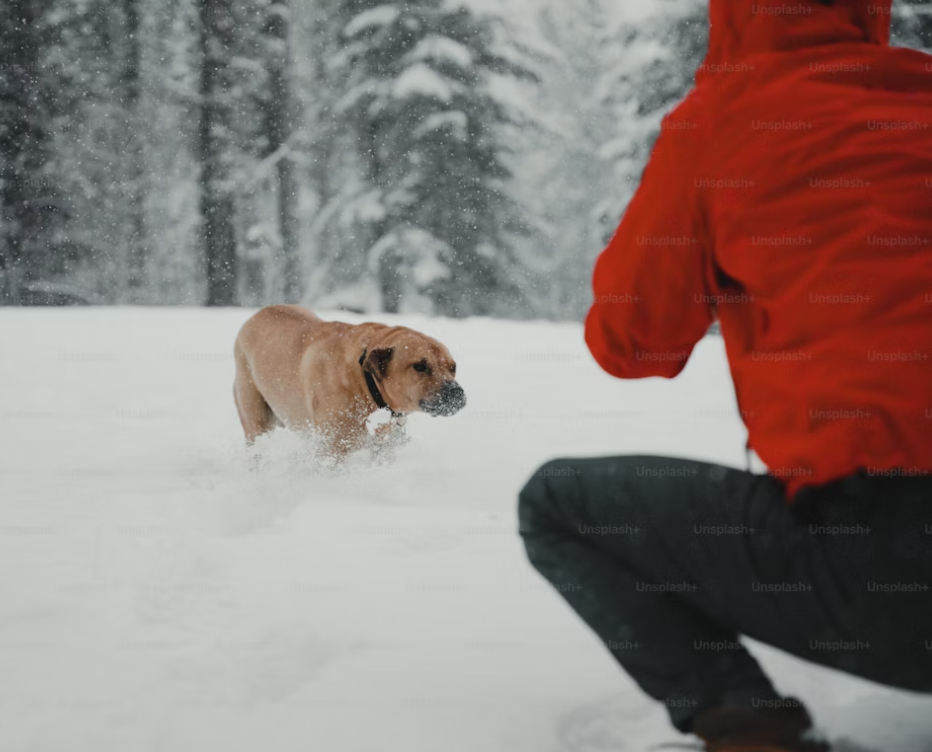
As the seasons turn colder, many pet parents notice that their senior dogs slow down, resist walks, or show signs of discomfort. For older dogs, winter can be particularly challenging because cold weather often worsens old dog arthritis and other joint issues. Keeping your senior dog healthy and mobile during the winter months requires a mix of preventative care, home adjustments, and lifestyle modifications.
In this guide, we’ll cover practical tips to protect your elderly dog’s joints, help them stay active, and ensure they enjoy the winter season safely and comfortably.
Why Winter Can Be Hard on Senior Dogs
Just like humans, senior dogs are more susceptible to cold and stiff joints. Arthritis, hip dysplasia, and other age-related conditions can make winter walks more painful. Cold temperatures can tighten muscles, exacerbate joint pain, and reduce mobility, which may cause your dog to limit movement.
Signs your dog may be struggling in winter include:
-
Reluctance to walk or climb stairs
-
Limping or favoring a leg
-
Stiffness after sleeping or resting
-
Decreased activity levels
-
Whining or other signs of discomfort
 If your senior dog is showing these symptoms, it could indicate arthritis in older dogs or other joint-related problems. Consulting your veterinarian is crucial to develop a tailored winter care plan.
1. Keep Your Senior Dog Warm
One of the simplest yet most effective ways to protect your senior dog’s joints in winter is keeping them warm. Cold temperatures can worsen old dog arthritis, so providing insulation and warmth is key.
Tips for warmth:
-
Dog sweaters or coats: Opt for a fleece-lined or waterproof coat for short-haired or small breeds.
-
Heated beds or blankets: Give your dog a warm, supportive place to rest, which helps reduce joint stiffness.
-
Limit exposure to extreme cold: Avoid prolonged walks during icy or frigid weather, especially for dogs with arthritis or mobility issues.
Maintaining a cozy environment supports joint comfort and encourages your senior dog to remain active.
2. Adjust Exercise for Winter
Exercise is crucial for maintaining mobility in older dogs, but winter weather may require modifications. While movement helps prevent stiffness, ice, snow, and slippery surfaces can increase the risk of falls and injuries.
Winter exercise tips for senior dogs:
-
Shorter, more frequent walks: Multiple brief walks can keep joints moving without overexertion.
-
Indoor activities: Games like fetch in a hallway, hide-and-seek, or puzzle toys can stimulate both body and mind.
-
Warm-up before walks: Gentle stretching or slow indoor play helps loosen stiff joints.
-
Avoid icy areas: Prevent slips and injuries by staying on cleared paths or using paw protection.
Proper exercise helps combat arthritis in older dogs while supporting cardiovascular health and overall well-being.
3. Support Joint Health with Diet and Supplements
Nutrition plays a vital role in managing old dog arthritis and supporting joint health in senior dogs. Certain diets and supplements can reduce inflammation, improve cartilage health, and maintain mobility.
Dietary recommendations:
-
Weight management: Extra pounds increase stress on joints. Maintaining a healthy weight helps prevent further strain on arthritic joints.
-
Joint-supportive diets: Some commercial senior dog foods contain glucosamine, chondroitin, and omega-3 fatty acids to support joint health.
-
Supplements: Consult your veterinarian about supplements like glucosamine, chondroitin, or fish oil, which can reduce inflammation and improve comfort.
A tailored senior dog diet and supplementation plan can make a significant difference in your senior dog’s winter mobility and overall comfort.
Expert Quote:
4. Provide Safe, Comfortable Flooring
Slippery surfaces like tile, hardwood, or icy sidewalks can exacerbate joint problems in older dogs. Proper flooring and paw protection can reduce pain and prevent injuries.
Flooring tips:
-
Use non-slip rugs or mats in areas where your dog walks or rests frequently.
-
Consider dog booties for outdoor walks to provide traction and protect paws from ice and salt.
-
Clear snow and ice from walkways to reduce the risk of slips and falls.
Keeping your dog stable helps protect elderly dog joints from unnecessary strain.
5. Regular Vet Check-Ups
Winter can reveal or worsen arthritis in older dogs, making regular veterinary visits essential. Your veterinarian can assess joint health, recommend pain management, and provide guidance on safe winter activity.
Vet interventions may include:
-
Prescription anti-inflammatory medications for arthritis
-
Physical therapy or hydrotherapy to maintain mobility
-
Joint injections or supplements for severe osteoarthritis
-
Customized exercise and weight management plans
Frequent check-ups ensure your senior dog stays comfortable and active throughout the colder months.

Are you finding this article useful? Would you like 100% free access to more articles like these, and free access to over 5,000 vetted pet care service professionals throughout the United States? Sign up here for a free Petworks account, and we’ll email you a 10% discount code, good towards your first pet care services booking on Petworks!
6. Use Physical Therapy and Mobility Aids
For dogs struggling with arthritis or mobility issues, physical therapy, animal massage, and mobility aids can make a dramatic difference.
Mobility support tips:
-
Physical therapy or hydrotherapy: Helps strengthen muscles, improve flexibility, and reduce pain.
-
Support harnesses: Provide assistance for dogs with weak hips or knees, especially during stairs or outdoor walks.
-
Orthopedic beds: Reduce pressure on joints and improve sleep quality.
-
Ramp or stairs for furniture: Prevents jumping, which can aggravate joints.
These tools are especially helpful in winter when reduced activity can lead to muscle stiffness.
7. Monitor for Pain and Behavioral Changes
Older dogs often hide discomfort, so vigilant observation is key. Look for subtle signs of arthritis in senior dogs:
-
Reluctance to jump or climb stairs
-
Favoring one leg or limping
-
Changes in temperament (irritability, withdrawal)
-
Decreased interest in walks or play
Early detection allows for timely intervention, improving comfort and mobility during winter.
8. Mental Stimulation Matters
Winter can limit outdoor activity, which may lead to boredom or weight gain in senior dogs. Mental stimulation complements physical activity and can improve overall quality of life.
Indoor enrichment ideas:
-
Puzzle feeders and treat-dispensing toys
-
Training sessions or scent games
-
Interactive toys for problem-solving and engagement
Keeping the mind active encourages gentle movement and reduces stress, indirectly supporting joint health.
9. Cold Weather Safety Tips
In addition to mobility concerns, winter presents other hazards for senior dogs:
-
Frostbite and hypothermia: Especially in smaller or short-haired breeds.
-
Toxic chemicals: Antifreeze and ice-melt salts are dangerous if ingested.
-
Limited visibility: Shorter daylight hours make reflective collars or leashes helpful for safety.
Protecting your dog from environmental hazards ensures that arthritis or joint problems don’t become compounded by preventable winter injuries.
Winter doesn’t have to be a season of discomfort for senior dogs. By focusing on warmth, tailored exercise, nutrition, joint support, and safety, you can protect your dog’s joints and mobility while managing old dog arthritis effectively.
Key takeaways for winter joint care:
-
Keep your senior dog warm with coats, heated beds, and blankets
-
Adjust exercise routines and encourage indoor activities
-
Support joints with diet, supplements, and vet-approved therapies
-
Create safe, non-slip walking areas indoors and outdoors
-
Monitor for pain, stiffness, and behavioral changes
-
Use mobility aids and provide mental enrichment
With thoughtful winter care, your senior dog can remain active, comfortable, and happy throughout the cold months.
About Petworks
 In 2021, Dr. Marty Goldstein DVM joined the pet care platform Petworks as an advisor in its Animal Nutrition care division. Dr Marty Nature’s Blend is on a mission to help your pets live their healthiest lives possible. Dr. Marty’s pet nutrition expertise and guidance has helped Petworks evolve and become the preeminent animal and pet nutrition consultation service for pet parents in North America.
 In 2022, Blue Buffalo Founder Bill Bishop Jr. joined Petworks as Senior Advisor in our Animal Nutrition Care Division. Bill brings his extensive expertise in pet food innovation and business leadership. His guidance helps Petworks enhance our pet nutrition service offerings, helping to ensure that pet parents throughout the world receive trusted, science-backed nutritional support for their dogs, cats, and animals.
About The Author
 Petworks Co-Founder Kevin Kinyon is a life-long animal lover who works tirelessly to improve the lives of pets and their parents. Human and animal qualities he values most are integrity, humor, and empathy.

 petworks tm