
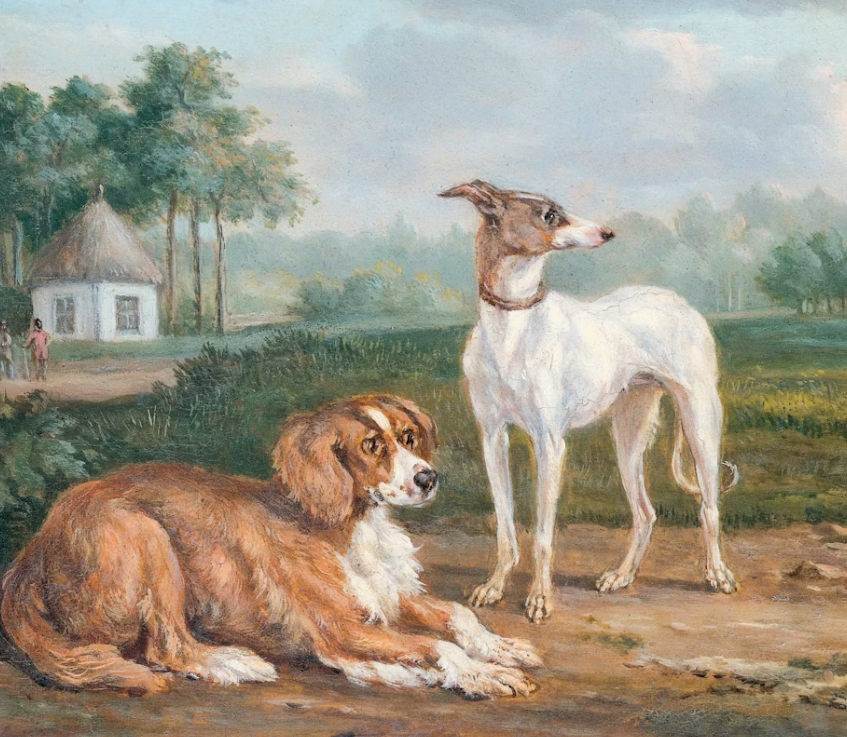
Pet portraits are a timeless way to celebrate your furry friends, capturing their personality and spirit in a beautiful work of art. Whether you’re commissioning a pet portrait painting or a digital illustration, the key to a stunning final piece often starts with the quality of the photo you provide. A well-prepared photo ensures your artist can accurately translate your pet’s unique features, expressions, and personality onto canvas. In this article, we’ll cover everything you need to know about taking the perfect photo for your pet portrait commission, including practical tips, common mistakes to avoid, and how to get your pet ready for their close-up.
Why the Right Photo Matters for Pet Portraits from Photos
When commissioning pet portraits from photos, the artist relies entirely on the images you provide. Unlike live sessions where the artist can adjust poses, lighting, and angles, a photo is a static reference. Therefore:
-
Clear, high-quality photos help capture fine details like fur texture, eye color, and facial markings.
-
Properly lit images prevent the artist from guessing shadows or highlights.
-
Multiple reference photos can capture different angles or expressions, helping the portrait feel lifelike and personal.
 “Here’s the bottom line: The better the reference photos are, the better the finished pet portrait painting will be.” – Nathan Rhoads, Artist and Pet Portrait Painter
Choosing the Right Photo for Your Pet Portrait
1. Focus on Clarity and Resolution
When preparing photos for pet portrait paintings, clarity is critical. Use a camera or smartphone that can capture high-resolution images. Avoid blurry or grainy shots, as these can make it difficult for the artist to see details like whiskers, fur patterns, or eye color.
Tips for clear photos:
-
Use natural daylight whenever possible. Indoor lighting can cause unwanted shadows or color distortion.
-
Avoid digital zoom, which can reduce photo quality. Move closer instead.
-
Take multiple shots to ensure at least one is sharp and well-focused.
2. Capture Your Pet’s Personality
A pet portrait should reflect more than just physical appearance—it should capture your pet’s personality and essence. Consider your pet’s favorite expressions, moods, or quirks.
-
Play with toys or treats to get natural expressions.
-
Capture action shots if your pet is playful or energetic.
-
Sit quietly to photograph calm or regal poses for a more traditional portrait.
Including personality cues helps the artist create a portrait that feels truly alive and personal.
3. Include Multiple Angles
While a single good photo can be enough, providing multiple angles gives the artist a better sense of your pet’s features and proportions. Common angles include:
-
Front-facing (full-face)
-
Profile (side view)
-
Three-quarter view (angle between front and side)
Some artists also appreciate close-ups of unique features, such as markings, eye color, or paws, especially if these details are essential to the portrait.
4. Consider Lighting and Background
Lighting is one of the most overlooked elements when taking photos for pet portraits from photos. Soft, natural lighting works best and avoids harsh shadows or glare.
-
Outdoor lighting on a cloudy day or indirect sunlight indoors works well.
-
Avoid bright overhead lights or harsh flashes, which can wash out colors or create red-eye.
-
Simple, uncluttered backgrounds help the artist focus on your pet rather than distractions. Neutral or solid-colored backdrops often work best.

Are you finding this article useful? Would you like 100% free access to more articles like these, and free access to over 5,000 vetted pet care service professionals throughout the United States? Sign up here for a free Petworks account, and we’ll email you a 10% discount code, good towards your first pet care services booking on Petworks!
5. Pose and Composition Tips
Good composition ensures your pet is the focal point of the portrait. Here are some tips:
-
Keep your pet centered in the frame.
-
Avoid cutting off ears, tails, or paws unless intentional.
-
Eye level shots tend to feel more intimate and engaging.
-
Leave some space around your pet so the artist can crop or adjust composition as needed.
Remember, small adjustments in posture or angle can significantly improve the final artwork.
Practical Steps to Prepare Your Pet
Pets can be unpredictable, so preparation is essential.
-
Exercise and Play First – If your pet is energetic, a short play session before the photo can help them settle.
-
Grooming Matters – Brush fur, clean ears, and wipe eyes to ensure they look their best.
-
Have Treats or Toys Ready – Rewards help capture attention and natural expressions.
-
Be Patient – Pets may not pose perfectly on the first try. Take breaks and try multiple sessions if needed.
Common Mistakes to Avoid When Taking Pet Portrait Photos
Even minor mistakes can impact the quality of a pet portrait painting. Avoid these pitfalls:
-
Blurry or low-resolution images – They make it difficult for the artist to see fine details.
-
Poor lighting – Shadows or harsh light can obscure key features.
-
Cluttered background – Distracting elements take focus away from your pet.
-
Unnatural expressions or forced poses – Portraits look best when your pet’s personality shines through.
-
Limited reference photos – Providing only one angle can restrict the artist’s ability to create a realistic, full-bodied portrait.
“A reference photo can make or break your portrait. As your artist, there is a high chance I have never met your pet or spent time with them.” – Gayle Newcombe, Pet Portrait Artist
Digital vs. Traditional Pet Portraits
Whether your pet portrait will be a digital illustration, watercolor, or oil painting, the photo requirements are similar, but some nuances differ:
-
Digital Portraits: Artists can adjust lighting and color more easily, but clear, high-resolution images are still preferred.
-
Traditional Paintings: Details like fur texture and eye reflections are more dependent on accurate photo references.
Some artists may request color calibration tips, such as checking your monitor or including a small color card in the photo, to ensure the painting matches your pet’s true colors.
Tips for Working with Your Pet Portrait Artist
Once you have the perfect photos, clear communication with your artist is key:
-
Send multiple reference photos showing different angles and expressions.
-
Highlight any specific features or quirks you want emphasized.
-
Share the story or personality of your pet to help the artist capture their essence.
-
Ask about preferred photo format, size, or resolution.
Professional artists often have their own guidelines, so following their recommendations ensures the best results.
Creating the Perfect Pet Portrait
Taking the perfect photo for your pet portrait commission may take some time and patience, but the results are worth it. Clear, well-lit images that showcase your pet’s personality and unique features provide your artist with everything they need to create a portrait you’ll treasure forever. By paying attention to lighting, composition, and multiple angles, and by preparing your pet ahead of time, you’ll give your artist the tools to bring your furry friend to life on canvas.
Investing effort into taking the right photos ensures that your commissioned pet portrait painting becomes a timeless keepsake. One that captures the love, joy, and individuality of your furry companion for years to come.
About Petworks
 In 2021, Dr. Marty Goldstein DVM joined the pet care platform Petworks as an advisor in its Animal Nutrition care division. Dr Marty Nature’s Blend is on a mission to help your pets live their healthiest lives possible. Dr. Marty’s pet nutrition expertise and guidance has helped Petworks evolve and become the preeminent animal and pet nutrition consultation service for pet parents in North America.
 In 2022, Blue Buffalo Founder Bill Bishop Jr. joined Petworks as Senior Advisor in our Animal Nutrition Care Division. Bill brings his extensive expertise in pet food innovation and business leadership. His guidance helps Petworks enhance our pet nutrition service offerings, helping to ensure that pet parents throughout the world receive trusted, science-backed nutritional support for their dogs, cats, and animals.
About The Author
 Petworks Co-Founder Kevin Kinyon is a life-long animal lover who works tirelessly to improve the lives of pets and their parents. Human and animal qualities he values most are integrity, humor, and empathy.

 petworks tm







informative article, thank you petworks.