
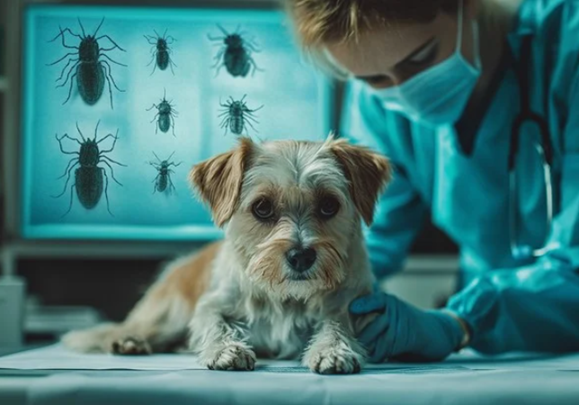
Intestinal Parasites in Dogs: Identification, Prevention, and Treatment. Intestinal parasites are a common but serious health concern for dogs. These parasites, including worms and protozoa, can cause digestive issues, weight loss, anemia, and more severe complications if left untreated. Understanding the types of intestinal parasites, their symptoms, prevention methods, and treatment options is crucial for ensuring the well-being of your canine companion.
Common Types of Intestinal Parasites in Dogs
1. Roundworms (Toxocara canis, Toxascaris leonina)
Roundworms are one of the most common intestinal parasites in dogs. Puppies can contract them from their mother before birth or through nursing. These worms live in the intestines and feed on partially digested food.
Symptoms:
- Pot-bellied appearance
- Vomiting and diarrhea
- Weight loss
- Dull coat
Transmission:
- Ingesting roundworm eggs from contaminated soil or feces
- Transmission from mother to puppy
2. Hookworms (Ancylostoma caninum, Uncinaria stenocephala)
Hookworms are small, thin worms that attach to the intestinal wall and feed on the dog’s blood, causing anemia and weakness.
Symptoms:
- Bloody or dark, tarry stools
- Pale gums
- Weakness and lethargy
- Weight loss
Transmission:
- Ingesting larvae from contaminated environments
- Skin penetration by larvae
- Passed from mother to puppies through milk
3. Tapeworms (Dipylidium caninum, Taenia species)
Tapeworms are segmented parasites that attach to the intestinal lining. Dogs become infected when they ingest fleas carrying tapeworm larvae.
Symptoms:
- Scooting (dragging rear on the ground)
- Visible rice-like segments in feces or around the anus
- Mild digestive discomfort
Transmission:
- Ingesting an infected flea
- Eating raw meat or prey animals
4. Whipworms (Trichuris vulpis)
Whipworms reside in the large intestine and can cause severe gastrointestinal issues if left untreated.
Symptoms:
- Chronic diarrhea with mucus
- Weight loss
- Dehydration
- Lethargy
Transmission:
- Ingesting whipworm eggs from contaminated environments
5. Giardia
Giardia is a protozoan parasite that affects the digestive system, leading to persistent diarrhea and other gastrointestinal symptoms.
Symptoms:
- Watery, foul-smelling diarrhea
- Weight loss
- Vomiting
Transmission:
- Ingesting contaminated water, feces, or food
6. Coccidia
Coccidia are microscopic parasites that primarily affect puppies and dogs with weakened immune systems.
Symptoms:
- Watery, bloody diarrhea
- Dehydration
- Lethargy
Transmission:
- Ingesting contaminated feces, soil, or food

Did you find this article useful? Would you like 100% free access to more articles like these, and free access to over 5,000 vetted pet care service professionals throughout the United States? Sign up here for a free Petworks account, and take 10% off your first booking, on us!
Diagnosing Intestinal Parasites in Dogs
Veterinarians diagnose intestinal parasites through:
- Fecal examination: Detecting eggs, larvae, or protozoa in stool samples
- Blood tests: Identifying infections like hookworm-induced anemia
- Physical symptoms and medical history: Evaluating clinical signs of parasitic infections
 Treatment for Intestinal Parasites
Treatment depends on the type of parasite and the severity of the infection.
1. Deworming Medications
- Pyrantel pamoate: Effective against roundworms and hookworms
- Fenbendazole: Treats roundworms, hookworms, whipworms, and some protozoa
- Praziquantel: Targets tapeworms
- Metronidazole or Fenbendazole: Used for Giardia
- Sulfa-based medications: Treat coccidia infections
Deworming schedules vary based on the dog’s age, health status, and risk factors. Puppies often receive deworming treatment starting at two weeks old, with repeat treatments every two to three weeks.
2. Supportive Care
- Providing hydration and nutritional support for dogs suffering from severe diarrhea or dehydration
- Probiotics to restore gut flora
3. Flea Control
Since fleas can transmit tapeworms, using flea prevention products helps reduce the risk of reinfection.
 Preventing Intestinal Parasites in Dogs
Prevention is the best approach to protecting dogs from intestinal parasites. Here are some key preventive measures:
1. Regular Deworming
- Routine deworming for puppies and adult dogs per veterinary recommendations
- Monthly broad-spectrum parasite preventatives
2. Proper Hygiene Practices
- Promptly disposing of feces to prevent environmental contamination
- Regularly cleaning and disinfecting living areas
3. Flea and Tick Prevention
- Using flea preventatives to avoid tapeworm infections
4. Clean Drinking Water & Diet
- Ensuring dogs drink clean, parasite-free water
- Proper diet as per your vet or clinical animal nutritionist
5. Limiting Exposure to Contaminated Areas
- Avoiding areas with high fecal contamination, such as dog parks with poor sanitation
- Preventing scavenging behavior
Zoonotic Risks: Can Humans Get Intestinal Parasites from Dogs?
Some intestinal parasites can infect humans, particularly children or individuals with weakened immune systems. Zoonotic parasites include:
- Roundworms: Can cause visceral larva migrans, affecting the liver, lungs, and eyes
- Hookworms: Can cause cutaneous larva migrans, leading to itchy skin rashes
- Giardia: Can result in gastrointestinal distress
To reduce the risk of transmission, practice proper hygiene, wash hands after handling pets, and ensure regular veterinary care for your dog.
Intestinal parasites in dogs are a significant health concern, but they can be managed and prevented with proper care. Routine deworming, good hygiene, and regular veterinary check-ups are essential for keeping your dog parasite-free. By staying informed and proactive, pet owners can protect their canine companions from these harmful parasites and ensure a long, healthy life.
 In 2021, Dr. Marty Goldstein DVM joined the pet care platform Petworks as an advisor in its Animal Nutrition care division. Dr Marty Nature’s Blend is on a mission to help your pets live their healthiest lives possible. Dr. Marty’s pet nutrition expertise and guidance has helped Petworks evolve and become the preeminent animal and pet nutrition consultation service for pet parents in North America.
 In 2022, Blue Buffalo Founder Bill Bishop Jr. joined Petworks as Senior Advisor in our Animal Nutrition Care Division. Bill brings his extensive expertise in pet food innovation and business leadership. His guidance helps Petworks enhance our pet nutrition service offerings, helping to ensure that pet parents throughout the world receive trusted, science-backed nutritional support for their dogs, cats, and animals.
 Petworks Co-Founder Kevin Kinyon is a life-long animal lover who works tirelessly to improve the lives of pets and their parents. Human and animal qualities he values most are integrity, humor, and empathy.

 petworks tm









Thank you for this!
This helps!