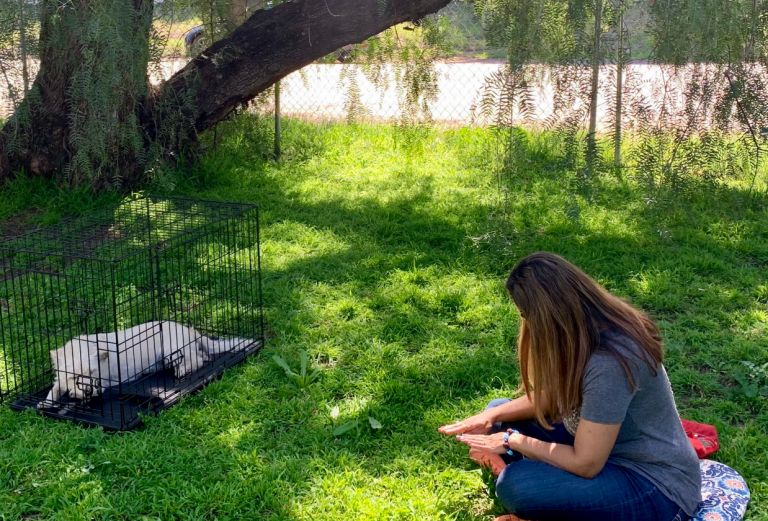
Should I let my cat outside? Many cat parents face a familiar dilemma: should I let my cat explore the great outdoors, or keep them safely inside? Cats are curious, agile, and natural hunters — and the outdoors can seem like the perfect playground. But it also comes with real risks. In this article, we’ll explore the pros and cons of letting your cat roam outdoors, how to keep outdoor cats safer, and how to give indoor cats the stimulation they crave without ever setting a paw outside. (more…)
Category: Animal Wellness

Modern animal wellness care has evolved significantly, focusing on holistic approaches that encompass both physical and emotional health. Today’s pet care goes beyond traditional veterinary medicine. It incorporates therapies like chiropractic care, acupuncture, massage, and Reiki to promote overall well-being. These complementary treatments address issues such as chronic pain, anxiety, and mobility problems, providing pets with a more balanced and comfortable life.
Nutrition has also become a critical component of wellness care, with tailored diets designed to meet specific health needs, often guided by certified animal nutritionists. Moreover, behavioral health is increasingly recognized as vital, with animal behaviorists and trainers playing a crucial role in addressing behavioral issues that can impact a pet’s quality of life.
Preventative care remains a cornerstone, emphasizing regular check-ups, vaccinations, and dental care, but it is now paired with personalized wellness plans that consider the unique needs of each animal.
The integration of telemedicine and mobile services has made it easier for pet owners to access high-quality care. This helps ensure that pets receive timely attention even in remote areas. This comprehensive approach reflects a growing awareness that pets are not just animals but beloved family members. Their well-being is paramount. As a result, modern animal wellness care is more attuned to the diverse needs of pets, helping them lead healthier, happier lives through a combination of traditional and innovative practices.
How Do You Become A Vet?
How Do You Become A Vet. Becoming a veterinarian is a rewarding journey that requires dedication, education, and passion for animal health and welfare. If you aspire to become a veterinarian, here are the necessary steps to guide you through this process:
How Do You Become A Vet – Steps
Becoming a veterinarian is a rewarding journey that requires dedication, education, and passion for animal health and welfare. If you aspire to become a veterinarian, here are the necessary steps to guide you through this process:
1. Develop a Passion for Animals
Before embarking on this career path, ensure that you have a genuine love and interest in animals. Veterinarians work with various species, ranging from household pets to livestock and exotic animals. Spending time volunteering at animal shelters, observing veterinary clinics, or participating in animal-related extracurricular activities can help you determine if this profession is right for you.
2. Research Veterinary Medicine as a Career
Understand what a career in veterinary medicine entails. Veterinarians diagnose and treat illnesses, perform surgeries, and provide preventive care for animals. They may work in private practices, zoos, farms, research institutions, or public health roles. Researching the day-to-day responsibilities and challenges will help you decide if you’re ready for this commitment.
3. Obtain a Bachelor’s Degree
Earning a bachelor’s degree is the first formal step in becoming a veterinarian. While some veterinary schools do not mandate a specific undergraduate major, students often choose fields such as:
- Animal Science
- Biology
- Zoology
- Biochemistry
During your undergraduate studies, focus on excelling in prerequisite courses required by veterinary schools. These usually include biology, chemistry, physics, microbiology, and mathematics. Additionally, develop strong problem-solving, communication, and critical-thinking skills, as these are essential for veterinary professionals.
4. Gain Hands-On Experience
Veterinary schools look favorably upon applicants with practical experience. Seek opportunities to work with animals in various settings, such as:
- Volunteering at Animal Shelters: Gain exposure to animal care and handling.
- Shadowing Veterinarians: Observe professionals in clinical environments to understand their responsibilities.
- Internships: Work at veterinary hospitals or research institutions to enhance your skills and knowledge.
These experiences provide insight into the field while demonstrating your commitment to veterinary medicine.
Next big steps towards – How Do You Become A Vet…
5. Take the Graduate Record Examination (GRE)
Most veterinary schools require applicants to take the Graduate Record Examination (GRE). This standardized test evaluates your verbal reasoning, quantitative reasoning, and analytical writing skills. Preparing for the GRE by studying test materials, taking practice exams, and attending preparatory courses can improve your chances of achieving a competitive score.
6. How Do You Become A Vet? Apply to Veterinary School
The next major step is applying to veterinary school. Admission to veterinary programs is highly competitive, so ensure your application stands out. Follow these guidelines:
- Submit a Strong Application: Highlight your academic achievements, veterinary experience, and extracurricular activities.
- Write a Compelling Personal Statement: Explain why you want to become a veterinarian and how your experiences have prepared you for this role.
- Obtain Letters of Recommendation: Request references from professors, veterinarians, or supervisors who can vouch for your skills and dedication.
- Research Veterinary Schools: Consider schools accredited by the American Veterinary Medical Association (AVMA) or equivalent organizations in your country.
Many applicants use the Veterinary Medical College Application Service (VMCAS) to streamline the application process and answering the question of how to you become a vet.
7. Complete a Doctor of Veterinary Medicine (DVM) Program
Once accepted, you’ll begin your journey through veterinary school, which typically lasts four years. The DVM curriculum combines classroom instruction with hands-on clinical training. Here’s what to expect:
- Year 1-2: Foundational courses such as anatomy, physiology, pharmacology, pathology, and animal behavior.
- Year 3: Clinical skills, diagnostics, and treatment techniques for various species.
- Year 4: Clinical rotations in specialties like surgery, internal medicine, and emergency care.
Be prepared for rigorous coursework, long hours, and a steep learning curve. Build strong relationships with your professors and peers, as networking can open doors for internships and job opportunities.

Are you finding this article useful? Would you like 100% free access to more articles like these, and free access to over 5,000 vetted pet care service professionals throughout the United States? Sign up here for a free Petworks account, and we’ll email you a 10% discount code, good towards your first pet care services booking on Petworks!
8. Pass the North American Veterinary Licensing Examination (NAVLE)
To practice as a veterinarian in the United States, you must pass the NAVLE. This comprehensive exam assesses your knowledge and readiness to provide veterinary care. Most students take the NAVLE during their final year of veterinary school. Preparation includes reviewing course material, attending review courses, and practicing with mock exams.
9. Obtain Licensure
After passing the NAVLE, you must apply for licensure in the state or country where you intend to practice. Licensing requirements may vary, so check with the appropriate regulatory board for specific guidelines.
10. Consider Specializing
If you wish to focus on a particular area of veterinary medicine, consider pursuing a specialty. Examples include:
- Surgery
- Dermatology
- Oncology
- Internal Medicine
- Exotic Animal Care
- Clinical Animal Nutrition
Specialization typically involves completing a residency program (2-4 years) and passing certification exams administered by specialty boards.
11. Start Your Career
With your DVM degree and license in hand, you’re ready to begin your career. Options include:
- Private Practice: Work with companion animals, livestock, or exotic species.
- Research and Academia: Contribute to scientific advancements and educate future veterinarians.
- Public Health: Address zoonotic diseases and food safety.
- Corporate Roles: Consult for pharmaceutical or pet food companies.
Explore job openings, attend career fairs, and network with professionals to secure a position that aligns with your interests.
12. Pursue Continuing Education
Veterinary medicine is an ever-evolving field. To stay updated on the latest advancements and maintain your licensure, participate in continuing education programs. Attend conferences, workshops, and online courses to refine your skills and expand your knowledge.
13. Embrace Lifelong Learning
Veterinarians face unique challenges daily. Embrace opportunities for growth and stay adaptable. Whether it’s learning about emerging diseases, mastering new surgical techniques, or enhancing client communication, your commitment to lifelong learning will ensure you provide the best care for your patients.
Let’s Hear From Some Vets…
Dr. Melanie Bowden, DVM (TEDx talk “What Being a Veterinarian Really Takes”):
“There is nothing more soul-crushing in life than having the skills and ability to help something helpless and you can’t do it because someone can’t afford treatment.”
Dr. Charlotte Lacroix, DVM, JD (editor-in-chief of American Veterinarian) on what drives people to become veterinarians:
“What’s important to veterinarians … is love for animals and caring for animals, and helping pet owners and [helping forge] the human-animal bond … I think that’s what we’ve always been focused at, which is why it’s still one of the most fulfilling professions out there.”
“As a child, I discovered the human-animal bond through my own dog, an Airedale Terrier named Sanders … He protected our family and made me feel safe and secure, but he was also my best buddy.”
“My family had tons of pets while I was growing up … and they were my first experience with having the responsibility to care for another living thing.”
Advice / perspective on the non-glamorous realities vs rewards (from “A letter to the veterinarian who hates her job” by Adriana Fisher, DVM):
“It’s a hard and often thankless job with long hours … but it’s also a great job. In one day I can educate a client about building a bond with their puppy, trim a macaw’s beak, take a spleen out of a cat that would otherwise die, help a family say goodbye to their beloved 15-year-old Lab, and deliver a litter of puppies. The magnitude of honor and pride I have from doing all those tasks is enormous.”
From “10 things that have made me a better veterinarian …” by Emily Singler, VMD:
“Early on as a veterinarian, I subconsciously learned that I should not have boundaries … The example had been set by others: make veterinary medicine the cornerstone of your life, … It took years … to discover there was another way to live.”
Let’s Summarize…What Does It Take To Become A Vet?
-
Deep love of animals and of helping them, often from childhood.
-
The human-animal bond is a central motivation: it’s not just treating animals, but helping pet owners, alleviating suffering, forging connections.
-
The “road there” is hard: vet school is competitive, demanding, stressful. It’s not always glamorous.
-
Emotional challenges: dealing with situations where you can’t help (for financial reasons, euthanasia, etc.), long hours, burnout and compassion fatigue.
-
Need for persistence, resilience, boundary setting, good people skills (working with owners, colleagues).
-
The sense of reward, pride, meaning: even though it can be emotionally exhausting, many vets find the varied types of work, the difference you make, the moments of saving or caring for animals, deeply fulfilling.
Becoming a veterinarian requires years of dedication, rigorous education, and hands-on experience. However, the reward of improving animal health and strengthening the bond between pets and their owners makes the journey worthwhile. By following these steps, aspiring veterinarians can turn their passion into a fulfilling and impactful career.
About Petworks
In 2021, Dr. Marty Goldstein DVM joined the pet care platform Petworks as an advisor in its Animal Nutrition care division. Dr Marty Nature’s Blend is on a mission to help your pets live their healthiest lives possible. Dr. Marty’s pet nutrition expertise and guidance has helped Petworks evolve and become the preeminent animal and pet nutrition consultation service for pet parents in North America.
In 2022, Blue Buffalo Founder Bill Bishop Jr. joined Petworks as Senior Advisor in our Animal Nutrition Care Division. Bill brings his extensive expertise in pet food innovation and business leadership. His guidance helps Petworks enhance our pet nutrition service offerings, helping to ensure that pet parents throughout the world receive trusted, science-backed nutritional support for their dogs, cats, and animals.
About The Author
Petworks Co-Founder Kevin Kinyon is a life-long animal lover who works tirelessly to improve the lives of pets and their parents. Human and animal qualities he values most are integrity, humor, and empathy.
Dog Motion Sickness: Signals and How You Can Help
Humans aren’t the only ones who can get queasy on the road. Dogs can suffer from motion sickness, too. Dog motion sickness is common and can be distressing for both pups and their parents. The good news? There are simple, effective ways to manage and prevent it. Here’s what you need to know about dog car sickness. From symptoms and causes to treatments and prevention tips. (more…)
Do Dogs Need Winter Coats?
Do Dogs Need Winter Coats to Stay Warm Enough? As temperatures drop and winter sets in, dog owners often wonder if their furry friends need extra protection from the cold. While some dogs thrive in chilly conditions thanks to their natural insulation, others may struggle to stay warm. Whether your dog needs a winter coat depends on various factors, including their breed, size, age, health, and the climate you live in. Here’s a detailed guide to help you determine if your dog needs a winter coat and how to choose the right one.
Can Kidney Stones In Dogs Be Treated Without Surgery?
Kidney Stones in Dogs: Causes, Symptoms, Treatment, and Nutritional Advice. Kidney stones, also known as nephroliths, are solid mineral deposits that form in a dog’s kidneys. While relatively uncommon compared to urinary bladder stones, kidney stones can cause discomfort, urinary issues, and, in severe cases, kidney damage. Understanding the causes, symptoms, treatment options, and dietary considerations for dogs with kidney stones can help pet owners manage this condition effectively.