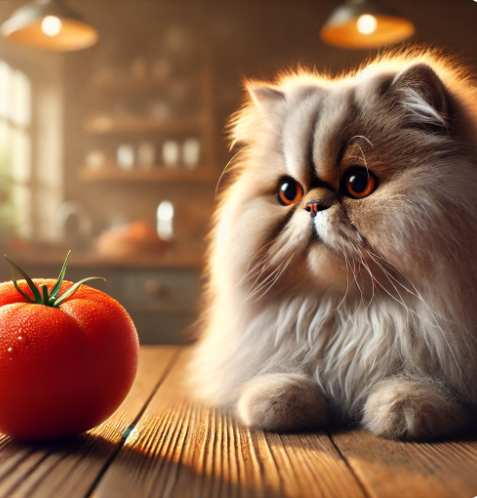
Can Cats Eat Tomatoes? Exploring Safety and Potential Health Benefits. When it comes to feeding our feline friends, understanding what is safe and beneficial is essential. One question that often arises is whether cats can eat tomatoes. While tomatoes are a popular fruit enjoyed by humans, their compatibility with a cat’s diet is more nuanced. This article explores whether tomatoes are safe for cats, the potential health benefits, and the precautions to keep in mind.
Are Tomatoes Safe for Cats?
The answer to whether cats can eat tomatoes isn’t a simple yes or no. It depends largely on the part of the tomato and how it is prepared. Consult a clinical cat nutritionist for the best cat nutrition care.
Unripe Tomatoes and Tomato Plants: Unripe tomatoes and their plants, including leaves and stems, are toxic to cats. They contain solanine and tomatine, substances that can cause gastrointestinal upset, lethargy, loss of appetite, or worse, if consumed in large amounts. These compounds are more concentrated in the green, unripe parts of the plant, making them especially dangerous. Therefore, it’s essential to keep your cat away from any tomato plants in your garden or home.
Ripe Tomatoes: Fully ripened tomatoes, on the other hand, are generally safe for cats in moderation. The solanine and tomatine levels decrease significantly as the tomato ripens. However, even ripe tomatoes should only be offered occasionally as a treat rather than a regular part of a cat’s diet. Cats are obligate carnivores, meaning their primary nutritional needs are met through animal-based proteins and fats, not fruits or vegetables.
Potential Health Benefits of Ripe Tomatoes for Cats
While tomatoes are not essential to a cat’s diet, offering small amounts of ripe tomato can provide certain health benefits:
1. Rich in Antioxidants: Tomatoes contain lycopene, an antioxidant that may help combat oxidative stress in cells. Although the benefits of lycopene are more documented in humans, some believe it might contribute to a cat’s overall cellular health when consumed in trace amounts.
2. Vitamins and Minerals: Ripe tomatoes are a source of vitamins A, C, and K, as well as potassium. Vitamin A supports healthy vision, while vitamin C can help boost the immune system. Potassium aids in maintaining proper muscle and nerve function.
3. Hydration: Tomatoes have a high water content, which can contribute to a cat’s hydration. Cats often have low thirst drive and may benefit from hydrating foods, especially during hot weather or if they consume predominantly dry kibble.
How to Safely Offer Tomatoes to Cats
If you decide to let your cat try tomato, it’s crucial to prepare it safely to avoid any risks:
1. Only Use Ripe Tomatoes: Ensure the tomato is fully ripe and free of any green spots or stems. These parts could still contain traces of harmful compounds.
2. Serve in Small Quantities: Cats have small stomachs and don’t need large amounts of tomato. A small piece about the size of a thumbnail is sufficient.
3. Remove Seeds and Skin: The seeds and skin can be harder for cats to digest. Remove them to make the tomato easier to consume.
4. Avoid Seasonings and Additives: Never offer your cat tomato-based products like ketchup, pasta sauce, or canned tomatoes. These often contain salt, sugar, garlic, onions, and other ingredients toxic to cats.
5. Monitor Your Cat: After offering tomato, watch for any signs of adverse reactions such as vomiting, diarrhea, or lethargy. If you notice these symptoms, contact your veterinarian immediately.
 “Ripe tomatoes are not toxic to cats. However, cats are considered obligate carnivores, meaning that the bulk of their nutrition needs to be derived from animal meat products. As such, non-meat foods provide relatively little nutrition to cats.” – Dr. Sandra C. Mitchell, DVM, DABVP
“In general, ripe tomatoes are not toxic to cats. There aren’t any health benefits from a cat eating a tomato, but if they eat a small amount from time to time, it’s typically okay. The tomato plant, however, is toxic to both cats and dogs, so it’s crucial to keep your pet from nibbling on your garden. The plant itself and the small green tomatoes can cause an upset stomach, hypersalivation, and in rare cases may cause slow heart rate, dilated pupils, and weakness.” – Dr. Kathleen Mottel, DVM
When to Avoid Tomatoes Altogether
In some cases, it’s better to err on the side of caution and avoid offering tomatoes entirely:
1. Pre-existing Health Conditions: Cats with gastrointestinal sensitivity or underlying health conditions might not tolerate tomatoes well.
2. Allergies or Intolerances: Although rare, some cats may be allergic to tomatoes. Signs of an allergic reaction include itching, swelling, or difficulty breathing.
3. No Nutritional Need: Cats derive most of their nutrients from meat-based proteins. If your cat already has a balanced diet, there’s no need to supplement with tomatoes.
 Alternatives to Tomatoes for Cats
If you’re looking for safe, nutrient-rich foods to add variety to your cat’s diet, consider the following options:
- Cooked Pumpkin: Great for digestion and high in fiber.
- Cooked Carrots: Provide vitamin A and are easy to digest when cooked.
- Blueberries: A safe, antioxidant-rich treat in small amounts.
- Cooked Fish: Rich in omega-3 fatty acids, which support skin, coat, and joint health.
These alternatives are generally more aligned with a cat’s nutritional needs and are less likely to cause adverse reactions.
While ripe tomatoes are not inherently dangerous for cats when offered in moderation, they should not form a regular part of their diet. The occasional small piece of ripe tomato can provide antioxidants, vitamins, and hydration benefits, but it’s essential to prepare them correctly and monitor your cat for any signs of discomfort.

Are you finding this article useful? Would you like 100% free access to more articles like these, and free access to over 5,000 vetted pet care service professionals throughout the United States? Sign up here for a free Petworks account, and we’ll email you a 10% discount code, good towards your first pet care services booking on Petworks!
As always, consult with your veterinarian or a clinical feline nutritionist before introducing new foods into your cat’s diet. By being cautious and informed, you can ensure your feline companion’s health and well-being while satisfying their occasional curiosity for new tastes.
About Petworks
 In 2021, Dr. Marty Goldstein DVM joined the pet care platform Petworks as an advisor in its Animal Nutrition care division. Dr Marty Nature’s Blend is on a mission to help your pets live their healthiest lives possible. Dr. Marty’s pet nutrition expertise and guidance has helped Petworks evolve and become the preeminent animal and pet nutrition consultation service for pet parents in North America.
 In 2022, Blue Buffalo Founder Bill Bishop Jr. joined Petworks as Senior Advisor in our Animal Nutrition Care Division. Bill brings his extensive expertise in pet food innovation and business leadership. His guidance helps Petworks enhance our pet nutrition service offerings, helping to ensure that pet parents throughout the world receive trusted, science-backed nutritional support for their dogs, cats, and animals.
About The Author
 Petworks Co-Founder Kevin Kinyon is a life-long animal lover who works tirelessly to improve the lives of pets and their parents. Human and animal qualities he values most are integrity, humor, and empathy.

 petworks tm