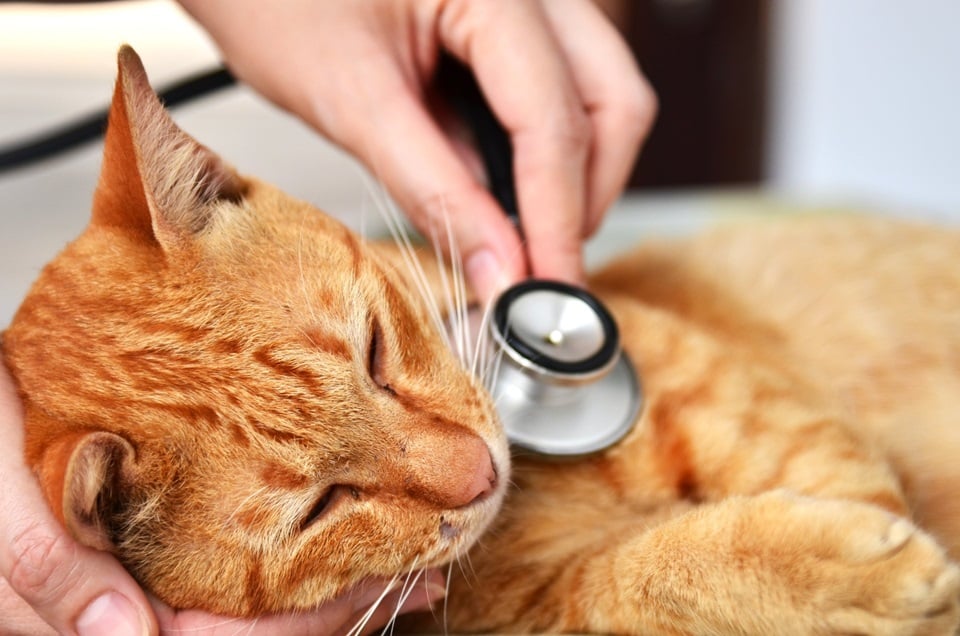
Lungworm in Cats: Symptoms and Treatment. Lungworm is a parasitic infection affecting cats, caused primarily by the nematode species Aelurostrongylus abstrusus. This condition can significantly impact a cat’s respiratory health and, if left untreated, may lead to severe complications. Understanding lungworm’s symptoms, causes, and treatment is essential for ensuring the well-being of your feline companion. Let’s talk about it.
What is Lungworm?
Lungworm is a type of parasitic worm that resides in the lungs or airways of infected cats. The parasite’s life cycle involves intermediate hosts, such as snails and slugs, and sometimes paratenic hosts like birds, rodents, or frogs that cats may prey upon. When a cat consumes these infected hosts, the larvae migrate to the lungs, causing inflammation and respiratory issues.
How Cats Become Infected
Outdoor cats are at higher risk of contracting lungworm, especially those who hunt or explore areas with snail or slug populations. Even small exposure…such as drinking water contaminated by infected mollusks…can lead to infection. Since the parasite is not transmitted directly between cats, a cat living solely indoors is far less likely to be affected.
Symptoms of Lungworm in Cats
Symptoms of lungworm vary depending on the severity of the infection. Mild infections may present no noticeable signs, but more advanced cases often lead to significant respiratory distress. Common symptoms include:
- Coughing – Persistent coughing is one of the hallmark signs of lungworm infection. It may range from mild to severe.
- Breathing Difficulties – Cats may exhibit labored or rapid breathing, wheezing, or open-mouthed panting.
- Lethargy – Infected cats may appear more tired than usual and show reduced interest in activities they previously enjoyed.
- Loss of Appetite – The infection can cause discomfort, leading to decreased appetite and weight loss.
- Sneezing and Nasal Discharge – While less common, upper respiratory symptoms may occur in some cases.
- Vomiting – Infected cats might vomit as a result of irritation caused by the parasites.
 If your cat exhibits these symptoms, it’s critical to seek veterinary attention promptly, as untreated lungworm can lead to pneumonia and, in severe cases, become life-threatening.
Diagnosing Lungworm
Diagnosing lungworm in cats involves a combination of clinical evaluation and diagnostic tests. A veterinarian will typically start with a physical exam, focusing on the respiratory system. Specific tests include:
- Fecal Examination: The Baermann technique is used to detect lungworm larvae in a cat’s stool sample.
- Chest X-Rays: Imaging may reveal lung changes consistent with parasitic infection, such as nodules or inflammation.
- Bronchoscopy: In some cases, a bronchoscopy may be performed to collect mucus samples from the respiratory tract for analysis.
- PCR Testing: Advanced molecular tests can detect the DNA of lungworm larvae in samples.
Accurate diagnosis ensures proper treatment and management.
Treatment for Lungworm in Cats
Lungworm is treatable with antiparasitic medications. Your veterinarian may prescribe drugs such as:
- Anthelmintics: Medications like fenbendazole or ivermectin are commonly used to kill the lungworm larvae.
- Anti-Inflammatories: In some cases, corticosteroids may be prescribed to reduce lung inflammation caused by the parasites.
- Supportive Care: Cats with severe symptoms, such as breathing difficulties, may require oxygen therapy or hospitalization for close monitoring.
- Antibiotics: If secondary bacterial infections have developed due to lung damage, antibiotics may also be administered.
It is essential to follow the veterinarian’s treatment plan precisely and complete the full course of medication, even if your cat’s symptoms improve.
Monitoring & Follow-Up Care After Treatment
Once a cat has been diagnosed and begun treatment for lungworm, follow-up care and monitoring are critical to ensure full recovery and reduce the chance of relapse. Below are best practices and considerations to guide pet parents and veterinarians through the post-treatment phase.
1. Post-Treatment Recheck Examinations
-
A follow-up visit should typically be scheduled 2 to 4 weeks after completion of anthelmintic therapy.
-
During the recheck, the veterinarian should perform a full physical exam, paying close attention to respiratory rate, effort, murmurs, crackles, or wheezes.
-
Diagnostic tests (e.g. fecal Baermann, imaging) may be repeated to confirm that lungworm larvae have cleared or significantly reduced.
2. Thoracic Imaging & Radiographic Monitoring
-
Chest X-rays (thoracic radiographs) may continue to show residual changes (e.g. nodules, bronchial patterns, interstitial changes) for weeks or months after parasites are gone.
-
Comparing new images with baseline (pre-treatment) radiographs helps assess lung healing over time.
-
If abnormalities persist or worsen, additional investigation may be warranted (e.g. computed tomography, bronchoscopy).
3. Managing Secondary Lung Damage & Inflammation
-
Even after successful worm removal, inflammation, fibrosis, or scarring of lung tissue may persist.
-
Veterinarians may recommend corticosteroids (low to moderate dose, tapered) to reduce persistent airway inflammation, if safe for the cat.
-
Supportive therapies—such as nebulization, coupage (gentle chest percussion), or use of bronchodilators—can help mobilize secretions and improve airflow, especially in cats with lingering respiratory compromise.
4. Monitoring for Relapse or Reinfection
-
Lungworm can occasionally persist or reinfect, especially if the cat remains exposed to sources of infection.
-
Watch carefully for the return of coughing, wheezing, labored breathing, or lethargy, even months later.
-
If symptoms recur, prompt veterinary re-evaluation and possibly repeat diagnostic testing are warranted.
5. Long-Term Support & Lifestyle Adjustments
-
Keep the cat in a low-stress environment and ensure good nutrition during recovery.
-
Maintain regular veterinary checkups—at least semi-annually—or more frequently if respiratory signs linger.
-
For cats that roam outdoors, consider supervised access or “catio” setups, and implement snail/slime-mollusk control (removing hiding spots, barriers, copper tape, etc.).
-
Discuss with the veterinarian whether periodic prophylactic parasiticides effective against lungworm larvae are appropriate in your geographic region and for your cat’s risk level.
6. Communicating With the Veterinary Team
-
Ask your veterinarian about what parameters will be used to judge recovery (clinical signs, imaging, fecal testing).
-
Request and retain copies of radiographs, lab results, and treatment records for comparison over time.
-
In more complex cases, a referral to a veterinary internal medicine specialist or a veterinary pulmonologist may be beneficial.
Preventing Lungworm in Cats
Prevention is always better than cure. To reduce the risk of lungworm infection:
- Keep Cats Indoors: Limiting outdoor access can prevent exposure to intermediate hosts like snails and slugs.
- Control Snail and Slug Populations: Avoid leaving pet food or water bowls outdoors where they might attract these creatures.
- Regular Deworming: Routine deworming treatments may help protect your cat against a variety of parasites, including lungworm.
- Supervise Outdoor Time: If your cat ventures outside, supervise their activities to prevent hunting or scavenging.
“Changes in wildlife habitat and numbers…or heightened clinical awareness and confirmation of these infections in domestic cats may be occurring. Since the problem may be growing, it is important for all practitioners who are treating cats, be aware of this often missed pathogen.” – Kathryn Primm, DVM, CVPM
Discuss preventative measures with your veterinarian, as some deworming products may not cover lungworm and require specific treatments.

Are you finding this article useful? Would you like 100% free access to more articles like these, and free access to over 5,000 vetted pet care service professionals throughout the United States? Sign up here for a free Petworks account, and we’ll email you a 10% discount code, good towards your first pet care services booking on Petworks!
Complications and Prognosis
Untreated lungworm infections can lead to severe complications, including lung scarring, pneumonia, or chronic respiratory issues. Early intervention usually results in a positive prognosis, and most cats recover fully with timely treatment. Cats with underlying health conditions or delayed treatment may face a more challenging recovery.
 If and when your kitty makes a full recovery, you should make sure she gets rest and proper nutrition. Consult with a clinical feline nutritionist to get a bolstered diet plan for your little best friend.
When to Contact a Veterinarian
If your cat exhibits persistent coughing, difficulty breathing, or any other signs of respiratory distress, seek veterinary care immediately. Prompt diagnosis and treatment can prevent complications and ensure your cat’s health and comfort.
“Lungworm infection of the lower respiratory tract, usually resulting in bronchitis or pneumonia, … In cats, because of the relative infrequency of infection, diagnosis may be made only after failure of antibiotic therapy to improve the condition.” – Lora Rickard Ballweber, DVM, DACVM in Merck Veterinary Manual
Lungworm is a potentially serious condition that can compromise a cat’s respiratory health. While outdoor cats are at greater risk, awareness of the symptoms and quick action can make all the difference. Regular veterinary check-ups, preventative care, and timely treatment are key to keeping your feline friend safe and healthy. If you suspect lungworm or any respiratory issues in your cat, consult your veterinarian to ensure the best care for your beloved pet.
About Petworks
 In 2021, Dr. Marty Goldstein DVM joined the pet care platform Petworks as an advisor in its Animal Nutrition care division. Dr Marty Nature’s Blend is on a mission to help your pets live their healthiest lives possible. Dr. Marty’s pet nutrition expertise and guidance has helped Petworks evolve and become the preeminent animal and pet nutrition consultation service for pet parents in North America.
 In 2022, Blue Buffalo Founder Bill Bishop Jr. joined Petworks as Senior Advisor in our Animal Nutrition Care Division. Bill brings his extensive expertise in pet food innovation and business leadership. His guidance helps Petworks enhance our pet nutrition service offerings, helping to ensure that pet parents throughout the world receive trusted, science-backed nutritional support for their dogs, cats, and animals.
About The Author
 Petworks Co-Founder Kevin Kinyon is a life-long animal lover who works tirelessly to improve the lives of pets and their parents. Human and animal qualities he values most are integrity, humor, and empathy.

 petworks tm