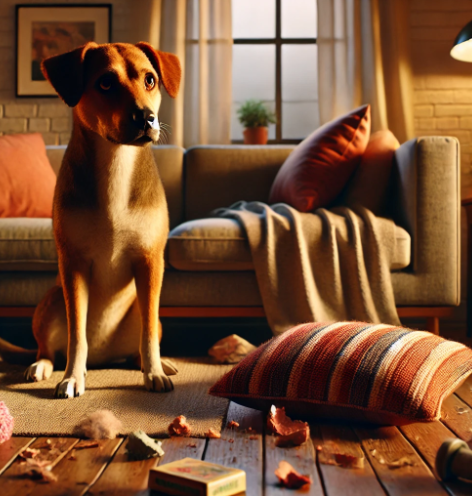
Understanding and Managing Separation Anxiety in Dogs. Separation anxiety is a common behavioral issue in dogs that occurs when they become excessively distressed when left alone. This condition can manifest in various ways, from destructive behavior to incessant barking, and can significantly impact both the dog’s well-being and the owner’s daily life. Understanding the causes, symptoms, and management strategies for separation anxiety is essential for creating a supportive environment for your furry companion.
Causes of Separation Anxiety
Several factors can contribute to a dog developing separation anxiety. These include:
- Change in Routine: Dogs thrive on consistency. A sudden change in daily routines, such as a new work schedule, can unsettle them.
- Adoption or Rehoming: Dogs who have experienced being rehomed or adopted may fear being abandoned again.
- Loss of a Family Member: The absence of a household member, whether due to relocation, divorce, or death, can trigger anxiety.
- Traumatic Events: Experiences such as being left alone during a thunderstorm or an extended period of isolation can lead to long-term stress.
- Breed Tendencies: Some breeds are more prone to separation anxiety due to their genetic predisposition to form strong bonds with their owners.
Symptoms of Separation Anxiety
Dogs with separation anxiety exhibit a range of symptoms, which can vary in intensity:
- Destructive Behavior: Chewing furniture, scratching doors, or destroying items around the house.
- Vocalization: Excessive barking, whining, or howling when left alone.
- House Soiling: Urinating or defecating indoors despite being house-trained.
- Pacing: Repeatedly walking back and forth in a fixed pattern.
- Escape Attempts: Trying to break out of crates or rooms, often resulting in self-injury.
- Depression or Lethargy: A dog may appear withdrawn or less enthusiastic about activities.
- Excessive Greeting Behavior: Overwhelming excitement when the owner returns, even after a short absence.
Diagnosing Separation Anxiety
 If your dog exhibits these symptoms, it is important to rule out other potential causes such as medical issues or insufficient exercise. Consulting a veterinarian or a certified animal behaviorist can help confirm the diagnosis. Providing a detailed account of your dog’s behavior when left alone can assist in determining the root cause of the issue.
🐾 Malena DeMartini, Certified Separation Anxiety Trainer (CSAT)
“Separation anxiety is fixable… If people just understood that this is fixable, and it gave them that hope, that would make me thrilled.”
🐾 Jackie Johnston, Certified Separation Anxiety Trainer
“Your dog’s separation anxiety isn’t an unsolvable issue, even if it might feel that way sometimes.”
🐾 Emily Scott, Certified Canine Behavior Specialist
“My husband and I both grew up with dogs we’d had since puppyhood but we were in a world of pain trying to deal with separation anxiety in our new (8yo) rescue.”
Strategies to Manage Separation Anxiety
Managing separation anxiety requires patience and a consistent approach. Here are some effective strategies to help your dog feel more secure:
- Gradual Desensitization: Start by leaving your dog alone for short periods and gradually increase the duration over time. Ensure that these absences are stress-free by providing distractions like toys or treats.
- Create a Safe Space: Designate a comfortable area where your dog feels secure. Include their favorite bed, toys, and items that carry your scent, such as an old T-shirt.
- Exercise and Mental Stimulation: Provide adequate physical activity and mental engagement before leaving. A tired dog is less likely to experience anxiety.
- Maintain a Calm Departure and Arrival: Avoid dramatic goodbyes and enthusiastic greetings. This helps reduce the emotional highs and lows associated with your absence.
- Use Positive Reinforcement: Reward your dog for calm behavior during training sessions and upon your return.
- Interactive Toys and Puzzles: Keep your dog occupied with puzzle feeders or interactive toys to redirect their focus.
- Background Noise: Leave the television, radio, or a white noise machine on to create a comforting environment.
- Professional Help: In severe cases, consult a certified dog trainer or canine behaviorist. They can provide tailored behavior modification plans.
- Medication or Supplements: For dogs with extreme anxiety, a veterinarian may prescribe anti-anxiety medication or recommend calming supplements.

Are you finding this article useful? Would you like 100% free access to more articles like these, and free access to over 5,000 vetted pet care service professionals throughout the United States? Sign up here for a free Petworks account, and we’ll email you a 10% discount code, good towards your first pet care services booking on Petworks!
Preventing Separation Anxiety
If your dog hasn’t shown signs of separation anxiety, taking proactive steps can help prevent its onset:
- Foster Independence: Encourage your dog to spend time alone in a positive way, even when you are at home.
- Socialization: Expose your dog to various environments, people, and animals to build their confidence.
- Routine Changes: Gradually introduce changes to your schedule to prevent your dog from becoming overly dependent on a fixed routine.
- Crate Training: Teach your dog to see their crate as a safe retreat rather than a place of confinement.
The Emotional Toll on Dog Owners
Dealing with a dog’s separation anxiety can be challenging for owners. Feelings of guilt, frustration, and helplessness are common. Remember, your dog’s behavior is a result of their emotional state, not a deliberate attempt to upset you. Seeking support from fellow pet owners or professionals can provide valuable insights and emotional relief.
Success Stories: Overcoming Separation Anxiety
Many dogs have successfully overcome separation anxiety with the right interventions. For instance, Bella, a three-year-old Labrador, struggled with severe anxiety when her owner, Emily, returned to an office job after years of working remotely. By implementing gradual desensitization, engaging toys, and daily exercise routines, Bella’s behavior improved significantly within a few months. Stories like Bella’s serve as a reminder that progress is achievable with dedication and consistency.
About Petworks
 In 2021, Dr. Marty Goldstein DVM joined the pet care platform Petworks as an advisor in its Animal Nutrition care division. Dr Marty Nature’s Blend is on a mission to help your pets live their healthiest lives possible. Dr. Marty’s pet nutrition expertise and guidance has helped Petworks evolve and become the preeminent animal and pet nutrition consultation service for pet parents in North America.
 In 2022, Blue Buffalo Founder Bill Bishop Jr. joined Petworks as Senior Advisor in our Animal Nutrition Care Division. Bill brings his extensive expertise in pet food innovation and business leadership. His guidance helps Petworks enhance our pet nutrition service offerings, helping to ensure that pet parents throughout the world receive trusted, science-backed nutritional support for their dogs, cats, and animals.
About The Author
 Petworks Co-Founder Kevin Kinyon is a life-long animal lover who works tirelessly to improve the lives of pets and their parents. Human and animal qualities he values most are integrity, humor, and empathy.

 petworks tm