
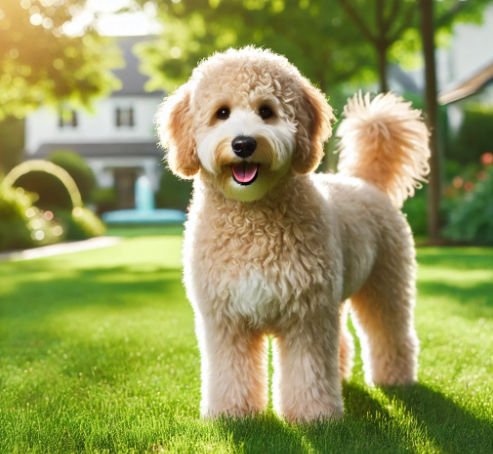
The term “hypoallergenic” refers to a reduced likelihood of causing an allergic reaction. In the context of dogs, this means breeds that are less likely to trigger allergies in sensitive individuals. Allergies to dogs are typically caused by proteins found in a dog’s dander, saliva, and urine. Hypoallergenic dogs are not entirely allergen-free; however, they produce fewer allergens or have coat types that trap dander, preventing it from spreading.
Which Dogs Are Considered Hypoallergenic?
Several breeds are commonly considered hypoallergenic due to their coat type or minimal shedding. These include:
- Poodles (Standard, Miniature, and Toy): Known for their curly, non-shedding coat that traps dander.
- Labradoodles and Goldendoodles: Crossbreeds with a Poodle parent, often possessing hypoallergenic traits.
- Bichon Frise: Small dogs with a soft, curly coat.
- Portuguese Water Dogs: Medium-sized dogs with a dense, curly coat.
- Maltese: Tiny dogs with silky hair instead of fur.
- Schnauzers (Miniature, Standard, and Giant): Recognized for their wiry coats.
- Yorkshire Terriers: Small dogs with hair-like coats that shed minimally.
 Proper Nutrition for Hypoallergenic Dogs
Providing proper dog nutrition is crucial to keeping hypoallergenic dogs healthy and minimizing allergens. Follow these guidelines:
- High-Quality Proteins: Opt for premium dog food with lean proteins like chicken, turkey, or fish. Protein is essential for maintaining a healthy coat and skin.
- Omega-3 Fatty Acids: These are vital for reducing inflammation and supporting skin health. Include fish oil or foods enriched with omega-3s.
- Limited-Ingredient Diets: If your dog has sensitivities, limited-ingredient or hypoallergenic dog food can help minimize allergic reactions.
- Hydration: Ensure your dog has access to fresh water at all times to maintain healthy skin and coat.
- Supplements: Consider supplements like biotin or zinc for improved coat health, but consult your veterinarian first.
The Role of Climate in Caring for Hypoallergenic Dogs
Weather and climate play a significant role in a hypoallergenic dog’s comfort and skin health. Here’s how to manage their environment:
- Cold Weather: Protect dogs with short or sparse coats, like the Maltese, by providing dog sweaters or jackets during colder months.
- Hot Weather: For breeds with dense coats, ensure they stay cool. Provide shade and access to water, and avoid outdoor activities during peak heat.
- Dry Climates: Use humidifiers indoors to prevent skin dryness, which can exacerbate shedding or dander production.
Grooming Tips for Hypoallergenic Dogs
Regular grooming is essential to maintaining a hypoallergenic dog’s coat and minimizing allergens in the home. Follow these steps:
Brushing: Brush your dog’s coat 2-3 times a week to remove loose hair and prevent matting. Use a slicker brush or comb suitable for their coat type.
Bathing: Bathe your dog every 4-6 weeks using a hypoallergenic shampoo to remove dander and dirt without irritating their skin.
Trimming: Many hypoallergenic breeds benefit from professional grooming every 6-8 weeks to maintain their coat’s health and cleanliness.
Nail Care: Trim their nails regularly to prevent discomfort and ensure proper hygiene.
Dental Hygiene: Brush their teeth or use dental chews to maintain oral health and reduce bacteria, which can indirectly affect their skin and coat.
 Let’s Hear From The Vet Experts…
“Breeds that are considered ‘hypoallergenic’ are breeds with hair coats that do not shed, or shed very little. Because they do not shed, the dander is not spread around the home the way it is with a pet that sheds a lot, and people in the home suffer [fewer] allergy symptoms.” – Dr. Maggie Brown-Bury, MD, DVM, Emergency and Critical Care Veterinarian.
“Contrary to common belief, there are no truly hypoallergenic dogs, as shown by a 2011 study that evaluated household allergen levels by dog breed.” – Dr. Karen Becker, DVM.
Creating an Allergy-Friendly Home Environment
Maintaining a clean home environment is key to reducing allergens and ensuring the comfort of both the dog and its owners. Here’s how:
Vacuum Regularly: Use a vacuum with a HEPA filter to remove pet hair and dander from floors and furniture.
Wash Bedding: Clean your dog’s bedding weekly using a mild detergent to minimize allergen buildup.
Air Purifiers: Invest in air purifiers with HEPA filters to capture airborne allergens.
Restrict Access: Keep your dog out of bedrooms or off upholstered furniture if allergies persist.
Hard Floors: Opt for hardwood or tile floors, which are easier to clean than carpets.
Frequent Cleaning: Dust and mop surfaces regularly to reduce dander accumulation.

Are you finding this article useful? Would you like 100% free access to more articles like these, and free access to over 5,000 vetted pet care service professionals throughout the United States? Sign up here for a free Petworks account, and we’ll email you a 10% discount code, good towards your first pet care services booking on Petworks!
Frequently Asked Questions About Hypoallergenic Dogs
1. What does “hypoallergenic dog” mean?
A hypoallergenic dog is a breed that produces fewer allergens than others. While no dog is completely allergen-free, breeds labeled hypoallergenic tend to shed less dander and hair, which can reduce allergic reactions in sensitive people.
2. Are hypoallergenic dogs 100% allergy-free?
No — even hypoallergenic dogs produce some allergens through their saliva, skin, and urine. However, many allergy sufferers experience fewer symptoms with breeds such as Poodles, Bichon Frises, and Portuguese Water Dogs.
3. Which dog breeds are considered the most hypoallergenic?
Some of the most popular hypoallergenic breeds include the Poodle, Maltese, Bichon Frise, Schnauzer, Portuguese Water Dog, and Yorkshire Terrier. Each has a coat that minimizes dander and shedding.
4. How can I reduce pet allergies at home?
Regular grooming, weekly baths, and using HEPA air filters can help reduce allergens. Vacuuming frequently and keeping your dog’s bedding clean also make a big difference.
5. Do hypoallergenic dogs require special grooming?
Yes, most hypoallergenic breeds have hair rather than fur, which grows continuously and needs regular trimming or brushing to prevent matting and control allergens.
6. Are small hypoallergenic dogs better for allergy sufferers?
Not necessarily, but smaller breeds tend to release fewer allergens into the environment simply because they have less skin surface area and produce less dander overall.
7. Can mixed-breed dogs be hypoallergenic?
It’s possible. Crossbreeds like Labradoodles or Goldendoodles may inherit the low-shedding traits of their Poodle parent, but not all mixes are truly hypoallergenic. Allergy testing and spending time with the specific dog can help determine compatibility.
8. What should I do before adopting a hypoallergenic dog?
Spend time with the breed first to see how your allergies respond. Consult your allergist and research the breed’s grooming needs to ensure it’s the right fit for your lifestyle.
Special Considerations for Hypoallergenic Dogs
While hypoallergenic dogs can be a great option for allergy sufferers, they still require dedication and care. Regular vet check-ups are essential to monitor their overall health and address any skin or coat issues promptly. Additionally, prospective dog owners should spend time around a specific breed before committing to ensure their allergies are manageable.
By combining proper nutrition, grooming, and environmental management, you can provide a healthy and happy life for your hypoallergenic dog while minimizing allergens in your home.
About Petworks
 In 2021, Dr. Marty Goldstein DVM joined the pet care platform Petworks as an advisor in its Animal Nutrition care division. Dr Marty Nature’s Blend is on a mission to help your pets live their healthiest lives possible. Dr. Marty’s pet nutrition expertise and guidance has helped Petworks evolve and become the preeminent animal and pet nutrition consultation service for pet parents in North America.
 In 2022, Blue Buffalo Founder Bill Bishop Jr. joined Petworks as Senior Advisor in our Animal Nutrition Care Division. Bill brings his extensive expertise in pet food innovation and business leadership. His guidance helps Petworks enhance our pet nutrition service offerings, helping to ensure that pet parents throughout the world receive trusted, science-backed nutritional support for their dogs, cats, and animals.
About The Author
 Petworks Co-Founder Kevin Kinyon is a life-long animal lover who works tirelessly to improve the lives of pets and their parents. Human and animal qualities he values most are integrity, humor, and empathy.

 petworks tm









It’s hard to search out educated people on this subject of hypoallergenic dogs, however you sound like you realize what you’re speaking about! Thanks.
Thank you!
I have been exploring for a little bit for any high quality articles or blog posts on this sort of area . Exploring in Yahoo I at last stumbled upon this website. Reading this info So i am happy to convey that I have an incredibly good uncanny feeling I discovered just what I needed. I most certainly will make sure to do not forget this site and give it a look regularly.
Thank you!
whoah this weblog is excellent i love studying your articles. Stay up the good paintings! You realize, lots of people are looking round for this info, you can aid them greatly.
I have been surfing online more than three hours as of late, but I never found any fascinating article like your article about hypoallergenic dogs. In my opinion, if all site owners and bloggers made excellent content material as you did, the web will be a lot more useful than ever before.
Thank you!