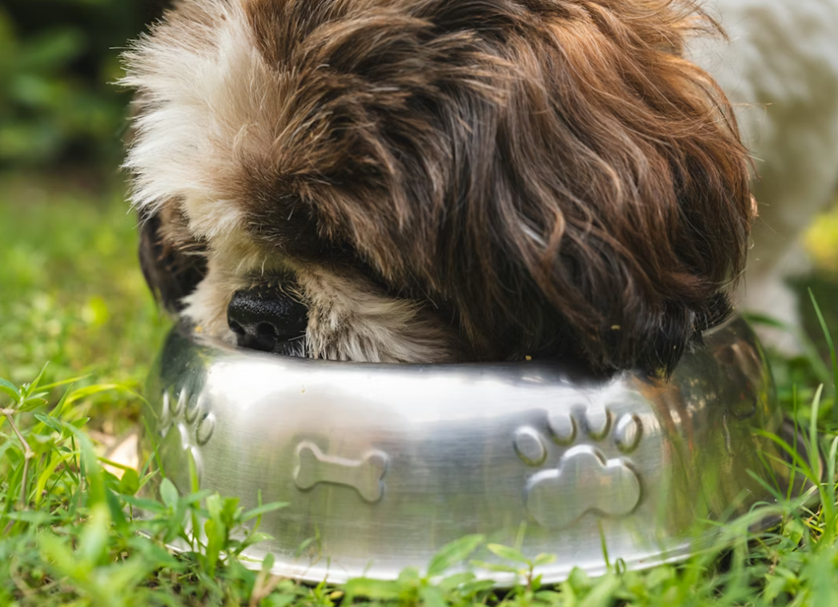
In recent years, grain-free dog food has become one of the most debated topics in canine nutrition. Grain-free diets were once touted as a healthier choice for dogs. This was especially true for dogs with allergies or digestive sensitivities. However, they have faced increasing scrutiny from veterinarians, researchers, and pet parents alike. As we enter 2026, what does the science actually say about grain-free dog food? And should you feed it to your dog?Let’s unpack the evidence.
🐶 The Grain-Free Trend: Origins and Popularity
Grain-free dog food became popular in the early 2010s. Many pet parents believed that, like human gluten-free diets, removing grains (such as corn, wheat, and rice) from their dogs’ food would reduce allergies or improve overall health. Some brands also marketed grain-free foods as being more “ancestral” or closer to a dog’s natural diet.
However, true grain allergies in dogs are rare—less than 1% of diagnosed canine food sensitivities are linked to grains themselves. Most reactions are triggered by proteins like beef, chicken, or dairy, not by the grain components of dog food.

Are you finding this article useful? Would you like 100% free access to more articles like these, and free access to over 5,000 vetted pet care service professionals throughout the United States? Sign up here for a free Petworks account, and we’ll email you a 10% discount code, good towards your first pet care services booking on Petworks!
🧪 What Research Shows: Benefits and Risks
📈 Potential Benefits (for Some Dogs)
-
Improved digestion or reduced inflammation: Some studies suggest well-formulated grain-free diets can support blood sugar regulation and gut microbial balance, especially when high-quality ingredients replace grains.
-
Nutrient density: Grain-free formulas often have higher protein and fat content, which may benefit very active or working dogs.
👉 That said, these potential benefits are not universal, and many are tied to the overall nutrient profile rather than the absence of grains themselves.
 “Grain-free dog food isn’t inherently healthier. It’s context-dependent,” says Kevin Kinyon, Co-Founder, Petworks. “For most dogs, grains are a valuable source of energy, fiber, and essential nutrients. The real issue isn’t whether grains are present, but whether the diet is balanced, complete, and appropriate for the individual dog.”
❤️ Heart Health Concerns and “DCM”
One of the biggest concerns raised in the past decade is a possible link between grain-free dog food and dilated cardiomyopathy (DCM) – a serious heart condition that can be fatal if untreated. The U.S. Food and Drug Administration (FDA) investigated hundreds of cases of DCM where affected dogs were fed grain-free diets, especially those rich in legumes (like peas or lentils).
However:
-
Causation has not been established. Associations have been observed, but it remains unclear whether grain-free diets cause DCM or if other factors—such as ingredient balance or nutrient bioavailability—are at play.
-
Recent controlled research found no negative cardiac effects in dogs fed grain-free diets over many months when the diets were balanced and nutritionally adequate.
The scientific consensus in 2026 is cautious—not alarmist: grain-free diets aren’t inherently harmful, but they must be carefully formulated and monitored to ensure dogs receive all essential nutrients.
🧠 Expert Perspectives
From a Petworks Canine Nutritionist:
“Grain-free diets can be appropriate for dogs with specific food sensitivities or unique dietary needs. But they’re not automatically healthier for every dog. What matters most is balanced nutrition tailored to your dog’s life stage, activity level, and health status.”
From an Independent Animal Nutrition Expert:
“The presence or absence of grains in a dog’s diet is less important than ensuring the diet meets the dog’s full nutritional requirements. Claims that grain-free equals better health are not supported by definitive scientific proof.” – Dr. Lisa M. Freeman, DVM, PhD, DACVIM (Nutrition), board-certified veterinary nutritionist and senior lecturer at Tufts University’s Cummings School of Veterinary Medicine.
🥣 So, What Should Pet Parents Do?
✅ Focus on Balanced Nutrition
Whether grain-free or grain-inclusive, the most important factor is that a dog’s food is complete and balanced, meeting AAFCO or comparable nutritional standards.
🩺 Consult a Vet for Your Dog’s Needs
Dogs with food sensitivities, digestive issues, or pre-existing medical conditions may benefit from customized diets. Always consult with a vet or dog nutritionist before making major diet changes.
🍽️ Don’t Choose Based on Marketing Alone
Avoid being swayed by buzzwords like “grain-free,” “natural,” or “ancestral.” Instead, prioritize ingredients, nutrient profiles, and evidence-based recommendations.
❓ Frequently Asked Questions (FAQs)
Q: Are grain-free diets better for dogs with allergies?
A: Not necessarily. Most canine food allergies are triggered by proteins, not grains. A limited-ingredient or hydrolyzed protein diet is often more effective for diagnosed food allergies.
Q: Do grains cause heart disease in dogs?
A: No direct causative link between grain-free diets and heart disease has been proven, though some dogs eating certain grain-free diets showed DCM in past case reports.
Q: Should all dogs avoid grain-free food?
A: No. Grain-free diets can be appropriate for some dogs, but they require careful formulation and monitoring—just like any diet.
Q: How can I tell if my dog needs grain-free food?
A: Consult your veterinarian first. True grain intolerance is rare, and many dogs thrive on grain-inclusive diets.
🐕 Bottom Line
In 2026, the science tells us that grain-free dog food isn’t categorically healthier than grain-inclusive diets. What truly matters is a diet that’s balanced, complete, and suited to your dog’s individual needs. Discuss your dog’s food with a veterinary nutrition expert to make the best choice for their long-term health and well-being.
About PetWorks
 Marty Goldstein DVM joined the pet care platform PetWorks as an advisor in its Animal Nutrition care division. Dr Marty Nature’s Blend is on a mission to help your pets live their healthiest lives possible. Dr. Marty’s pet nutrition expertise and guidance has helped PetWorks evolve and become the preeminent animal and pet nutrition consultation service for pet parents in North America.
 In 2022, Blue Buffalo Founder Bill Bishop Jr. joined PetWorks as Senior Advisor in our Animal Nutrition Care Division. Bill brings his extensive expertise in pet food innovation and business leadership. His guidance helps PetWorks enhance our pet nutrition service offerings, helping to ensure that pet parents throughout the world receive trusted, science-backed nutritional support for their dogs, cats, and animals.
About The Author
 PetWorks Co-Founder Kevin Kinyon is a life-long animal lover who works tirelessly to improve the lives of pets and their parents. Human and animal qualities he values most are integrity, humor, and empathy.

 petworks tm