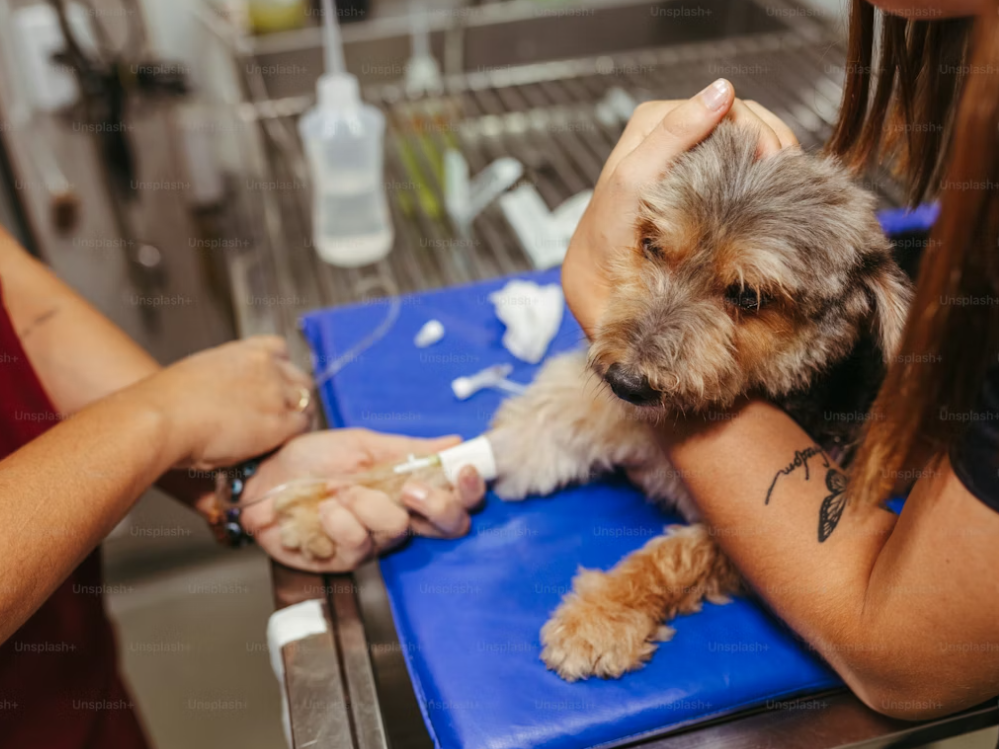
Diabetes in dogs is not exactly the same as diabetes in humans, although the underlying problem, difficulty regulating blood sugar, is similar. In both species, diabetes occurs when insulin is not working properly to move glucose from the bloodstream into the body’s cells. This leads to high blood sugar levels and symptoms such as increased thirst, frequent urination, weight loss, and fatigue.
The key difference lies in the type of diabetes most commonly diagnosed. Dogs typically develop insulin-dependent diabetes, which closely resembles Type 1 diabetes in humans and requires lifelong insulin injections. In contrast, most humans have Type 2 diabetes, which is often linked to insulin resistance and may be managed with lifestyle changes or oral medications. Because of this difference, dogs almost always need insulin therapy, while humans may have a wider range of treatment options.
Diabetes in Dogs: Causes, Symptoms, Treatment, and What Pet Owners Should Know
Diabetes in dogs is a chronic condition that affects how a dog’s body regulates blood sugar. While a diagnosis can be frightening for pet owners, diabetes is highly manageable with proper treatment, routine care, and veterinary guidance. Many diabetic dogs live long, comfortable, and active lives once their condition is well controlled.
Understanding the causes, symptoms, and treatment options for diabetes in dogs allows pet owners to recognize early warning signs and take proactive steps to protect their dog’s health.
What Is Diabetes in Dogs?
Diabetes mellitus in dogs occurs when the pancreas does not produce enough insulin or when the body cannot properly use insulin. Insulin is a hormone responsible for helping glucose move from the bloodstream into the body’s cells, where it is used for energy.
When insulin is lacking or ineffective, glucose builds up in the blood, leading to persistently high blood sugar levels. Over time, this imbalance affects multiple organ systems and can lead to serious complications if left untreated.
Most dogs develop insulin-dependent diabetes, meaning lifelong insulin therapy is required.
Causes and Risk Factors for Diabetes in Dogs
Diabetes in dogs can develop due to a combination of genetic, hormonal, and medical factors.
Common risk factors include:
-
Genetic predisposition and breed tendencies
-
Middle-aged and senior dogs
-
Female dogs, particularly those that are not spayed
-
Pancreatic disease or inflammation
-
Hormonal disorders such as Cushing’s disease
-
Long-term use of steroid medications
-
Obesity, which can worsen insulin resistance
While excess weight does not always directly cause diabetes in dogs, maintaining a healthy body condition plays a key role in disease management.
Symptoms of Diabetes in Dogs
Early symptoms are often subtle and may be mistaken for normal aging. As the disease progresses, signs become more noticeable.
Common symptoms of diabetes in dogs include:
-
Increased thirst
-
Frequent urination
-
Increased appetite
-
Weight loss despite eating normally
-
Lethargy or reduced stamina
-
Recurrent urinary tract or skin infections
Advanced diabetes may also cause:
-
Vomiting
-
Weakness
-
Poor coat quality
-
Sudden vision loss due to diabetic cataracts
Any combination of these symptoms warrants immediate veterinary evaluation.

Are you finding this article useful? Would you like 100% free access to more articles like these, and free access to over 5,000 vetted pet care service professionals throughout the United States? Sign up here for a free Petworks account, and we’ll email you a 10% discount code, good towards your first pet care services booking on Petworks!
How Diabetes in Dogs Is Diagnosed
Veterinarians diagnose diabetes through:
-
Blood glucose testing
-
Urinalysis showing glucose in the urine
-
Clinical symptoms and medical history
Consistently elevated blood sugar levels, along with glucose in the urine, confirm the diagnosis. Additional tests may be used to identify underlying conditions that could affect treatment or insulin needs.
Treatment Options for Diabetic Dogs
Insulin Therapy
The cornerstone of diabetes treatment in dogs is daily insulin injections. Insulin helps regulate blood sugar and allows glucose to be properly used by the body.
Although many pet owners feel nervous initially, insulin injections use very small needles and are generally well tolerated by dogs. With practice, insulin administration becomes a quick and manageable part of daily care.
 “As a board‑certified veterinary internal medicine specialist with a particular interest in endocrinology, I’ve seen firsthand how proper diagnosis, consistent insulin treatment, and a structured diet routine can help dogs with diabetes live full and active lives. Early recognition of symptoms and close collaboration between pet owners and veterinarians are key to long‑term management.” – Dr. Nicole Bennett, DVM, MS, DACVIM.
Diet Management
Diet is essential for blood sugar stability. Diabetic dogs benefit from:
-
Consistent meal timing
-
Controlled carbohydrate intake
-
Higher fiber content to slow glucose absorption
-
Balanced protein and fat levels
Feeding the same food, in measured amounts, at the same times each day helps prevent dangerous glucose fluctuations. Talk to your vet and consult online with a canine nutritionist for the best diet plan options.
✔️ Prescription Diabetic Dog Diets
-
Royal Canin Veterinary Diet Diabetic – Formulated specifically to regulate glucose levels with high protein, controlled starch, and adjusted fiber; often recommended by vets.
-
Hill’s Prescription Diet w/d Multi‑Benefit – Low fat, high fiber, balanced nutrition that supports blood sugar and weight management.
✔️ Non‑Prescription High‑Quality Diets
-
Wellness CORE Grain‑Free Reduced Fat – High protein and lower carbs help maintain muscle and stabilize blood glucose.
-
Farmina Vet Life Natural Canine Obesity & Diabetic – Designed for weight and glucose control with increased fiber.
-
Other premium options like high‑protein grain‑free formulas (e.g., Orijen Six Fish) can be beneficial for active diabetic dogs though they may not be necessary for every dog.
🥕 Homemade or Natural Add‑Ins
If your veterinarian or canine nutritionist approves a homemade or fresh diet, lean proteins (chicken, turkey, fish), fiber‑rich vegetables (green beans, pumpkin), and complex carbohydrates (small amounts of brown rice or sweet potato) can help support glucose control. But only with professional guidance to ensure balanced nutrition.
Exercise and Routine
Moderate, consistent exercise improves insulin sensitivity and overall health. Sudden changes in activity levels should be avoided, as they can disrupt blood sugar control.
A predictable daily routine for meals, insulin, and exercise is critical for managing diabetes successfully.
Monitoring and Long-Term Management
Ongoing monitoring ensures insulin doses remain safe and effective. Monitoring may include:
-
Blood glucose curves performed by a veterinarian
-
At-home glucose testing in some cases
-
Tracking thirst, urination, appetite, and energy levels
Signs of low blood sugar (hypoglycemia) include weakness, disorientation, trembling, or seizures and require immediate veterinary attention.
Potential Complications of Diabetes in Dogs
Without proper management, diabetes can lead to serious complications such as:
-
Diabetic ketoacidosis (a life-threatening emergency)
-
Frequent infections
-
Cataracts and vision loss
-
Liver disease
-
Nerve damage
Consistent treatment and regular veterinary checkups significantly reduce these risks.
Can Diabetes in Dogs Be Cured?
Diabetes in dogs is usually not curable, but it is highly manageable. Because most canine diabetes is insulin-dependent, lifelong treatment is typically required.
The goal is stable blood sugar control, symptom management, and preventing long-term complications.
Quality of Life for Dogs With Diabetes
Once regulated, many diabetic dogs:
-
Regain energy and vitality
-
Maintain a healthy weight
-
Continue normal activities like walks and playtime
For most owners, daily diabetes care becomes routine, and dogs adapt quickly to treatment.
Frequently Asked Questions About Diabetes in Dogs
How long can a dog live with diabetes?
With proper treatment, many dogs live for years after diagnosis with a good quality of life.
Do all diabetic dogs need insulin?
Yes, most dogs require lifelong insulin injections to manage blood sugar.
Is diabetes in dogs painful?
Diabetes itself is not painful, but untreated diabetes can lead to painful complications.
Can diet alone control diabetes in dogs?
Diet is important, but insulin is almost always necessary for effective control.
Living Well With a Diabetic Dog
Diabetes in dogs requires commitment, but it does not have to limit a dog’s happiness or longevity. With the right treatment plan, regular veterinary care, and a consistent routine, diabetic dogs can thrive.
Early detection, education, and partnership with a veterinarian make all the difference in managing this lifelong condition successfully.
About Petworks
 In 2021, Dr. Marty Goldstein DVM joined the pet care platform Petworks as an advisor in its Animal Nutrition care division. Dr Marty Nature’s Blend is on a mission to help your pets live their healthiest lives possible. Dr. Marty’s pet nutrition expertise and guidance has helped Petworks evolve and become the preeminent animal and pet nutrition consultation service for pet parents in North America.
 In 2022, Blue Buffalo Founder Bill Bishop Jr. joined Petworks as Senior Advisor in our Animal Nutrition Care Division. Bill brings his extensive expertise in pet food innovation and business leadership. His guidance helps Petworks enhance our pet nutrition service offerings, helping to ensure that pet parents throughout the world receive trusted, science-backed nutritional support for their dogs, cats, and animals.
About The Author
 Petworks Co-Founder Kevin Kinyon is a life-long animal lover who works tirelessly to improve the lives of pets and their parents. Human and animal qualities he values most are integrity, humor, and empathy.

 petworks tm