
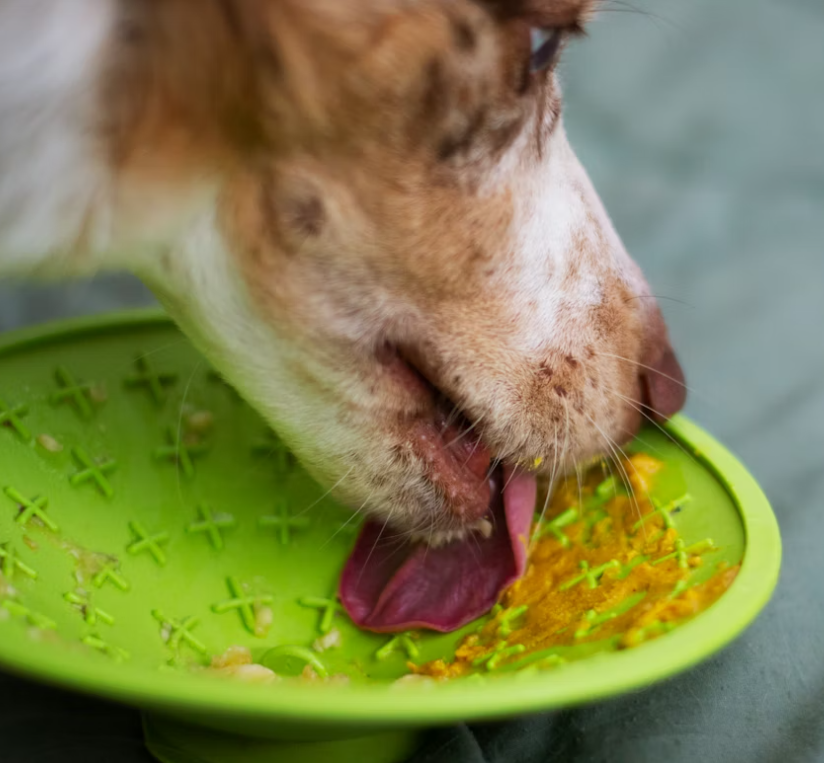
Proper nutrition is essential for your dog’s health, energy, and longevity. While commercial dog foods claim to provide balanced diets, understanding the role of macronutrients: protein, fat, and carbohydrates – can help you make informed decisions for your furry friend. In this article, we’ll break down each macronutrient, explain its importance, and offer practical tips to ensure your dog gets the nutrients they need.
Things we’ll cover in this article:
-
dog macronutrients
-
dog nutrition
-
protein for dogs
-
fats in dog food
-
carbohydrates for dogs
-
balanced dog diet
1. Protein: Building Blocks for a Healthy Dog
Why Protein Matters
Protein is vital for muscle development, tissue repair, immune function, and overall growth. Puppies need higher protein levels for rapid growth, while adult dogs require sufficient protein to maintain muscle mass and overall health.
Sources of Protein for Dogs:
-
Chicken, turkey, beef, lamb
-
Fish and eggs
-
Dairy products like yogurt or cottage cheese (in moderation)
-
Plant-based options like lentils or chickpeas (as supplements, not primary sources)
Signs Your Dog May Need More Protein:
-
Muscle loss or weakness
-
Poor coat quality
-
Reduced energy or lethargy
 Expert Tip:
“Protein is the cornerstone of a dog’s diet. Quality sources from animal proteins are generally easier for dogs to digest and absorb,” says Dr. Jerry Klein, Chief Veterinary Officer at the AKC.
Do This Instead:
If your dog shows signs of protein deficiency, consult your vet and consider increasing high-quality animal protein in their diet or switching to a protein-rich commercial formula.
2. Fat: Essential Energy for Dogs
Why Fat Is Important
Fat is not just a source of calories—it also supports:
-
Healthy skin and a shiny coat
-
Brain and nerve function
-
Hormone production
-
Absorption of fat-soluble vitamins (A, D, E, K)
Dogs require both essential fatty acids (like omega-3 and omega-6) and general dietary fats.
Good Sources of Fat for Dogs:
-
Fish oil (omega-3)
-
Chicken fat
-
Flaxseed oil
-
Salmon
Signs Your Dog May Need More Fat:
-
Dull coat or dry skin
-
Low energy
-
Slow wound healing
Do This Instead:
Introduce small amounts of healthy oils or fatty fish to your dog’s diet. Avoid excessive fats from human food, which can lead to obesity or pancreatitis.
3. Carbohydrates: Energy and Digestive Health
Why Carbs Matter
Carbohydrates are often misunderstood in dog diets, but they provide energy, fiber, and support gastrointestinal health. While dogs can survive on low-carb diets, complex carbohydrates offer:
-
Steady energy release
-
Digestive health through fiber
-
Nutrients like vitamins and antioxidants
Good Carbohydrate Sources for Dogs:
-
Brown rice or oatmeal
-
Sweet potatoes and pumpkin
-
Peas, lentils, and carrots
Signs of Carb Deficiency or Imbalance:
-
Low stamina during exercise
-
Constipation or digestive issues
-
Low energy
Do This Instead:
Incorporate moderate amounts of complex carbs from whole grains and vegetables. Avoid excessive simple carbs or processed foods with added sugars.
4. Balancing Macronutrients for Different Life Stages
Puppies
-
Require higher protein and fat for growth
-
Carbs can provide energy but are less critical
Adult Dogs
-
Balanced protein, fat, and moderate carbs maintain energy and body condition
-
Adjust fat levels based on activity and metabolism
Senior Dogs
-
May need slightly less fat to prevent weight gain
-
High-quality protein is essential to prevent muscle loss
-
Fiber-rich carbs support digestive health
Do This Instead:
Use life-stage specific formulas and consult your vet or canine nutritionist for adjustments based on breed, size, and activity level.

Are you finding this article useful? Would you like 100% free access to more articles like these, and free access to over 5,000 vetted pet care service professionals throughout the United States? Sign up here for a free Petworks account, and we’ll email you a 10% discount code, good towards your first pet care services booking on Petworks!
5. Common Myths About Dog Nutrition
Myth 1: Dogs Only Need Meat
Fact: While dogs are primarily carnivorous, they benefit from balanced diets that include healthy fats and complex carbs.
Myth 2: Fat Makes Dogs Fat
Fact: Fat is essential for energy and skin health. Obesity is caused by excess calories overall, not fat alone.
Myth 3: Carbs Are Useless
Fact: Carbs provide fiber and steady energy, which supports digestion and long-term health.
Do This Instead:
Don’t remove entire macronutrient groups unless advised by your veterinarian for medical reasons. Balance is key.
6. Practical Tips for a Balanced Dog Diet
-
Read Labels Carefully: Look for high-quality animal proteins first, moderate fats, and complex carbs.
-
Portion Control: Follow feeding guidelines based on weight, activity, and life stage.
-
Supplement Wisely: Only add vitamins or supplements if recommended by a vet.
-
Monitor Your Dog: Regularly check weight, energy levels, and coat condition.
7. Frequently Asked Questions (FAQ)
How much protein does my dog need per day?
-
Protein requirements vary by age, weight, and activity. Adult dogs generally need 18–25% of calories from protein; puppies need more.
Can my dog get too much fat?
-
Yes, excess fat can lead to obesity and pancreatitis. Stick to vet-recommended portions.
Are carbs safe for all dog breeds?
-
Yes, but the type and amount of carbs should match your dog’s energy needs and digestive tolerance.
The 411 on Macronutrients for Dogs
Understanding protein, fat, and carbohydrates is essential for maintaining your dog’s health, energy, and longevity. Each macronutrient plays a unique role:
-
Protein for growth and tissue repair
-
Fat for energy, brain function, and skin health
-
Carbs for fiber, energy, and digestion
By feeding a balanced diet tailored to your dog’s life stage, size, and activity level, you can help your furry companion thrive. Always consult your veterinarian before making major changes to your dog’s diet and monitor their health regularly.
About Petworks
 In 2021, Dr. Marty Goldstein DVM joined the pet care platform Petworks as an advisor in its Animal Nutrition care division. Dr Marty Nature’s Blend is on a mission to help your pets live their healthiest lives possible. Dr. Marty’s pet nutrition expertise and guidance has helped Petworks evolve and become the preeminent animal and pet nutrition consultation service for pet parents in North America.
 In 2022, Blue Buffalo Founder Bill Bishop Jr. joined Petworks as Senior Advisor in our Animal Nutrition Care Division. Bill brings his extensive expertise in pet food innovation and business leadership. His guidance helps Petworks enhance our pet nutrition service offerings, helping to ensure that pet parents throughout the world receive trusted, science-backed nutritional support for their dogs, cats, and animals.
About The Author
 Petworks Co-Founder Kevin Kinyon is a life-long animal lover who works tirelessly to improve the lives of pets and their parents. Human and animal qualities he values most are integrity, humor, and empathy.

 petworks tm









I’ll be subscribing to your pet care blog.