
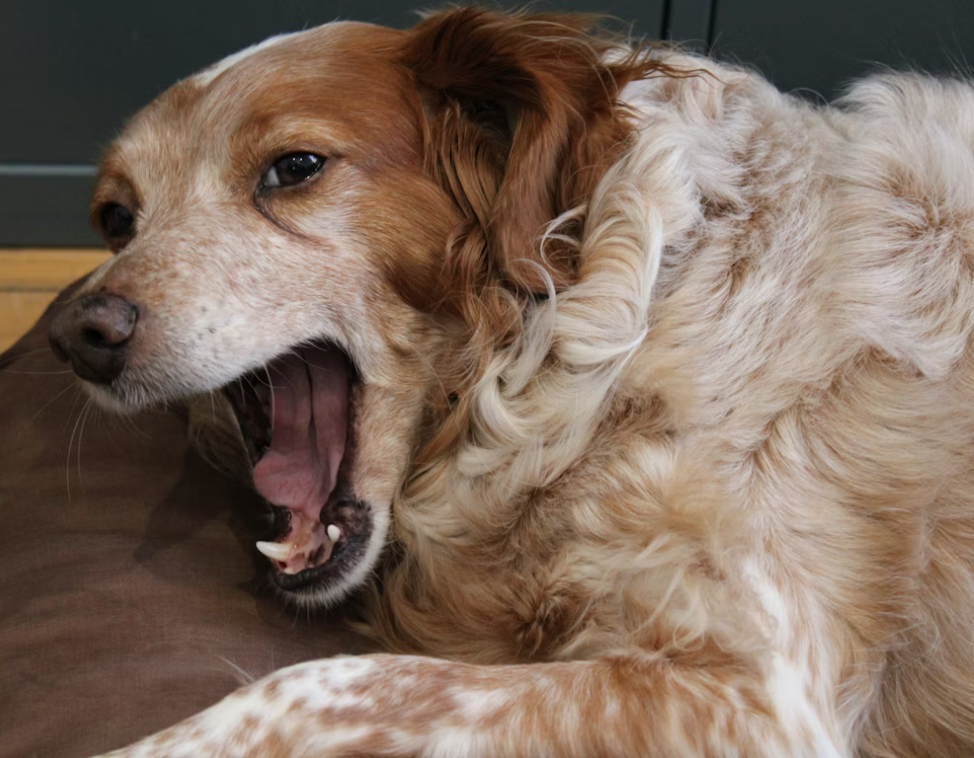
If your dog is coughing or gagging, it’s natural to worry. Dogs can cough or gag for many reasons, some minor, some serious. Understanding the causes, symptoms, and when to seek veterinary care is crucial to keeping your dog healthy.
Common Causes of Dog Coughing
Coughing is a natural reflex to clear the airways, but frequent or severe coughing in dogs can indicate health problems. Here are the most common causes:
Kennel Cough
Kennel cough, or infectious tracheobronchitis, is a contagious respiratory infection. Dogs often develop a dry, hacking cough that sounds like honking. It spreads quickly in places where dogs gather, like dog parks, boarding facilities, or daycare.
Symptoms to watch for:
-
Persistent dry cough
-
Sneezing or nasal discharge
-
Mild fever or lethargy
 Most healthy dogs recover on their own, but puppies or older dogs may require veterinary care.
Heart Disease
Coughing can signal heart problems, such as congestive heart failure, which can cause fluid buildup in the lungs or around the heart.
Symptoms to watch for:
-
Coughing at night or during rest
-
Difficulty breathing
-
Fatigue
-
Swollen abdomen or limbs
Early detection improves outcomes, so consult a vet promptly if these signs appear.
Respiratory Infections
Bacterial, viral, or fungal infections can affect a dog’s respiratory system.
Symptoms to watch for:
-
Persistent cough or gagging
-
Runny nose
-
Fever
-
Lethargy
Treatment varies depending on the infection, and a vet can recommend the right course of action.
Allergies
Dogs can have environmental or food allergies, leading to coughing, gagging, and sneezing.
Symptoms to watch for:
-
Dry cough
-
Itchy skin or excessive licking
-
Watery eyes or runny nose
Veterinary guidance helps identify triggers and manage symptoms.
“While dog gagging can be a harmless behavior, there are things you need to know and be aware of so that you know when it’s time to visit your veterinarian.” – Sandra C. Mitchell, DVM
Foreign Objects
Dogs may swallow or inhale small objects, causing sudden coughing or gagging.
Symptoms to watch for:
-
Intense, sudden coughing or gagging
-
Pawing at the mouth or throat
-
Difficulty breathing
Immediate veterinary attention is necessary to prevent choking or internal injury.
Tracheal Collapse
Small breed dogs are prone to tracheal collapse, causing a honking cough.
Symptoms to watch for:
-
Persistent honking cough
-
Difficulty breathing
-
Gagging during activity
Treatment may include medication, weight management, or surgery.
Heartworm Disease
Heartworm disease affects the lungs and heart. Early signs often include coughing and gagging.
Symptoms to watch for:
-
Coughing after activity
-
Fatigue
-
Labored breathing
Preventive medication is key to protection.
Lung or Throat Tumors
Older dogs or those with chronic respiratory issues may develop tumors affecting the lungs or throat.
Symptoms to watch for:
-
Persistent cough
-
Difficulty swallowing
-
Weight loss
-
Lethargy
Diagnosis often requires imaging, and treatment varies depending on tumor type.
Understanding Gagging in Dogs
Gagging differs from coughing and usually involves a retching motion. Common causes include:
-
Reverse sneezing: Harmless, spasmodic inhalation.
-
Eating or drinking too quickly: Can trigger gagging or choking.
-
Throat irritation: Allergens, infections, or foreign objects.
-
Dental or oral issues: Infection or masses making swallowing difficult.
Warning Signs That Require a Vet
You should contact a veterinarian immediately if your dog shows:
-
Persistent or worsening cough or gagging
-
Difficulty breathing or wheezing
-
Blue or pale gums
-
Sudden severe coughing or gagging
-
Signs of choking
-
Coughing with vomiting or blood
Even mild, persistent symptoms warrant a veterinary check-up.

Are you finding this article useful? Would you like 100% free access to more articles like these, and free access to over 5,000 vetted pet care service professionals throughout the United States? Sign up here for a free Petworks account, and we’ll email you a 10% discount code, good towards your first pet care services booking on Petworks!
How to Support Your Dog at Home
While some causes require professional care, you can take steps at home to support your dog:
-
Observe and record symptoms: Video recordings help your vet.
-
Control environmental triggers: Reduce smoke, dust, and allergens.
-
Feed smaller, slower meals: Prevent gagging after eating.
-
Maintain healthy weight: Reduces strain on heart and lungs.
-
Keep up with vaccinations and preventives: Protect against infections and heartworm.
When to See a Veterinarian
A vet can perform a physical exam and recommend diagnostic tests such as:
-
Chest X-rays or ultrasounds
-
Blood work
-
Heartworm testing
-
Throat or nasal exams
Early intervention improves outcomes for serious conditions.
Preventive Measures for Dog Coughing and Gagging
Prevention helps reduce the risk of coughing and gagging:
-
Vaccinations: Bordetella (kennel cough) vaccine and others.
-
Regular vet check-ups: Detect health issues early.
-
Safe play and supervision: Prevent swallowing or inhaling objects.
-
Healthy lifestyle: Balanced canine diet and exercise to support heart and lung health.
Coughing and gagging in dogs can be alarming, but not all cases are serious. Causes range from minor issues like allergies or eating too quickly to serious conditions such as heart disease, respiratory infections, or airway obstructions.
Monitoring your dog, recording symptoms, and consulting a veterinarian when needed ensures your dog receives timely care. Awareness of warning signs and potential causes is key to keeping your furry companion healthy and happy.
When in doubt, it’s always safer to have a professional evaluate your dog. Early detection and treatment can make a significant difference in your dog’s health and quality of life.
FAQ: Dog Coughing and Gagging
Why is my dog coughing all of a sudden?
A: Sudden coughing in dogs can be caused by respiratory infections, allergies, heart problems, or inhaling a foreign object. Persistent or severe coughing should be evaluated by a veterinarian.
When should I worry about my dog gagging?
A: Worry if gagging is accompanied by difficulty breathing, blue gums, vomiting, blood, or if it happens frequently. These may indicate serious conditions that need immediate veterinary care.
Can my dog’s coughing be caused by allergies?
A: Yes, environmental or food allergies can trigger coughing, gagging, sneezing, and itchy skin. A vet can help identify triggers and recommend treatment.
How can I prevent my dog from coughing and gagging?
A: Keep vaccinations up to date, use heartworm preventives, avoid smoke and allergens, feed smaller meals, and monitor your dog’s weight and activity.
What are the most common serious causes of coughing and gagging in dogs?
A: Serious causes include heart disease, heartworm disease, lung or throat tumors, tracheal collapse, and respiratory infections. Early veterinary care is critical.
About Petworks
 In 2021, Dr. Marty Goldstein DVM joined the pet care platform Petworks as an advisor in its Animal Nutrition care division. Dr Marty Nature’s Blend is on a mission to help your pets live their healthiest lives possible. Dr. Marty’s pet nutrition expertise and guidance has helped Petworks evolve and become the preeminent animal and pet nutrition consultation service for pet parents in North America.
 In 2022, Blue Buffalo Founder Bill Bishop Jr. joined Petworks as Senior Advisor in our Animal Nutrition Care Division. Bill brings his extensive expertise in pet food innovation and business leadership. His guidance helps Petworks enhance our pet nutrition service offerings, helping to ensure that pet parents throughout the world receive trusted, science-backed nutritional support for their dogs, cats, and animals.
About The Author
 Petworks Co-Founder Kevin Kinyon is a life-long animal lover who works tirelessly to improve the lives of pets and their parents. Human and animal qualities he values most are integrity, humor, and empathy.

 petworks tm









Thank you for this post!
Great site, i recommend it to everyone. Will you become larger than Rover? I think so.