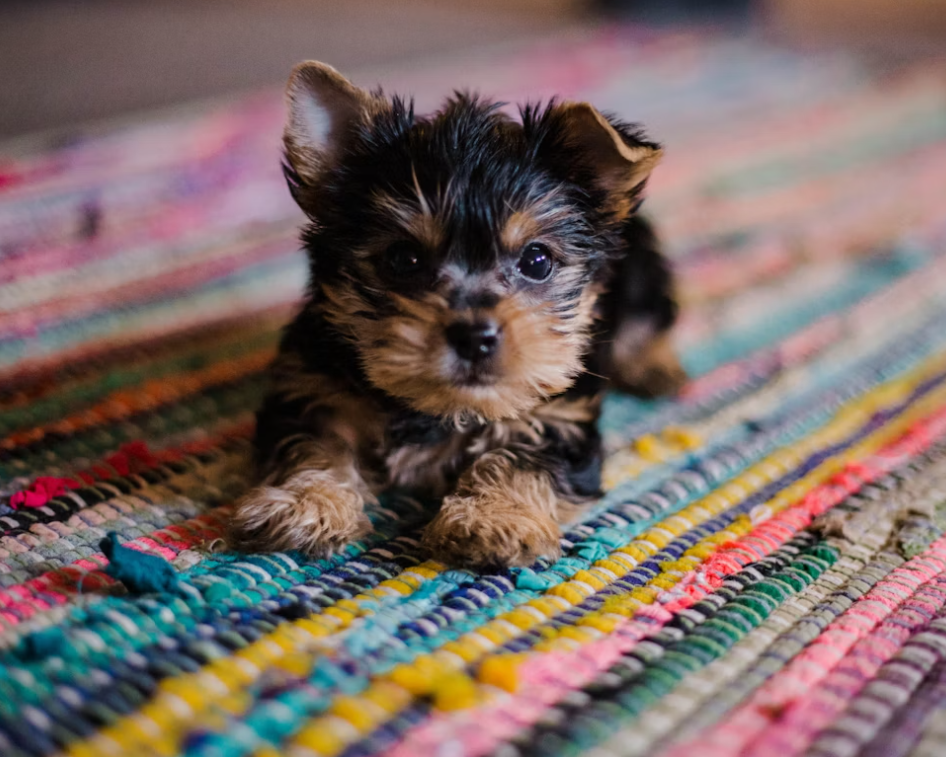
House training a puppy is one of the most important steps in welcoming a new furry friend into your home. Every new puppy parent asks the same question: how long does it take to house train a puppy? The answer isn’t one-size-fits-all, but with the right approach, patience, and consistency, your puppy can learn to eliminate outside and avoid accidents indoors.
In this article, we’ll cover the factors that affect the timeline, common mistakes to avoid, effective training methods, and tips for making the process smoother for both you and your puppy:
- puppy house training
- housebreaking puppies
- potty training puppies
- common puppy housebreaking mistakes
- crate training puppies
- puppy potty training tips
Factors That Affect House Training Timeline
The time it takes to house train a puppy varies depending on several factors:
1. Age of the Puppy
Younger puppies have smaller bladders and less control over their bodily functions. Most puppies can start basic house training around 8 to 12 weeks of age. Puppies under 12 weeks often need more frequent bathroom breaks, which can lengthen the training period.
2. Breed and Size
Small breed puppies often have less bladder control than larger breeds, which may mean more frequent accidents. Larger breeds might take longer to develop consistency, but they generally have stronger bladders.
3. Previous Training and Socialization
If your puppy comes from a breeder or foster environment where some potty training routines were already introduced, the process may be faster. Puppies without prior training will require more time and repetition.
4. Owner Consistency
Your consistency in taking your puppy outside, rewarding good behavior, and maintaining a predictable schedule is one of the biggest factors affecting how quickly your puppy is house trained. Puppies thrive on routine.
Typical House Training Timeline
While every puppy is different, here is a general guideline for what to expect:
-
0–2 weeks: Your puppy is adjusting to a new environment. Accidents are common, and the focus is on observing cues and establishing a routine.
-
2–4 weeks: Puppies start learning where it’s appropriate to go. Positive reinforcement begins to work, but accidents are still frequent.
-
4–6 weeks: With consistent training, your puppy can start understanding bathroom cues. Accidents decrease, and crate training becomes effective.
-
6–12 weeks: Puppies may start holding their bladder for longer periods. Routine and rewards are key.
-
3–6 months: Most puppies are largely house trained, though occasional accidents may happen, especially during excitement or stress.
-
6–12 months: By this age, most dogs have full bladder control and understand where and when to eliminate, though some small breeds or shy puppies may need extra time.

Are you finding this article useful? Would you like 100% free access to more articles like these, and free access to over 5,000 vetted pet care service professionals throughout the United States? Sign up here for a free Petworks account, and we’ll email you a 10% discount code, good towards your first pet care services booking on Petworks!
Common House Training Mistakes to Avoid
Even with the best intentions, certain mistakes can slow the house training process:
1. Inconsistent Schedules
Taking your puppy out at irregular times can confuse them. Establish a consistent routine for meals, potty breaks, and bedtime.
2. Punishing Accidents
Never punish your puppy for accidents. Punishment can create fear and anxiety, making training harder. Focus on positive reinforcement instead.
3. Ignoring Signs
Watch for cues that your puppy needs to go, such as sniffing, circling, or whining. Ignoring these signals can lead to accidents and frustration.
4. Overestimating Bladder Control
Remember, puppies can’t hold their bladder as long as adult dogs. A general rule is that puppies can hold it for one hour per month of age (e.g., a 3-month-old puppy can hold it for about three hours).
 “Dogs are not born knowing what we want from them. They learn by connection & repetition, not fear. Positive reinforcement isn’t about bribing. It’s about building a relationship based on trust.” – Ian Dunbar, DVM and Animal Behaviorist
Effective House Training Methods
1. Crate Training
Crate training helps puppies learn bladder control and provides a safe, confined space. Dogs naturally avoid soiling their sleeping area, making the crate a useful tool. Make sure the crate is appropriately sized, giving your puppy enough room to stand, turn, and lie down.
2. Frequent Bathroom Breaks
Take your puppy outside first thing in the morning, after meals, after naps, and before bedtime. Puppies often need to go immediately after play sessions or drinking water.
3. Positive Reinforcement
Praise, treats, and affection help reinforce desired behaviors. Reward your puppy immediately after they eliminate outside so they associate the action with positive outcomes.
4. Use Commands
Teaching a simple command like “go potty” helps your puppy associate the action with the cue. Repeat the cue consistently during outdoor bathroom breaks.
5. Supervision and Confinement
Keep a close eye on your puppy when indoors. If you can’t supervise, confine them to a small, safe area or crate to prevent accidents.
Troubleshooting House Training Challenges
Even with the best approach, some challenges arise:
-
Accidents in the house: Clean accidents thoroughly with an enzymatic cleaner to remove odors. Avoid ammonia-based cleaners, as they can encourage repeat accidents.
-
Regression: Changes in routine, new pets, or stress can lead to temporary regression. Return to consistent training and supervision.
-
Medical issues: Frequent accidents, straining, or blood in urine may indicate urinary tract infections or other health problems. Consult a veterinarian if unusual behavior persists.
Tips to Speed Up House Training
-
Keep a consistent feeding schedule to regulate bathroom timing.
-
Take your puppy outside immediately after meals, play, and naps.
-
Reward consistently and never punish accidents.
-
Use crate training wisely, making it a safe and comfortable space.
-
Track progress in a training journal to identify patterns and adjust schedules.
- Hire a professional puppy trainer.
FAQ: House Training Puppies
Q: How long does it usually take for a puppy to be fully house trained?
A: Most puppies achieve consistent house training between 3 to 6 months, though some may take longer depending on breed, age, and consistency of training.
Q: Can I potty train a puppy in an apartment?
A: Yes! Use a combination of frequent walks, indoor potty pads, and crate training. Consistency is key.
Q: What if my puppy keeps having accidents at night?
A: Limit water intake a few hours before bedtime and take your puppy outside right before sleeping. Nighttime accidents usually resolve as bladder control improves with age.
Q: Should I use punishment for accidents?
A: No. Punishing your puppy can create fear and confusion. Focus on positive reinforcement and supervision.
Q: Can older puppies or rescue dogs be house trained?
A: Absolutely! Older puppies and adult dogs may learn faster or slower, depending on past experiences. Patience, consistency, and positive reinforcement are essential.
House training a puppy requires patience, consistency, and understanding. While the exact timeline varies, most puppies are reliably house trained within 3 to 6 months. Avoid common mistakes, maintain a predictable routine, and use positive reinforcement to guide your puppy successfully.
Remember, accidents are part of the learning process. By staying calm, supportive, and persistent, you can help your puppy develop good bathroom habits that last a lifetime. With dedication and love, your house-trained puppy will become a happy, confident, and well-behaved member of your family.
About Petworks
 In 2021, Dr. Marty Goldstein DVM joined the pet care platform Petworks as an advisor in its Animal Nutrition care division. Dr Marty Nature’s Blend is on a mission to help your pets live their healthiest lives possible. Dr. Marty’s pet nutrition expertise and guidance has helped Petworks evolve and become the preeminent animal and pet nutrition consultation service for pet parents in North America.
 In 2022, Blue Buffalo Founder Bill Bishop Jr. joined Petworks as Senior Advisor in our Animal Nutrition Care Division. Bill brings his extensive expertise in pet food innovation and business leadership. His guidance helps Petworks enhance our pet nutrition service offerings, helping to ensure that pet parents throughout the world receive trusted, science-backed nutritional support for their dogs, cats, and animals.
About The Author
 Petworks Co-Founder Kevin Kinyon is a life-long animal lover who works tirelessly to improve the lives of pets and their parents. Human and animal qualities he values most are integrity, humor, and empathy.

 petworks tm