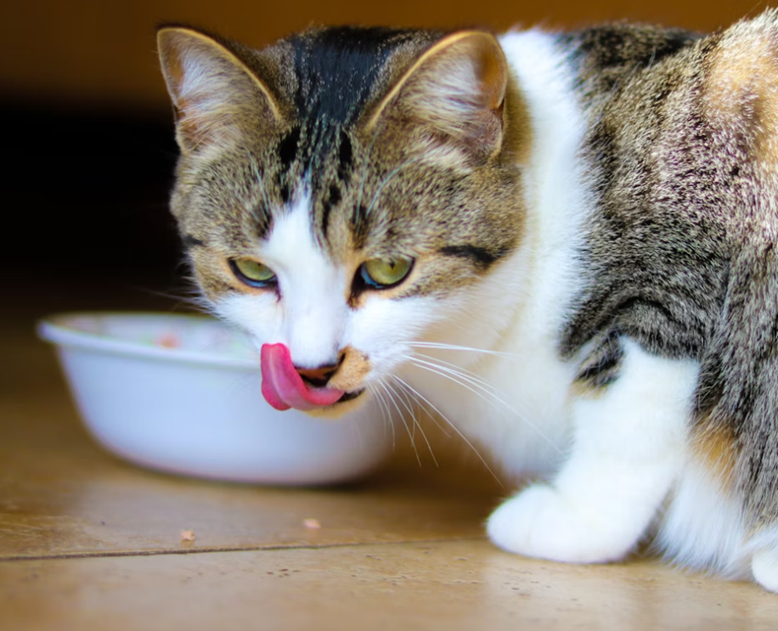
Choosing the best cat food for indoor cats can be overwhelming. Pet owners are confronted with shelves full of options, each boasting claims like “all-natural,” “grain-free,” or “complete nutrition.” But understanding cat food labels is key to ensuring your feline gets the nutrients they need to stay healthy, active, and happy. This guide will help you decode cat food labels, identify crucial ingredients, and make informed choices for your indoor cat.
Why Understanding Cat Food Labels Matters
Indoor cats have unique nutritional needs. Unlike outdoor cats, they are generally less active, which can affect weight, urinary health, and overall wellness. Choosing the best cat food for indoor cats isn’t just about picking a brand that looks good on the shelf. It’s about understanding what your cat truly needs to thrive.
Reading and understanding cat food labels empowers you to:
-
Identify high-quality protein sources
-
Avoid unnecessary fillers and artificial additives
-
Ensure your cat receives balanced nutrition
-
Make cost-effective and health-conscious choices
Breaking Down Cat Food Labels
 A typical cat food label contains several sections, each offering valuable information. Here’s how to make sense of them.
1. Guaranteed Analysis
The guaranteed analysis lists the minimum percentages of protein and fat, and the maximum percentages of fiber and moisture.
-
Protein: Cats are obligate carnivores, meaning they need animal-based protein to survive. Look for high-quality protein like chicken, turkey, or fish. For indoor cats, a protein content of 30–40% is often ideal.
-
Fat: Fat provides energy and supports a shiny coat. Indoor cats generally need slightly lower fat than outdoor cats, but around 10–20% is common.
-
Fiber: Fiber helps regulate digestion. Indoor cats can benefit from moderate fiber content to prevent hairball formation.
Tip: Don’t rely solely on percentages. The source of protein and fat matters more than the numbers.
2. Ingredients List
The ingredients list is perhaps the most important section of a cat food label. Ingredients are listed in descending order by weight.
-
Look for named animal proteins first: Ingredients like “chicken,” “salmon,” or “beef” are better than generic “meat by-products.”
-
Avoid fillers and artificial additives: Corn, wheat, soy, artificial colors, and flavors can contribute to weight gain and allergies in indoor cats.
-
Check for essential nutrients: Taurine, omega-3 and omega-6 fatty acids, vitamins, and minerals are critical for overall health.
Example:
A label reading “Chicken, Chicken Meal, Brown Rice, Peas, Chicken Fat” is better than “Meat By-Products, Corn, Wheat Gluten, Animal Fat.”
3. Nutritional Adequacy Statement
Look for a nutritional adequacy statement from AAFCO (Association of American Feed Control Officials). It indicates the food meets minimum requirements for a cat’s life stage: kitten, adult, or senior.
-
Adult Maintenance: Best for fully grown indoor cats.
-
All Life Stages: Suitable for kittens and adults but may be too calorie-dense for less active indoor cats.

Are you finding this article useful? Would you like 100% free access to more articles like these, and free access to over 5,000 vetted pet care service professionals throughout the United States? Sign up here for a free Petworks account, and we’ll email you a 10% discount code, good towards your first pet care services booking on Petworks!
4. Feeding Guidelines
Most labels include feeding instructions based on weight. These are general guidelines, but your indoor cat may require adjustments depending on activity level and metabolism.
Tip: Monitor your cat’s weight and adjust portions to maintain a healthy body condition. Indoor cats are prone to obesity, so following the label blindly can sometimes lead to overeating.
Special Considerations for Indoor Cats
Indoor cats have specific dietary needs due to their lifestyle:
-
Lower calorie needs: Less active cats require fewer calories.
-
Urinary health: Indoor cats are prone to urinary tract issues. Look for foods formulated for urinary support, often labeled “indoor formula” or “urinary care.”
-
Hairball management: Moderate fiber helps reduce hairball formation.
Brands that cater specifically to indoor cats often include moderate protein, balanced fiber, and controlled fat to maintain a healthy weight without compromising nutrition.
Common Ingredients to Avoid
When searching for the best cat food for indoor cats, it’s important to avoid ingredients that provide little nutritional value or may cause harm over time.
-
By-products and fillers: These can be low-quality protein sources and may trigger allergies.
-
Artificial preservatives: BHA, BHT, and ethoxyquin can be harmful in large amounts.
-
Excess grains: While not harmful in moderation, too much corn, wheat, or soy can add unnecessary calories.
-
Excess salt or sugar: Can contribute to urinary and kidney problems.
Understanding Wet vs. Dry Food
Both wet and dry cat foods have advantages, and many indoor cats benefit from a mix of both.
Wet Food
-
Higher moisture content helps with hydration and urinary tract health.
-
Often higher in protein and lower in carbohydrates.
-
Can be more palatable for picky eaters.
Dry Food
-
Convenient and helps with dental health by reducing tartar buildup.
-
Longer shelf life and easier to store.
-
Often more calorie-dense, so portion control is critical for indoor cats.
Tip: If feeding dry food, make sure fresh water is always available to prevent urinary issues.
Decoding Marketing Terms
Pet food labels are full of marketing buzzwords. Here’s what they actually mean:
-
Natural: Minimally processed ingredients, but not regulated. Still, check the ingredients.
-
Organic: Ingredients grown without pesticides, herbicides, or antibiotics.
-
Grain-Free: No corn, wheat, or soy. Not necessarily healthier. Sometimes replaced with higher carbs like potatoes.
-
Indoor Formula: Tailored for less active cats, usually with lower calories and extra fiber.
Understanding these terms can help you identify the best cat food for indoor cats without being misled by marketing.
Tips for Choosing the Right Food
-
Consult your veterinarian: Every cat is unique. Age, weight, and health conditions matter.
-
Check protein sources first: High-quality animal protein is important for indoor cats.
-
Look for indoor-specific formulas: Helps with weight control and hairball management.
-
Rotate proteins occasionally: Keeps cats interested in their food and reduces allergy risks.
-
Read reviews and recall history: A reputable brand with a solid track record reduces risk of contamination.
Homemade vs. Commercial Cat Food
Some pet parents consider homemade diets. While homemade food can be healthy, it’s challenging to ensure a complete, balanced diet.
-
Pros: Complete control over ingredients, freshness, and potential allergens.
-
Cons: Risk of nutritional deficiencies if not properly formulated.
Many veterinarians recommend commercially prepared foods labeled “complete and balanced” for convenience and safety, especially for indoor cats with controlled activity levels.
Let’s Hear From The Cat Experts…
🐾 Dr. Lisa Pierson, DVM – Feline Nutrition Advocate
“Cats are obligate carnivores, meaning they require animal-based proteins to thrive. When reading cat food labels, prioritize named animal proteins like ‘chicken’ or ‘turkey’ at the top of the ingredient list. Avoid generic terms like ‘meat by-products,’ which can be less nutritious and harder to digest.”
🐾 Dr. Karen Becker, DVM – Integrative Veterinarian
“The most important piece of information on a cat food label is the nutritional adequacy statement. This indicates whether the food is complete and balanced for your cat’s life stage. Always ensure the food meets AAFCO (Association of American Feed Control Officials) standards to provide optimal nutrition.”
Monitoring Your Cat’s Health
Even with the best cat food for indoor cats, it’s essential to monitor their health:
-
Weight: Indoor cats gain weight more easily; aim for a lean body condition.
-
Coat: Shiny, soft fur indicates good nutrition.
-
Energy: Indoor cats should still remain playful and alert.
-
Urinary and Digestive Health: Check litter box habits for any signs of trouble.
Regular veterinary checkups complement a well-chosen diet and ensure your cat is thriving.
Frequently Asked Questions
1. What is the best cat food for indoor cats?
The best cat food for indoor cats is high in quality protein, moderate in fat, and contains fiber to aid digestion and prevent hairballs. Look for formulas labeled “indoor cat food” or “weight management” to match their lower activity levels. Always check the ingredients list for named animal proteins like chicken, turkey, or fish as the first ingredient.
2. Can indoor cats eat dry food only?
Yes, indoor cats can eat dry food exclusively, but it’s important to monitor their water intake. Dry food is convenient and can help with dental health, but indoor cats are prone to urinary issues, so pairing dry food with wet food or ensuring plenty of fresh water is recommended.
3. Are grain-free foods better for indoor cats?
Not necessarily. Grain-free foods often replace grains with higher-carb alternatives like potatoes or peas. The key is to focus on high-quality protein and a balanced nutrient profile. Indoor cats benefit more from controlled calories and appropriate fiber than from grain-free labels alone.
4. How do I read a cat food label correctly?
Start by checking the ingredients list (animal protein first), the guaranteed analysis (protein, fat, fiber, moisture), and the nutritional adequacy statement (AAFCO approved for life stage). Avoid fillers, artificial additives, and by-products to ensure your indoor cat receives the nutrients they need.
5. How often should I switch my indoor cat’s food?
Switching proteins occasionally can help prevent allergies and maintain interest in their diet. However, do it gradually over 7–10 days to avoid digestive upset. Stick to high-quality indoor formulas that meet your cat’s nutritional needs.
6. Can homemade food be the best option for indoor cats?
Homemade food can work if carefully balanced for protein, vitamins, and minerals. However, most veterinarians recommend commercial “complete and balanced” foods for indoor cats because they reduce the risk of nutritional deficiencies and are convenient for everyday feeding.
7. How can I ensure my indoor cat stays healthy on their diet?
Monitor weight, coat condition, energy level, and litter box habits regularly. Combine proper feline nutrition with routine veterinary checkups and portion control to keep your indoor cat healthy and prevent obesity or urinary issues.
Decoding cat food labels may seem daunting, but understanding the basics can make a huge difference in your cat’s health. Prioritize high-quality protein, essential nutrients, and formulas tailored for indoor cats. Avoid fillers, artificial additives, and misleading marketing claims. By reading labels carefully and choosing wisely, you can confidently select the best cat food for indoor cats, keeping your furry friend healthy, happy, and active for years to come.
About Petworks
 In 2021, Dr. Marty Goldstein DVM joined the pet care platform Petworks as an advisor in its Animal Nutrition care division. Dr Marty Nature’s Blend is on a mission to help your pets live their healthiest lives possible. Dr. Marty’s pet nutrition expertise and guidance has helped Petworks evolve and become the preeminent animal and pet nutrition consultation service for pet parents in North America.
 In 2022, Blue Buffalo Founder Bill Bishop Jr. joined Petworks as Senior Advisor in our Animal Nutrition Care Division. Bill brings his extensive expertise in pet food innovation and business leadership. His guidance helps Petworks enhance our pet nutrition service offerings, helping to ensure that pet parents throughout the world receive trusted, science-backed nutritional support for their dogs, cats, and animals.
About The Author
 Petworks Co-Founder Kevin Kinyon is a life-long animal lover who works tirelessly to improve the lives of pets and their parents. Human and animal qualities he values most are integrity, humor, and empathy.

 petworks tm