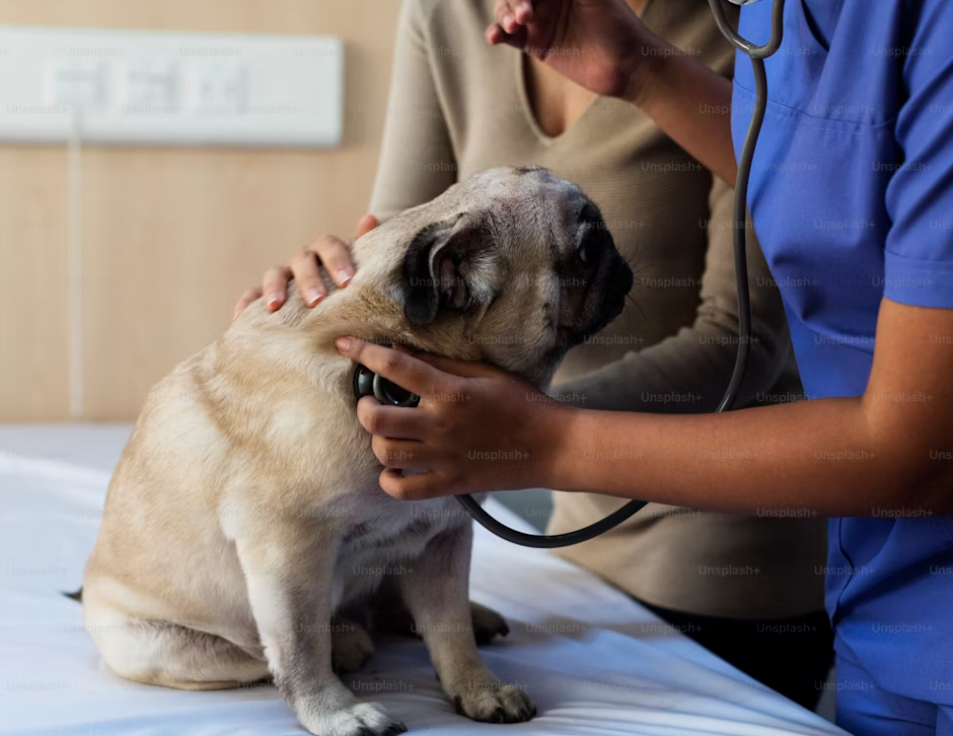
Maintaining your dog’s health is one of the most important responsibilities of pet ownership. Regular check-ups with a veterinarian for dogs ensure your furry friend stays healthy, happy, and protected from preventable diseases. But how often should your dog see the vet? The answer depends on age, breed, and overall health. Following proper guidelines helps keep your dog in top dog health.
Why Regular Vet Visits Are So Important for Dog Health
Routine visits to a veterinarian for dogs are more than just vaccinations. They allow your vet to:
-
Monitor your dog’s overall dog health and weight
-
Detect early signs of illness such as diabetes, kidney problems, or arthritis
-
Update vaccinations and parasite prevention
-
Provide guidance on diet, exercise, and lifestyle. A consultation with a clinical dog nutritionist is always recommended as well.
 “Routine visits to a veterinarian for dogs are the best way to catch health issues early,” says Dr. Emily Sanchez, DVM. “Even dogs that seem healthy benefit from annual check-ups.”
How Often Should Dogs of Different Ages See a Veterinarian for Dogs?
Puppies (0–1 Year)
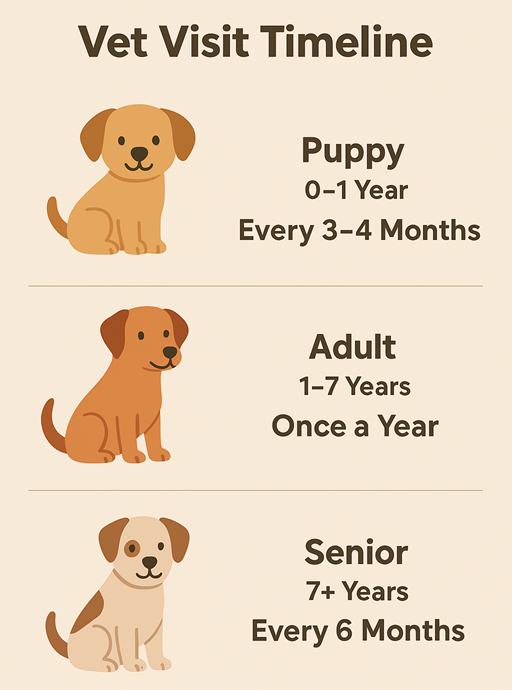
Puppies need frequent visits for vaccinations, spaying or neutering, and early health assessments. A typical schedule may include:
-
Every 3–4 weeks until 16 weeks old for vaccinations
-
At 6–12 months for spay/neuter and overall dog health evaluation
Adult Dogs (1–7 Years)
For healthy adult dogs, a once-a-year visit to a veterinarian for dogs is usually sufficient. During these visits, your vet will:
-
Conduct a complete physical exam
-
Review vaccination and parasite prevention status
-
Provide guidance on diet, exercise, and dog health maintenance
Senior Dogs (7+ Years)
Senior dogs are more prone to chronic conditions, so every 6 months may be recommended. These visits often include:
-
Thorough physical exams
-
Bloodwork and urine tests
-
Monitoring for breed-specific health concerns

Are you finding this article useful? Would you like 100% free access to more articles like these, and free access to over 5,000 vetted pet care service professionals throughout the United States? Sign up here for a free Petworks account, and we’ll email you a 10% discount code, good towards your first pet care services booking on Petworks!
Breed and Health Considerations
Certain breeds are predisposed to specific health issues that may require more frequent visits:
-
Large breeds: hip dysplasia, heart problems
-
Small breeds: dental issues, obesity
-
Short-nosed breeds (Bulldogs, Pugs): respiratory problems
Dogs with chronic illnesses may need visits every 3–4 months to maintain optimal dog health.
Warning Signs Your Dog Needs a Vet Outside Routine Visits
Even with regular check-ups, you should contact a veterinarian for dogs immediately if you notice:
-
Sudden changes in appetite or weight
-
Lethargy or unusual behavior
-
Persistent vomiting or diarrhea
-
Limping or difficulty moving
-
Coughing, sneezing, or breathing problems
“Don’t wait for the next scheduled appointment if your dog shows changes in behavior or health,” Dr. Sanchez warns. “Early detection is key for maintaining long-term dog health.”
Tips for Stress-Free Vet Visits
-
Acclimate your dog: Make visits positive by offering treats and calm interactions
-
Keep a health journal: Track behavior, appetite, and energy levels
-
Ask questions: Don’t hesitate to discuss concerns with your veterinarian for dogs
FAQs
Q: Are vaccinations included in routine vet visits?
A: Yes. Most vets administer vaccines during annual exams, but boosters may be required depending on your dog’s age and lifestyle.
Q: Can I skip vet visits if my dog seems healthy?
A: No. Many illnesses develop without obvious symptoms. Routine visits to a veterinarian for dogs help detect problems early and maintain dog health.
Q: How can I afford frequent vet visits?
A: Consider pet insurance or wellness plans offered by clinics, which help reduce out-of-pocket costs for preventive care.
Regular visits to a veterinarian for dogs are a cornerstone of lifelong dog health. By following age-appropriate check-up schedules, monitoring for warning signs, and maintaining preventive care, you can help your dog live a longer, happier, and healthier life. Remember, even seemingly healthy dogs benefit from routine veterinary care, and building a strong relationship with your vet ensures that your furry friend gets the best guidance for nutrition, exercise, and overall well-being. Prioritizing your dog’s health today means fewer surprises tomorrow, and a happier companion by your side for years to come.
About Petworks
 In 2021, Dr. Marty Goldstein DVM joined the pet care platform Petworks as an advisor in its Animal Nutrition care division. Dr Marty Nature’s Blend is on a mission to help your pets live their healthiest lives possible. Dr. Marty’s pet nutrition expertise and guidance has helped Petworks evolve and become the preeminent animal and pet nutrition consultation service for pet parents in North America.
 In 2022, Blue Buffalo Founder Bill Bishop Jr. joined Petworks as Senior Advisor in our Animal Nutrition Care Division. Bill brings his extensive expertise in pet food innovation and business leadership. His guidance helps Petworks enhance our pet nutrition service offerings, helping to ensure that pet parents throughout the world receive trusted, science-backed nutritional support for their dogs, cats, and animals.
About The Author
 Petworks Co-Founder Kevin Kinyon is a life-long animal lover who works tirelessly to improve the lives of pets and their parents. Human and animal qualities he values most are integrity, humor, and empathy.

 petworks tm