How to lessen dog shedding. If you share your home with a dog, you’re probably familiar with the constant tumbleweeds of fur rolling across the floor. Dog shedding is completely normal…it’s part of the natural hair growth cycle, but excessive shedding can leave your home covered in hair and might even indicate underlying health issues. The good news? There are several easy and effective ways to reduce shedding in dogs, improve your dog’s coat health, and keep your house cleaner in the process.
In this guide, we’ll cover five simple ways to manage dog shedding, along with helpful grooming, diet, and care tips that can make a big difference.
1. Brush Your Dog Regularly (The Right Way)
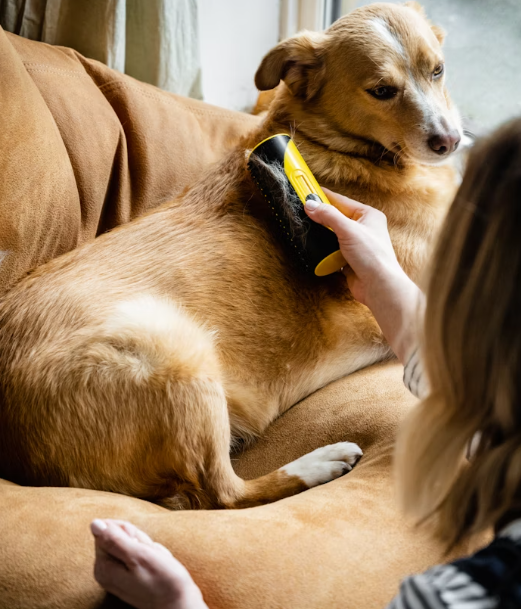
Regular brushing is one of the most effective ways to control dog hair loss and reduce shedding. When you brush your dog’s coat, you’re not only removing loose fur before it ends up on your furniture, but you’re also distributing natural oils that keep your dog’s skin healthy.
Different breeds require different brushing tools:
-
Short-haired dogs (like Beagles or Boxers) benefit from a rubber curry brush or grooming glove.
-
Double-coated breeds (such as Golden Retrievers or Huskies) shed heavily, especially during seasonal changes. Use an undercoat rake or de-shedding tool to reach the loose fur underneath.
-
Long-haired dogs (like Collies or Shih Tzus) need slicker brushes to prevent tangles and mats.
Try to brush your dog at least a few times a week, or daily during shedding season. A consistent brushing routine helps reduce dog shedding at the source and promotes a healthy, shiny coat.
Pro tip: Brush your dog outdoors when possible to keep loose hair out of your home.
2. Feed a High-Quality Diet Rich in Omega Fatty Acids
Just like humans, dogs need proper nutrition for healthy skin and fur. A balanced diet supports your dog’s coat and reduces excessive shedding caused by dry skin or poor nutrition.
Look for dog foods that contain:
-
Omega-3 and Omega-6 fatty acids (from salmon oil, flaxseed, or fish meal)
-
Protein from real meat sources (chicken, lamb, or fish)
-
Vitamins and minerals (especially zinc, vitamin E, and biotin)
If your dog’s current food is low-quality or filled with fillers, you might notice dull fur and more shedding. Switching to a high-quality dog food can dramatically improve coat condition. You can also talk to your veterinarian about adding an omega-3 supplement to your dog’s diet for extra skin and coat support.
A healthy diet doesn’t just reduce dog shedding—it also boosts energy, strengthens the immune system, and can even reduce itching or flaking.
Vet insight: Dr. Karen Becker, DVM, notes, “A shiny coat starts from within. Dogs with balanced nutrition, especially omega fatty acids, tend to shed less and have healthier skin overall.”
3. Bathe Your Dog Regularly (But Not Too Often)
Bathing is another powerful tool to help control dog shedding, but over-bathing can do more harm than good. Too many baths strip away your dog’s natural oils, leading to dry skin and even more shedding.
 Most dogs only need a bath once every 4–6 weeks, though this depends on your dog’s breed, activity level, and coat type. During shedding season, a bath can loosen dead fur and make brushing more effective.
When bathing, use a de-shedding shampoo and conditioner that moisturizes the skin and strengthens the coat. Avoid human shampoos, they’re not pH-balanced for dogs and can cause irritation. Need help with all of this? Hire a mobile dog grooming service and cut yourself a break!
Steps for an effective shedding-control bath:
-
Brush first to remove tangles and dead hair.
-
Use warm (not hot) water to relax the coat.
-
Massage the shampoo into the skin for 3–5 minutes.
-
Rinse thoroughly to avoid residue buildup.
-
Dry completely before brushing again to remove loosened fur.
Adding a dog conditioner after shampooing can also help by sealing in moisture and reducing breakage.
Pro Tip: For heavy shedders like Labs, Corgis, or Huskies, use a de-shedding shampoo once a month during shedding season.
4. Control Fleas, Allergies, and Skin Conditions
Sometimes, excessive shedding in dogs isn’t just about normal hair cycles — it’s a sign of an underlying issue. Common culprits include fleas, allergies, and skin infections. When a dog’s skin becomes irritated, they tend to scratch or lick excessively, causing more hair to fall out.
Watch for these warning signs:
-
Red, flaky, or irritated skin
-
Bald patches or hot spots
-
Persistent scratching or chewing
-
Dull or brittle fur
If you notice any of these, schedule a vet visit to rule out conditions like food allergies, parasites, or hormonal imbalances. Your vet might recommend medicated shampoos, supplements, or prescription flea treatments to get the problem under control.
Keeping your dog’s skin healthy is one of the best long-term ways to reduce shedding naturally.
Did you know? Seasonal allergies can make some dogs shed more in spring and fall. Regular grooming combined with a balanced diet can help minimize flare-ups.
Are you finding this article useful? Would you like 100% free access to more articles like these, and free access to over 5,000 vetted pet care service professionals throughout the United States? Sign up here for a free Petworks account, and we’ll email you a 10% discount code, good towards your first pet care services booking on Petworks!

5. Keep Your Home and Environment Clean
Even with the best grooming habits, no dog owner can completely eliminate shedding — but you can make cleanup easier and maintain a healthy environment.
-
Vacuum frequently using a pet-hair-specific vacuum cleaner.
-
Use washable dog beds and blankets to trap fur.
-
Lint rollers and rubber gloves are perfect for quick clean-ups on furniture.
-
Air purifiers can help remove dander and hair from the air, improving indoor air quality (especially important for allergy sufferers).
Brushing your dog outdoors also reduces the amount of loose hair in your home. If possible, groom your pet on a porch or in the yard — and shake out blankets or beds outside before washing.
Maintaining a clean environment doesn’t directly stop shedding, but it keeps fur under control and reduces allergens, making your home more comfortable for everyone.
When to See a Vet About Shedding
While shedding is normal for most dogs, excessive or patchy shedding may indicate a health issue. Contact your veterinarian if you notice:
-
Sudden hair loss or bald spots
-
Constant itching or licking
-
Scabs or redness
-
Unusual odor from the skin
These symptoms could point to allergies, parasites, thyroid disorders, or other skin problems that require medical attention.
🐶 Frequently Asked Questions About Dog Shedding
1. Why is my dog shedding so much all of a sudden?
Sudden or excessive shedding can happen when the seasons change, especially in spring and fall. However, it can also be caused by stress, poor diet, allergies, or skin infections. If your dog’s shedding is extreme or you notice bald spots or itching, it’s best to see your veterinarian to rule out any underlying health issues.
2. What home remedies can help stop dog shedding?
Simple home remedies include brushing your dog daily, feeding a high-quality diet with omega-3 fatty acids, and bathing once a month with a moisturizing or de-shedding shampoo. Adding a fish oil supplement (with vet approval) and keeping your dog hydrated also help reduce shedding naturally.
3. Does brushing my dog every day reduce shedding?
Yes! Regular dog brushing removes loose fur before it falls out and spreads around your home. It also improves circulation, distributes natural oils, and keeps your dog’s coat healthy. During heavy shedding seasons, daily brushing can significantly reduce dog shedding.
4. What is the best brush for dog shedding?
The best brush depends on your dog’s coat type. Short-haired breeds benefit from rubber curry brushes or grooming gloves, while double-coated dogs (like Huskies or Retrievers) need an undercoat rake or de-shedding tool. Long-haired dogs often do best with a slicker brush to prevent tangles.
5. How often should I bathe my dog to reduce shedding?
Most dogs only need a bath every 4–6 weeks. Over-bathing can dry out the skin and make shedding worse. Use a dog-specific de-shedding shampoo and follow with a conditioner to lock in moisture and strengthen the coat.
6. Does diet really affect how much my dog sheds?
Absolutely. A poor diet lacking in nutrients or healthy fats can lead to dry, brittle fur and increased shedding. Feeding a balanced diet rich in omega fatty acids helps maintain healthy skin and reduces excess hair loss. High-quality dog food and supplements can make a noticeable difference in coat condition.
7. Can I completely stop my dog from shedding?
No dog can stop shedding entirely—shedding is a natural process. However, with regular grooming, proper nutrition, and good skin care, you can greatly minimize dog shedding and keep your home much cleaner.
8. What months do dogs shed the most?
Dogs typically shed most during spring and fall, when they’re transitioning between their winter and summer coats. However, indoor dogs exposed to artificial light and temperature control may shed lightly year-round.
9. When should I worry about my dog’s shedding?
If your dog is shedding excessively with bald spots, red skin, scabs, or constant itching, it’s time to see a veterinarian. These symptoms could indicate allergies, parasites, or hormonal imbalances that need medical treatment.
10. How can I reduce dog hair in my house?
Brush your dog outdoors, vacuum frequently with a pet-hair vacuum, wash your dog’s bedding weekly, and use lint rollers or rubber gloves for quick clean-ups. Keeping your dog’s coat healthy and your home clean are the best defenses against pet hair buildup.
Embrace the Fur (Within Reason)
It’s important to remember that some shedding is perfectly natural—it’s how your dog’s body renews its coat. But by combining proper grooming, a balanced diet, and regular care, you can minimize dog shedding, keep your pet comfortable, and enjoy a cleaner home.
In short:
-
Brush your dog often to remove loose fur.
-
Feed a high-quality diet rich in omega-3s.
-
Bathe properly with de-shedding shampoo.
-
Address allergies and skin health.
-
Keep your home clean and hair-free.
With consistency and the right tools, you’ll see a noticeable difference in your dog’s coat health and shedding levels. A shiny coat is a sign of a happy, healthy dog, and a happy owner who isn’t constantly sweeping up fur!
About Petworks
 In 2021, Dr. Marty Goldstein DVM joined the pet care platform Petworks as an advisor in its Animal Nutrition care division. Dr Marty Nature’s Blend is on a mission to help your pets live their healthiest lives possible. Dr. Marty’s pet nutrition expertise and guidance has helped Petworks evolve and become the preeminent animal and pet nutrition consultation service for pet parents in North America.
 In 2022, Blue Buffalo Founder Bill Bishop Jr. joined Petworks as Senior Advisor in our Animal Nutrition Care Division. Bill brings his extensive expertise in pet food innovation and business leadership. His guidance helps Petworks enhance our pet nutrition service offerings, helping to ensure that pet parents throughout the world receive trusted, science-backed nutritional support for their dogs, cats, and animals.
About The Author
 Petworks Co-Founder Kevin Kinyon is a life-long animal lover who works tirelessly to improve the lives of pets and their parents. Human and animal qualities he values most are integrity, humor, and empathy.

 petworks tm