
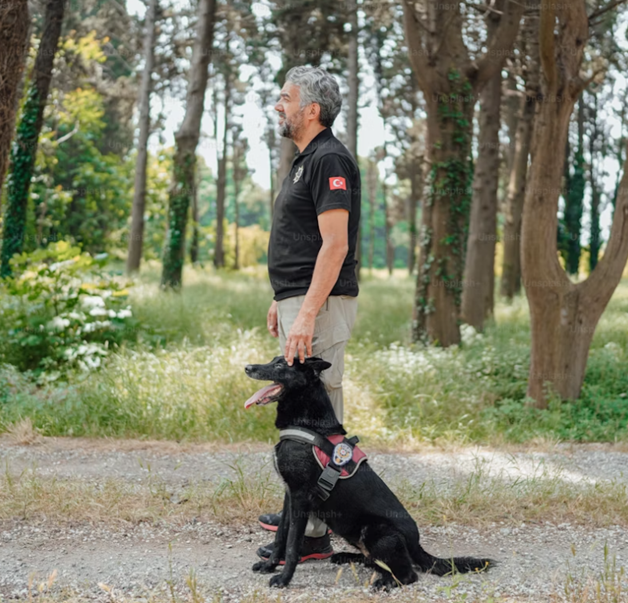
The Journey to a Well Behaved Canine Companion. Welcome to the definitive dog training guide for the modern dog owner. In 2026, the bond between humans and their canine companions is more cherished than ever. Yet, a truly harmonious relationship isn’t just born; it’s built through understanding, patience, and consistent effort.
This comprehensive dog training guide isn’t merely about teaching your dog commands; it’s about fostering a deep, respectful partnership that enriches both your lives. A well trained dog is a joy to live with, a confident participant in family life, and a safer member of the community. Without proper guidance, even the most loving dog can develop behaviors that challenge the household, leading to frustration for both pet and owner. This guide sets the stage for success, providing you with the knowledge and practical strategies needed to cultivate a well behaved, happy canine companion for years to come. Whether you’re bringing home a new puppy, adopting an adult dog, or looking to refine the skills of your long time friend, this ultimate dog training guide will equip you with the tools for a rewarding journey.
Part 1: Understanding Your Dog Before Training Begins
Before you even think about teaching a sit or a stay, it’s crucial to understand the incredible creature living in your home. Effective dog training begins not with commands, but with comprehension. This section of our dog training guide delves into the fundamental aspects of canine cognition, behavior, and communication, laying the groundwork for all successful training endeavors.
Chapter 1: The Canine Mind Unveiled
To truly embark on effective dog training, you must first peer into the mind of your furry friend. Dogs don’t think like humans, and understanding their unique learning processes is paramount. They primarily learn through two powerful mechanisms: classical conditioning and operant conditioning. Classical conditioning, made famous by Pavlov, is about association; a dog learns to anticipate an event based on a preceding signal, like the sound of the treat bag meaning food is coming. Operant conditioning, on the other hand, involves learning through consequences. If a behavior leads to a positive outcome, the dog is more likely to repeat it. If it leads to an undesirable outcome, the behavior decreases. This fundamental insight forms the bedrock of modern, humane dog training guide principles, moving away from outdated, force based methods.
Understanding
 Understanding dog psychology also means recognizing that your dog is driven by instincts, motivations, and emotions. They are pack animals, even in a human family, seeking structure and belonging. Debunking common myths about dog behavior is equally important. The outdated concept of “dominance theory,” which suggests you must constantly assert yourself as the “alpha” over your dog, has been widely refuted by scientific research. Professional trainers emphasize building trust and leadership through positive reinforcement, not intimidation.
“Training often fails because people expect way too much of the animal and way too little of themselves,” as Robert Bailey, veteran animal trainer and lecturer, wisely observed.
This highlights the human responsibility in the dog training equation. Furthermore, recognizing breed specific traits can give you an edge. A Border Collie’s natural herding instinct will manifest differently from a Basset Hound’s scent driven nature, influencing how they respond to training and what mental and physical stimulation they need. This chapter serves as your initial dog training guide to seeing the world through your dog’s eyes.
Chapter 2: Essential Preparations for Dog Training
Successful dog training guide efforts don’t happen in a vacuum; they require preparation. Creating a conducive training environment is the first step. This means a space free from excessive distractions initially, where your dog can focus on you. As training progresses, you’ll gradually introduce distractions to generalize behaviors. Basic equipment is also vital for every dog training guide session. A comfortable, well fitting collar or harness and a sturdy leash are non negotiable for safety and control. High value, pea sized treats are indispensable for positive reinforcement, as are favorite toys for rewards or play breaks. A clicker can be an incredibly useful tool for precise timing in marking desired behaviors, though it’s not strictly essential for everyone.
Beyond equipment, the role of nutrition and health in a dog’s trainability cannot be overstated. A dog that is unwell, uncomfortable, or receiving inadequate nutrition will struggle to learn and perform. Ensure your dog is on a balanced diet and has regular veterinary checkups. Any sudden changes in behavior or trainability warrant a vet visit. Perhaps one of the most underrated preparations is establishing a consistent routine. Dogs thrive on predictability. Consistent feeding times, potty breaks, exercise schedules, and designated training slots provide a sense of security and structure. This consistency is the unseen foundation upon which every successful dog training guide rests, helping your dog understand when and where learning will occur.
Communication
Chapter 3: Communication is Key: Speaking Dog
True partnership in dog training hinges on effective two way communication. You need to understand what your dog is telling you, and your dog needs to understand what you’re asking of them. Learning to read canine body language is like learning a new language. A wagging tail isn’t always a sign of happiness; its height and speed, combined with the dog’s overall posture, tell a more complex story. Pinned back ears, lip licking, yawning, tail tucking, or averting gaze can all signal stress or discomfort. Understanding these subtle cues allows you to adapt your training approach, avoid overwhelming your dog, and build trust.
 “My dogs will follow me because they want to, not because they are afraid of what will happen if they don’t,” noted Victoria Stilwell, dog trainer, behavior expert, and star of the series “It’s Me or the Dog.” This powerful statement underscores the importance of a relationship built on mutual understanding and positive communication rather than fear.
Just as important is how dogs perceive our communication. They are masters of reading our nonverbal cues: our tone of voice, body posture, hand gestures, and even our facial expressions. Consistency in your commands and signals is paramount. If “sit” sometimes means one thing and sometimes another, your dog will become confused and frustrated. Use clear, concise verbal cues and consistent hand signals. Avoid repeating commands endlessly; instead, give the command once, then guide your dog into the desired position and reward. This directness and clarity are essential elements of any effective dog training guide. By developing these clear communication channels, you’re not just issuing commands; you’re engaging in a conversation, building a bridge of understanding that strengthens your bond and makes every training session a positive experience.
Part 2: The Foundations of Effective Dog Training
With a deeper understanding of your dog’s mind and the necessary preparations in place, we can now delve into the core principles that underpin all successful dog training guide methods. This section focuses on positive reinforcement, building a strong bond, and the crucial aspect of socialization, all of which are indispensable for a happy, well adjusted canine companion.
Chapter 4: Positive Reinforcement: The Cornerstone of Modern Dog Training
At the heart of every effective and humane dog training guide lies the principle of positive reinforcement. What does positive reinforcement truly mean? In simple terms, it means adding something desirable to the environment immediately after a desired behavior occurs, thereby increasing the likelihood that the behavior will happen again. This isn’t about bribing your dog; it’s about clear communication and motivation. When your dog sits and you immediately give them a tasty treat, they quickly learn that “sit” leads to good things. This method creates a dog who is eager to learn and offer behaviors, rather than one who acts out of fear of punishment. It builds confidence and a desire to engage with you, transforming training into a fun game rather than a chore.
The power of positive reinforcement lies in its ability to build a strong, trusting relationship between you and your dog. Unlike aversive methods that rely on fear or pain, positive reinforcement makes you a source of good things, not a source of discomfort. Timing and consistency in reward delivery are absolutely critical for its effectiveness. The reward must be given within one to three seconds of the desired behavior for your dog to clearly associate the action with the consequence. If you wait too long, your dog won’t understand what they are being rewarded for. Consistency means rewarding the desired behavior every single time in the initial learning phase, then moving to an intermittent schedule once the behavior is established. There are various types of rewards beyond just food. Praise, a favorite toy, a game of fetch, or even access to something your dog wants (like going out for a walk or getting to chase a squirrel, when appropriate) can all serve as powerful motivators.
“The best training tip out there is so simple it likely slips your mind: catch your dog doing something right,” advises Kathy Callahan, Certified Professional Dog Trainer (CPDT-KA) and Family Dog Mediator (FDM). This statement encapsulates the essence of positive reinforcement and should be a mantra for every user of this dog training guide. By actively seeking out and rewarding good behaviors, you strengthen them and build a foundation of success.
Chapter 5: Building a Bond: Trust and Relationship in Dog Training
Beyond the mechanics of commands, a truly great dog training guide emphasizes the profound importance of the bond between you and your dog. Training isn’t just about control; it’s about fostering a strong partnership built on trust, respect, and mutual understanding. When your dog trusts you, they are more willing to try new things, more resilient in the face of challenges, and more eager to please. This bond is developed through consistent, positive interactions, fair treatment, and clear communication, as discussed in previous chapters.
Play serves as an incredibly powerful dog training tool and a bond builder. Engaging in regular, joyful play sessions with your dog strengthens your connection, provides an outlet for their energy, and can even be used as a reward during training. Whether it’s a game of fetch, tug, or hide and seek, play reinforces your role as a fun and reliable companion. Handling challenges with patience and understanding is also crucial for deepening your relationship. When your dog makes a mistake, avoid frustration or punishment. Instead, calmly redirect them, break down the task into smaller steps, or simply take a break. Your patience in moments of difficulty reinforces trust and shows your dog that you are a benevolent leader. Ultimately, your relationship with your dog is the most powerful dog training guide you possess. A dog who feels safe, loved, and understood is a dog who is motivated to learn and to share their life with you, making every training endeavor more effective and every moment together more joyful.
Chapter 6: Socialization: A Lifelong Dog Training Imperative
Socialization is one of the most critical components of any comprehensive dog training guide, yet it’s often misunderstood or overlooked. It’s not just about letting your puppy play with other dogs; it’s about exposing your dog to a wide variety of positive experiences with people, places, sights, sounds, and other animals in a controlled and safe manner. For puppies, the critical socialization period is generally considered to be between 3 and 16 weeks of age. During this formative time, puppies are most open to new experiences, and positive exposure can help them develop into well adjusted, confident adult dogs. Puppy classes are excellent for structured, safe socialization.
However, socialization is a lifelong imperative, not a one time event. Continuing socialization for adult dogs is essential to maintain their confidence and prevent the development of fear or reactivity. This means regularly taking your dog to new places, meeting new people (when appropriate and safe), and having controlled, positive interactions with other well behaved dogs. Always prioritize quality over quantity; a few positive experiences are far more valuable than many overwhelming or negative ones. Prevention of fear and aggression through proper socialization cannot be emphasized enough. A dog that is comfortable and confident in various environments is less likely to exhibit fear based behaviors such as barking, lunging, or shying away. This aspect of the dog training guide ensures your dog is not just well behaved at home, but also a polite and confident member of society, capable of navigating the complexities of the human world with grace and ease.
Part 3: Core Obedience Commands for Every Dog
Once you understand your dog’s mind and have established a foundation of positive reinforcement and trust, it’s time to teach the specific skills that will enhance your life together. This section of our dog training guide focuses on the essential commands that every dog should know, starting with puppy basics and moving through the most important obedience cues. Mastering these commands is key to a well behaved, responsive companion.
Chapter 7: Puppy Training Essentials: Starting Strong
Bringing a new puppy into your home is an exciting time, and this dog training guide is here to ensure you start on the right paw. Puppy training is about more than just commands; it’s about establishing good habits and preventing common problems before they begin. Housetraining is often the first and most pressing challenge. Consistency is paramount: take your puppy out frequently (every hour or two, after waking, after eating, and before bedtime), use a designated potty spot, and praise and reward immediately when they eliminate outdoors. Accidents will happen; clean them thoroughly without scolding your puppy, as this can make them afraid to potty in front of you. Crate training is another invaluable tool. When introduced positively, the crate becomes a safe, comfortable den for your puppy, aiding in housetraining, providing a secure space when you’re away, and offering a quiet retreat. Make the crate a pleasant place with soft bedding and toys, never using it for punishment.
Nipping and biting are normal puppy behaviors, but they need to be managed effectively to prevent them from becoming painful habits. Puppies explore the world with their mouths. Teach bite inhibition by yelping loudly when your puppy bites too hard, then ignoring them for a short period. This mimics how littermates teach each other. Redirect nipping onto appropriate chew toys. As soon as your puppy arrives, begin an introduction to basic commands. Short, frequent sessions (5 10 minutes, several times a day) are ideal for their short attention spans. Start with their name, then simple cues like “sit.” Keep it fun and positive. Early exposure to these foundational elements of this dog training guide will set your puppy up for a lifetime of good behavior and a strong bond with you.
Chapter 8: The “Sit” and “Stay” Commands: Building Control
The “sit” and “stay” commands are foundational to all other obedience work and are crucial elements of any comprehensive dog training guide. Teaching “sit” is relatively straightforward. You can use the “lure and reward” method: hold a high value treat near your dog’s nose, move it slowly up and back over their head, which will naturally cause their rear end to lower. As soon as their bottom touches the ground, say “sit,” immediately mark the behavior (with a clicker or a verbal marker like “yes!”), and give the treat. Repeat this many times in short sessions. Once your dog consistently sits on cue, you can fade the lure and rely only on the verbal command.
Mastering the “stay” command builds on the “sit” and introduces the vital concepts of duration, distance, and distractions. Start by asking your dog to sit, then give the “stay” command (with an open hand signal, palm towards your dog). Take one tiny step back, then immediately step back to your dog, mark, and reward if they remained in place. Gradually increase the duration you wait and the distance you step away. Only progress when your dog is successful at the current stage. Then, introduce mild distractions, like jingling keys or walking past them. Common mistakes in teaching sit and stay include moving too fast, not being consistent with cues, or getting frustrated. Remember, patience is key. If your dog breaks the stay, calmly put them back in position and try again with less duration or distance. A reliable sit and stay are invaluable for polite greetings, waiting at doors, and general impulse control, making them cornerstone skills in this dog training guide.

Are you finding this article useful? Would you like 100% free access to more articles like these, and free access to over 5,000 vetted pet care service professionals throughout the United States? Sign up here for a free Petworks account, and we’ll email you a 10% discount code, good towards your first pet care services booking on Petworks!
Chapter 9: Reliable Recall: The Most Important Dog Training Skill
If there is one command in this dog training guide that could be life saving, it is a reliable recall: teaching your dog to come when called, every time. This skill allows your dog more freedom while ensuring their safety in potentially dangerous situations. To build a strong recall foundation, make coming to you the most rewarding thing your dog can do. Start in a low distraction environment, like your living room or a fenced yard. Use a happy, excited tone of voice and a unique recall word (e.g., “come!” or “here!”). When your dog moves towards you, praise enthusiastically and give a high value treat or engage in a quick game of tug. Never use your recall command to do something your dog dislikes, such as giving them a bath or putting them in their crate; associate it only with positive outcomes.
Once your dog consistently comes in low distraction settings, you can begin advanced recall techniques and proofing. Gradually increase distractions by moving to a slightly busier area, then to a park on a long line, allowing them to explore but always reeling them in and rewarding when they come. Practice recall at various distances and with different people. Play recall games with two people standing apart, calling the dog back and forth. The power of a solid recall cannot be overstated. It gives you the confidence to allow your dog off leash in appropriate areas, knowing they will return to you, thereby enhancing their quality of life and strengthening your bond. This vital skill is a hallmark of a well trained dog and a testament to the effectiveness of this dog training guide.
Chapter 10: Loose Leash Walking: Enjoying Walks Together
Walking your dog should be a pleasant experience for both of you, not a wrestling match. This chapter of our dog training guide focuses on teaching loose leash walking, transforming pulling into polite strolls. Dogs often pull because they learn that pulling gets them where they want to go faster. To change this, you need to teach them that a loose leash is the pathway to progress. Tools that can help include a front clip harness or a head halter, as these give you more control and redirect your dog’s attention back to you without causing pain. Avoid retractable leashes, as they actually teach dogs that pulling is okay and provide little control.
The technique for polite walks involves stopping every time your dog pulls. When the leash tightens, immediately stop walking. Only resume walking when the leash slackens, even if it’s for just a second. This teaches your dog that pulling makes forward motion stop, while a loose leash makes it continue. Reward your dog with treats and praise when they walk nicely by your side. You can also incorporate “heel” training for short bursts, where your dog walks precisely next to your leg. Practice in low distraction areas first, gradually increasing the challenge. Consistency from every family member is crucial. From pulling to polite, this dog training guide shows you how to make walks a joyful and relaxed part of your daily routine, enhancing both your enjoyment and your dog’s safety in public spaces.
Chapter 11: “Leave It” and “Drop It”: Impulse Control for Safety
Teaching your dog “leave it” and “drop it” are critical impulse control commands that can prevent them from ingesting dangerous items or help you retrieve valuable possessions. These commands are essential for safety and are integral to this dog training guide. The “leave it” command teaches your dog to ignore tempting distractions, whether it’s a dropped pill on the floor, a piece of food on the sidewalk, or another dog they’re overly excited about. Start by placing a low value treat on the floor, cover it with your hand, and say “leave it.” When your dog looks away from your hand, immediately reward them with a high value treat from your other hand. Gradually increase the temptation and duration, eventually moving to leaving the treat uncovered, then dropping it, and finally using real life distractions. The key is that “leave it” means “don’t touch that, something better is coming from me.”
The “drop it” command teaches your dog to safely relinquish items on cue. This is useful for preventing them from chewing on inappropriate objects, retrieving stolen items, or even when playing fetch. Begin by having two identical toys. Offer one toy to your dog. Once they have it, present the second, more exciting toy. As they open their mouth to switch toys, say “drop it.” When they release the first toy, immediately give them the second toy. Practice this repeatedly. Once they understand the concept, you can transition to using a high value food reward when they drop the item. Practical applications for daily life and safety are countless. A dog that understands “leave it” can walk past discarded food on the street, and a dog that understands “drop it” won’t swallow that mysterious object they just picked up. These commands are not just about obedience; they are about protecting your dog and making your life together much safer and less stressful, solidifying their importance in this comprehensive dog training guide.
Part 4: Addressing Common Behavioral Challenges
Even the most well intentioned dog owners can face perplexing behavioral issues. This section of our dog training guide offers practical, positive reinforcement based strategies for addressing common challenges, helping you understand the root causes of these behaviors and providing effective solutions to foster a more harmonious home environment.
Chapter 12: Barking: Understanding and Managing Excessive Noise
Excessive barking can be one of the most frustrating dog behaviors for owners and neighbors alike. The first step in managing nuisance barking, a key element in this dog training guide, is to understand why dogs bark. Barking is a form of canine communication, and it serves many purposes. Dogs may bark out of boredom, seeking attention, alarm (at passersby or sounds), fear, frustration, excitement, or even separation anxiety. Identifying the trigger is crucial. For example, if your dog barks excessively at people walking past the window, the trigger is sight related. If they bark when left alone, it might be separation related.
Once triggers are identified, strategies for reducing nuisance barking can be implemented. For attention barking, ignore the barking completely (turn your back, leave the room) and only reward quiet behavior. For alarm barking at windows, reduce visibility with window film or blinds, or teach your dog to bark once or twice and then “quiet” on command, followed by a reward. You can teach a “quiet” command by letting your dog bark a few times, then putting a tasty treat in front of their nose. The moment they stop barking to sniff the treat, say “quiet,” give the treat, and praise them. Gradually increase the time they need to be quiet before receiving the reward. This approach, emphasized in every comprehensive dog training guide, teaches your dog an alternative, acceptable behavior rather than simply punishing the barking. For boredom barking, increase physical exercise and mental stimulation through puzzle toys and training games. Addressing the underlying cause of barking is always more effective than simply trying to suppress the symptom.
Chapter 13: Chewing and Destructive Behavior: Redirecting Energy
Destructive chewing is a common complaint among dog owners, yet it’s a completely natural canine behavior. This chapter of your dog training guide explains why dogs chew and how to redirect this instinct safely. Puppies chew to explore their world and relieve discomfort from teething. Adult dogs chew for various reasons: boredom, stress, anxiety, habit, or simply because it feels good and provides mental stimulation. When dogs don’t have appropriate outlets, they turn to household items, which can be dangerous for them and frustrating for you.
Providing appropriate outlets and chew toys is the cornerstone of managing destructive chewing. Offer a variety of chew toys with different textures and durability levels, such as KONGs stuffed with treats, durable rubber toys, or safe dental chews. Rotate toys to keep them interesting. Make sure these are always readily available and more appealing than your furniture or shoes. Management strategies for preventing damage are equally important. When you cannot supervise your dog, confine them to a dog proofed area, like a crate or a playpen, where they only have access to their appropriate chew toys. Use deterrent sprays (bitter apple, for example) on items you don’t want them to chew, though these are often only temporary solutions. Engage your dog in plenty of exercise and mental stimulation daily to reduce boredom driven chewing. A tired dog with a satisfied chewing instinct is far less likely to be destructive, a principle championed throughout this dog training guide.
Chapter 14: Jumping Up: Teaching Polite Greetings
Few behaviors are as universally annoying as a dog jumping up on people, whether family members or guests. This part of our dog training guide offers strategies for teaching polite greetings. Dogs jump up for attention, excitement, or simply to greet us at face level. They learn that jumping often leads to some form of interaction, even if it’s negative (like pushing them off), inadvertently reinforcing the behavior.
To train alternatives for greeting people, the key is to teach your dog that four paws on the floor get them the attention they crave. When your dog jumps, calmly turn your back, cross your arms, and completely ignore them. The moment all four paws are on the floor, immediately turn around, praise them, and offer a calm greeting or a treat. If they jump again, repeat the process. Consistency is key in discouraging jumping. Every single person who interacts with your dog must follow this rule. If some people allow jumping and others do not, your dog will become confused and the behavior will persist. For very excitable jumpers, you might even step out of the room momentarily when they jump, re entering only when they are calm. Practice with friendly visitors, asking them to also ignore jumping and reward calm greetings. This proactive approach, a vital part of your dog training guide, teaches your dog that polite behavior is the only way to receive the attention and affection they desire.
Chapter 15: Digging: Channeling Natural Instincts
Digging is a natural, instinctive behavior for many dogs, especially certain breeds. While it might be charming in moderation, excessive digging can destroy yards and gardens. This chapter of your dog training guide helps you understand the reasons behind digging and how to channel these natural instincts appropriately. Dogs dig for various reasons: to bury treasures, to create a cool spot in hot weather, to hunt burrowing animals, to escape, out of boredom, or due to separation anxiety. Observing when and where your dog digs can often reveal the motivation.
To manage unwanted digging indoors and outdoors, consider creating designated digging areas. For outdoor digging, choose a spot in your yard, loosen the soil, and perhaps bury some high value chew toys or treats there to encourage your dog to dig only in that specific location. When you catch your dog digging elsewhere, calmly redirect them to their designated digging spot. For indoor digging (e.g., at carpets or furniture), this is usually a sign of boredom or anxiety. Increase your dog’s physical exercise and mental stimulation. Provide plenty of appropriate chew toys and interactive puzzle toys to keep them engaged. If escape is the motivation for outdoor digging, reinforce your fence or supervise them more closely. If separation anxiety is suspected, address the underlying anxiety with professional help as needed. By understanding and channeling this natural behavior, rather than simply punishing it, you can save your yard and keep your dog happy, a balanced approach emphasized throughout this dog training guide.
Chapter 16: Separation Anxiety: Helping Your Dog Cope Alone
Separation anxiety is a serious behavioral issue that goes beyond simple mischief; it’s a panic disorder characterized by extreme distress when a dog is left alone. Recognizing the signs of separation anxiety is the first step in addressing it, a critical aspect of this dog training guide. Symptoms include excessive barking or howling, destructive chewing (especially around entry points like doors or windows), inappropriate urination or defecation, pacing, or self injury. These behaviors typically occur only when the dog is left alone and not when the owner is present.
Addressing separation anxiety requires patience and a systematic approach, often involving desensitization and counterconditioning techniques. Desensitization involves gradually increasing the time your dog can tolerate being alone, starting with very short durations (seconds), and slowly building up. Counterconditioning involves associating being alone with positive things, such as leaving your dog with a highly enticing, long lasting chew toy (like a frozen stuffed KONG) only when you leave. Avoid dramatic goodbyes or hellos. Practice mock departures where you go through your leaving routine but don’t actually leave, then return. For severe cases, professional help from a certified applied animal behaviorist or a veterinary behaviorist is highly recommended. They can develop a tailored plan, which may include medication in conjunction with behavior modification. This dog training guide emphasizes that addressing separation anxiety effectively improves your dog’s welfare and allows both of you to live more peacefully.
Chapter 17: Resource Guarding: Preventing and Managing
Resource guarding is a natural, protective behavior where a dog becomes possessive over certain items (food, toys, resting spots, or even people) and exhibits aggression or threats when someone approaches or tries to take them away. Understanding the origins of resource guarding is crucial for prevention and management, forming an important part of this dog training guide. It often stems from a dog’s natural instinct to protect valuable resources, which can be heightened by past experiences of scarcity or competition.
Safe and effective approaches to prevent guarding behavior focus on building trust and positive associations. For puppies, routinely practice “trade up”: offer a higher value treat or toy in exchange for the item they are guarding, praising them for releasing it. This teaches them that giving up an item leads to something better. Never physically force an item away from your dog, as this can escalate guarding. Feed your dog in a quiet, undisturbed area. For dogs that guard their food bowl, casually walk by and drop extra high value treats into their bowl while they are eating, building a positive association with your presence. This teaches them that humans approaching their food means more good things. If your dog exhibits established guarding behavior, working with a professional certified dog trainer or a veterinary behaviorist is highly recommended. They can guide you through specific behavior modification protocols tailored to your dog’s needs, ensuring safety for all involved. This proactive and informed approach is key to managing resource guarding within a responsible dog training guide.
Part 5: Advanced Dog Training and Special Skills
Once your dog has mastered core obedience commands, the world of dog training guide possibilities truly opens up. This section is dedicated to taking your dog’s skills to the next level, exploring intermediate commands, incorporating fun and games into training, and even touching upon specialized roles like therapy and service dog work. These advanced skills deepen your bond and provide immense mental and physical enrichment for your canine companion.
Chapter 18: Beyond Basic Obedience: Intermediate Commands
Moving beyond the fundamental “sit” and “stay” can unlock a new level of communication and control with your dog. This part of our dog training guide introduces intermediate commands that build on your dog’s existing understanding. The “place” command, for example, teaches your dog to go to and stay on a designated mat, bed, or crate until released. This is incredibly useful for managing enthusiastic greetings at the door, keeping your dog calm during meals, or providing them with a quiet spot during busy times. To teach “place,” lure your dog onto the mat with a treat, say “place” as they step on, and reward them generously. Gradually increase the duration they stay and the distance you move away, just like with the “stay” command.
The “stand” command is another useful intermediate skill, particularly for grooming, veterinary examinations, or dog sports. You can teach “stand” by luring your dog from a sit or down position into a standing one with a treat, then marking and rewarding. Practice holding the stand for short periods. Advanced stay and recall scenarios also fall into this category. This means proofing these critical behaviors in increasingly distracting and complex environments. Practice “stay” with people walking by, other dogs, tempting toys, and different surfaces. For recall, practice in open areas with long lines, simulating real world distractions. The goal is generalization, ensuring your dog performs reliably regardless of the environment. These intermediate steps in your dog training guide pave the way for a truly versatile and responsive canine partner.
Chapter 19: Fun and Games: Incorporating Play into Training
Training doesn’t always have to be about strict commands; incorporating fun and games is a fantastic way to boost your dog’s confidence, provide mental stimulation, and strengthen your bond. This chapter of our dog training guide encourages play based learning. Trick training, for instance, is not just entertaining; it builds problem solving skills, coordination, and focus. Teaching tricks like “shake a paw,” “roll over,” or “bow” uses the same positive reinforcement principles as obedience, making learning enjoyable for both of you. Break down complex tricks into small, achievable steps and reward every successful approximation.
Scent work and nose games are excellent for engaging your dog’s most powerful sense. Dogs are naturally wired to use their noses, and activities like hiding treats around the house for them to find or enrolling in beginner nose work classes provide immense mental enrichment and build confidence, especially for shy dogs. This form of brain game is a fantastic addition to your dog training guide repertoire. Agility basics can also be introduced for physical and mental exercise, even if you never intend to compete professionally. Simple homemade obstacles like jump bars (placed low to the ground for safety), tunnels, or weave poles can provide a fun way for your dog to burn energy, learn body awareness, and respond to cues in a dynamic environment. The key is to keep it positive, fun, and always end on a high note, ensuring your dog associates training with joy and engagement.
Chapter 20: Therapy Dog and Service Dog Training Overview
For owners interested in specialized roles for their dogs, this dog training guide offers an overview of therapy dog and service dog training. It’s important to understand the distinct roles and rigorous training requirements for each. A therapy dog is a pet who provides comfort and affection to people in hospitals, nursing homes, schools, or disaster areas. They must have an exceptionally calm, friendly, and stable temperament, be comfortable with strangers, and tolerate handling by many different people. Their training focuses on public access manners and being unfazed by unusual sights and sounds. Certification often involves passing a Canine Good Citizen test and a specific therapy dog evaluation.
A service dog, on the other hand, is specifically trained to perform tasks directly related to a person’s disability. These tasks can include guiding the blind, alerting the deaf, pulling wheelchairs, retrieving dropped items, or providing deep pressure therapy for individuals with anxiety or PTSD. Service dogs have extensive public access rights under the Americans with Disabilities Act, which therapy dogs do not. Their training is highly specialized, intensive, and can take years to complete. Temperament is paramount; service dogs must be calm, focused, and impervious to distractions. If you are considering training your dog for either of these roles, it is important to find qualified trainers who specialize in these areas. Look for organizations accredited by reputable bodies, as they possess the expertise and ethical standards necessary for such important work. This advanced section of your dog training guide acknowledges the incredible potential for dogs to contribute meaningfully to society through dedicated training.
Part 6: The Long Haul: Maintaining Training and Solving New Problems
Dog training is not a one time event; it is a lifelong journey of learning, adapting, and strengthening your bond. This final section of our dog training guide focuses on the critical aspects of maintaining your dog’s skills, addressing new behavioral issues as they arise, and understanding when it’s time to seek expert guidance to ensure a fulfilling and harmonious life with your canine companion for many years to come.
Chapter 21: Proofing and Generalization: Training in All Environments
A common misconception in dog training guide practices is that once a dog performs a command perfectly in the living room, they will do so everywhere. This is rarely the case. Proofing and generalization are essential steps to ensure your dog reliably performs commands in various environments and under different conditions. Proofing means systematically exposing your dog to increasing levels of distractions, different distances, and longer durations while performing a known command. Start by practicing in slightly busier areas, then move to public parks, and eventually to highly distracting environments like pet supply stores or busy street corners.
The goal is to ensure reliability in real world situations. This requires patience and breaking down the process into small, achievable steps. If your dog struggles, return to a less distracting environment and gradually reintroduce the challenge. For example, if your dog’s “stay” breaks at the park, go back to practicing “stay” in your backyard with mild distractions, then slowly build up. Generalization also means practicing commands with different people, in different positions (e.g., you sitting vs. standing), and with varying vocal tones. Each time your dog performs successfully in a new scenario, you are strengthening their understanding and confidence. This continuous effort in your dog training guide guarantees that your dog isn’t just trained, but truly reliable.
Chapter 22: Lifelong Learning: Continuing Education for Your Dog
Just like humans, dogs benefit from lifelong learning. The importance of ongoing practice and refinement cannot be overstated in this dog training guide. Once your dog knows a command, don’t stop using it. Incorporate training into your daily routine: ask for a “sit” before meals, a “stay” before opening the door, or a “come” multiple times during a walk. Regular, short practice sessions keep skills sharp and prevent regression. Learning new skills as your dog matures also provides valuable mental stimulation. Dogs, especially intelligent breeds, thrive on having a “job” or mental challenges. This could involve teaching new tricks, engaging in dog sports like rally obedience or canine freestyle, or simply introducing new puzzle toys.
Keeping training fresh and engaging prevents boredom and strengthens your bond. Vary your rewards, use different locations for practice, and introduce new challenges. Consider enrolling in advanced obedience classes or workshops on specific skills like scent detection or agility. These activities not only refine your dog’s skills but also provide social interaction for both of you. A commitment to lifelong learning ensures your dog remains mentally stimulated, well behaved, and a joyful companion throughout their life, embodying the spirit of this comprehensive dog training guide.
Chapter 23: When to Seek Professional Help: Recognizing Limitations
While this dog training guide provides extensive information, there are times when seeking professional help is not just advisable, but necessary. Identifying behaviors that require expert intervention is crucial for your dog’s well being and your peace of mind. These often include severe aggression (towards people or other animals), persistent fear or phobias, severe separation anxiety that doesn’t respond to basic home interventions, or complex behavioral patterns that you feel overwhelmed by. These issues often have deep rooted causes that require the expertise of a professional.
Choosing a qualified and certified dog trainer or behaviorist is paramount. Look for certifications such as Certified Professional Dog Trainer Knowledge Assessed (CPDT KA), Certified Dog Behavior Consultant (CDBC), or a veterinary behaviorist (DACVB). These certifications indicate adherence to ethical standards and a commitment to science based, positive reinforcement methods. Be wary of trainers who promise quick fixes, use aversive tools (like choke chains, prong collars, or e collars), or talk about “dominance” or “pack theory.” Collaboration with professionals for complex issues means being open to their assessment and following their tailored plan. They can offer a fresh perspective, identify subtle triggers you might have missed, and provide hands on guidance. Investing in professional help when needed is a responsible decision that can transform your dog’s life and your relationship, making this dog training guide a part of a larger support system.
Chapter 24: Troubleshooting New Behaviors: A Problem Solving Approach
Even with the best dog training, new or unexpected behaviors can emerge as your dog matures or encounters new experiences. This final chapter of our dog training guide offers a problem solving approach to these challenges. When a new behavior surfaces, the first step is to analyze the function of the behavior. What is your dog gaining from this behavior? Are they seeking attention, trying to relieve boredom, expressing fear, or reacting to a new environmental stressor? Understanding the “why” is key to finding the right solution. For example, a sudden increase in barking might stem from a new neighbor, an underlying medical issue, or a change in routine.
Desirable Dog Behaviors
Developing effective intervention strategies involves identifying the trigger, managing the environment to prevent the behavior, and teaching an alternative, desirable behavior. If your dog starts chewing on furniture, confine them when unsupervised, provide more appropriate chew toys, and increase mental stimulation. If they develop fear of a new object, gradually desensitize them to it with positive associations. Patience and persistence are critical in resolving challenges. Behavior change takes time, consistency, and often small, incremental steps. Celebrate small victories and avoid getting discouraged by setbacks. Revisit earlier sections of this dog training guide as needed, remembering the foundational principles of positive reinforcement and clear communication. By adopting a proactive, analytical, and patient approach, you can navigate any new behavioral challenge that arises, continuing to build a strong, trusting, and lifelong relationship with your canine companion.
Frequently Asked Questions (FAQs)
Q1. How long will it take to train my dog to be fully obedient?
There’s no one‑size‑fits‑all answer. The time it takes depends on your dog’s age, breed, temperament, prior training (if any), the consistency and quality of your sessions, and how much you practice in real‑life situations. Puppies will pick up basic commands faster (with short, frequent sessions) than adult dogs with ingrained habits. The key is consistency, positive reinforcement, and proofing behaviors across different settings.
Q2. My dog already knows “sit” and “stay” in the living room — why don’t they follow the commands at the dog park?
That’s a common situation. Having a behavior in one environment (your living room) doesn’t guarantee it will transfer automatically to other settings. Emphasize “proofing and generalization” — you must practice commands in different locations, with varying distractions, distances and durations. PetWorks Until you gradually build up those skills, your dog may perform reliably at home but struggle in busier or more exciting environments.
Q3. Are treats the only way to train my dog? My friend says “no treats, just praise”.
While praise is valuable, high‑value rewards like treats or toys are extremely effective especially in the early learning phase. Positive reinforcement explains that a desirable payoff immediately following the correct behavior helps your dog understand and repeat that action. Petworks Over time you can transition to less tangible rewards and intermittent reinforcement, but initially strong motivation (often treats) speeds the process. The key: whatever you use, deliver it consistently and promptly (within one‑three seconds). PetWorks
Q4. My adult dog has never been trained, and now he’s 5 years old — is it too late to start?
Absolutely not — it’s never too late. While puppies have that critical socialization window (3‑16 weeks) adult dogs can still learn very well, especially when you adopt the right mindset and methods. PetWorks Be patient, set realistic expectations, start with foundational skills (sit, stay, recall) and gradually proof them. Also consider any past trauma or routines your dog may have; a gentle, positive, structured approach works best.
Q5. When should I consider hiring a professional trainer or behaviourist?
If you’re dealing with severe aggression (toward people or other animals), persistent fear or phobias, separation anxiety that home‑methods haven’t addressed, or complex behavioural patterns you feel overwhelmed by — it’s wise to hire a qualified professional. Petworks Look for credentials like CPDT‑KA, CDBC, or DACVB. Also, avoid trainers who emphasise dominance theory, quick‑fix promises, or aversive tools like choke chains or e‑collars. PetWorks
MORE FAQ
Q6. My dog pulls on the leash so much — will a front‑clip harness or head halter solve it instantly?
They can help with control and redirecting attention. PetWorks However, the harness or head halter is a tool, not a complete solution. The true fix lies in training: teaching your dog that loose leash = forward motion and tight leash = stop/wait. Consistency among all family members is key. Over time you may phase out special tools if the behaviour improves and walks become relaxed.
Q7. What’s the difference between training for a “service dog” and just advanced tricks or sports?
A therapy dog gives comfort and affection in institutions (hospitals, schools) and must have a calm, friendly, reliable temperament. A service dog is trained to perform specific tasks for a person with a disability (e.g., guiding the blind, retrieving for someone with limited mobility) and has broader public access rights under the ADA. Petworks Training for service work is highly specialized, rigorous, and often takes years. Advanced tricks and sports are fun and enriching but are not equivalent to formal service‑dog certification.
Q8. If my dog misbehaves, will punishment help?
The guide argues strongly against punishment‑based or dominance‑based methods. PetWorks Punishment doesn’t teach what to do; it only suppresses behavior temporarily and can damage trust, increase fear or confusion. The positive reinforcement approach (rewarding what you do want) is far more effective and humane.
Q9. What if my dog regresses or starts new behaviour problems later in life?
Regression or new issues are not unusual. PetWorks Whenever a new behavior shows up, ask: “What is my dog gaining from this? Attention? Escape? Relief from discomfort?” Analyse the trigger, manage the environment to prevent reinforcement of the unwanted behavior, and teach an alternative behavior. Don’t expect perfect progress; setbacks are part of the process.
Q10. How much time per day should I dedicate to training?
A: More important than a fixed time is consistency + frequency. For puppies, short sessions (5‑10 minutes) several times per day work well. PetWorks For adult dogs, you might integrate training into daily routines: “sit” before meals, “stay” at the door, recall during walks, etc. The goal is to make training a natural and enjoyable part of life rather than a rigid chore.
A Well Trained Dog, A Happy Life.
As we conclude “The 2026 Ultimate Dog Training Guide,” reflect on the incredible journey you’ve embarked upon with your canine companion. We’ve explored everything from understanding the canine mind to mastering core obedience commands, addressing common behavioral challenges, and venturing into advanced skills. The consistent application of positive reinforcement, the dedication to building a strong, trusting bond, and the commitment to ongoing learning are the recurring themes throughout this comprehensive dog training guide.
The rewards of consistent and positive dog training are immeasurable. A well trained dog is not only a joy to live with, but also a more confident, adaptable, and safe member of your family and the wider community. They experience greater freedom and enrichment because they can be trusted in various situations. Your efforts in training translate directly into a deeper understanding, mutual respect, and an unbreakable bond between you and your dog. Looking forward to a fulfilling life with your canine companion in 2026 and beyond means embracing this ongoing partnership, celebrating every milestone, and always approaching training with patience, kindness, and a joyful spirit. May this dog training guide serve as your enduring resource for a lifetime of happiness with your beloved dog.
About Petworks
 In 2021, Dr. Marty Goldstein DVM joined the pet care platform Petworks as an advisor in its Animal Nutrition care division. Dr Marty Nature’s Blend is on a mission to help your pets live their healthiest lives possible. Dr. Marty’s pet nutrition expertise and guidance has helped Petworks evolve and become the preeminent animal and pet nutrition consultation service for pet parents in North America.
 In 2022, Blue Buffalo Founder Bill Bishop Jr. joined Petworks as Senior Advisor in our Animal Nutrition Care Division. Bill brings his extensive expertise in pet food innovation and business leadership. His guidance helps Petworks enhance our pet nutrition service offerings, helping to ensure that pet parents throughout the world receive trusted, science-backed nutritional support for their dogs, cats, and animals.
About The Author
 Petworks Co-Founder Kevin Kinyon is a life-long animal lover who works tirelessly to improve the lives of pets and their parents. Human and animal qualities he values most are integrity, humor, and empathy.

 petworks tm









I love it when folks get together and share ideas. Great website, keep it up!
I’ve learned so much about dog training by reading Petworks articles
Petworks are the expert dog trainers.
Petworks is all about the best dog trainers in the United States!
If you want to increase your dog training experience, just keep visiting this site and be updated with the most up-to-date news update posted here!
I’m not that much of a online reader to be honest but your sites really nice, keep it up!
Hello! I’m at work surfing around your blog from my new apple iphone! Just wanted to say I love reading through your blog and look forward to all your posts! Keep up the outstanding work!