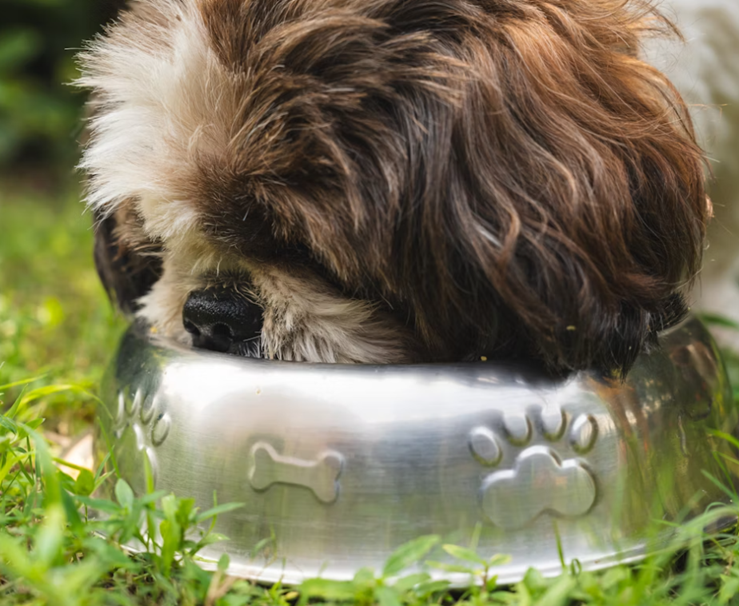
Feeding your dog the right amount at the right time isn’t just about convenience. It’s about supporting your pet’s health, longevity, and quality of life. One of the most frequently asked questions by dog parents is: “How often should I feed my dog?” The answer depends on your dog’s life stage, activity level, breed, and overall health. In this guide, we break down how often you should feed puppies, adult dogs, and senior dogs, and share helpful feeding tips to ensure your furry friend gets optimal nutrition.
Feeding Puppies: Building Strong Foundations
Puppies grow rapidly and need frequent meals packed with nutrients to support their development. Unlike adult dogs, their small stomachs can’t hold large quantities of food, so regular feedings are essential.
How Often Should Puppies Eat?
-
8–12 weeks old: 4 meals per day
-
3–6 months old: 3 meals per day
-
6–12 months old: 2 meals per day
 Toy breeds may need even more frequent meals to avoid low blood sugar (hypoglycemia). For example, teacup puppies may need small meals every 3–4 hours.
What to Feed Puppies
Look for a puppy-specific formula labeled “complete and balanced” by AAFCO (Association of American Feed Control Officials). Puppies need extra protein, calories, and DHA to support brain, bone, and muscle development. Large-breed puppies should be fed food formulated to help manage growth and prevent joint issues.
Feeding Adult Dogs: Maintaining Optimal Health
Once your dog reaches adulthood, typically around 1 year of age for small to medium breeds and 18–24 months for large and giant breeds, his caloric needs stabilize. Now it’s all about maintaining a healthy weight and energy level.
How Often Should Adult Dogs Eat?
-
Most adult dogs: 2 meals per day (morning and evening)
-
Highly active dogs or working breeds: May require 3 smaller meals or more calories per meal
-
Toy breeds: Sometimes benefit from 3 small meals to prevent hypoglycemia
Feeding twice a day helps prevent bloating, keeps blood sugar levels steady, and aligns with a dog’s natural routine. Avoid leaving food out all day, free feeding can lead to overeating and obesity.

Did you find this article useful? Would you like 100% free access to more articles like these, and free access to over 5,000 vetted pet care service professionals throughout the United States? Sign up here for a free Petworks account, and we’ll email you a personal 10% discount code. Then take 10% off your first booking on us!
What to Feed Adult Dogs
Choose a high-quality adult dog food appropriate for your dog’s breed size, activity level, and health status. If your dog has food sensitivities, allergies, or medical needs, consult a certified canine nutritionist to develop a customized diet plan.
Feeding Senior Dogs: Supporting Aging Bodies
As dogs age, their metabolism slows down, and their dietary needs may shift. Most dogs are considered seniors between 7–10 years of age, though large breeds age faster than smaller ones.
How Often Should Senior Dogs Eat?
-
Most senior dogs: 2 meals per day
-
Dogs with dental issues or poor appetite: May do better with 3 small meals
Some senior dogs may lose interest in food due to health issues, while others may become prone to weight gain due to reduced activity levels. Meal frequency may need adjustment based on your dog’s overall health, appetite, and ability to digest food comfortably.
What to Feed Senior Dogs
Senior dogs may benefit from food that is:
-
Lower in calories and fat (if less active)
-
Higher in fiber to support digestion
-
Fortified with joint support nutrients like glucosamine and chondroitin
-
Easier to chew (for dogs with dental disease)
Senior-specific formulas are available, but not every dog needs a senior food. Some older dogs do well on adult formulas with slight adjustments.
Additional Feeding Tips for All Life Stages
1. Stick to a Consistent Schedule
Dogs thrive on routine. Feed them at the same times every day to support digestion, reduce anxiety, and help with housetraining (especially in puppies).
2. Watch Portion Sizes
Use a measuring cup or kitchen scale. Don’t guess! Overfeeding is a leading cause of obesity in pets, which can lead to joint pain, diabetes, and reduced lifespan.
3. Don’t Rely on the Bag Alone
Feeding guidelines on pet food bags are general estimates. Your dog’s unique metabolism and lifestyle matter. Consult your vet or a pet nutritionist for tailored advice.
4. Always Provide Fresh Water
Hydration is as important as nutrition. Make sure your dog has access to clean, fresh water at all times.
5. Avoid Feeding Right Before or After Exercise
Especially in large or deep-chested breeds, eating too close to vigorous exercise can increase the risk of bloat (gastric torsion), a serious and potentially fatal condition. Wait at least an hour before or after meals to engage in strenuous activity.
Expert Veterinarian Quote
“Your veterinarian can estimate how many calories your dog needs each day based on his lifestyle and body condition score.”
— from VCA Animal Hospitals, by Dr. Ryan Llera, BSc, DVM, and Dr. Robin Downing, DVM.
When to Seek Professional Guidance
Changes in your dog’s appetite, energy level, weight, or digestion may signal the need for a dietary adjustment. Whether your dog is dealing with allergies, diabetes, kidney disease, or food aversion, a clinical pet nutritionist or veterinarian can help you identify the best feeding routine and food choices.
Petworks offers access to certified dog nutritionists, pet wellness practitioners, and virtual consults to help dog parents make informed decisions. Whether you need help with transitioning to a new food, understanding labels, or building a fresh-food diet, professional guidance makes a big difference.
Feeding your dog the right number of meals per day is critical for long-term health and happiness. Puppies need frequent meals to support growth, adult dogs benefit from routine twice-a-day feedings, and seniors often need adjustments based on changing health needs.
Every dog is different. Tailoring their feeding schedule to their life stage, size, and health conditions will give your pet the best chance at a vibrant and energetic life.
About Petworks
 In 2021, Dr. Marty Goldstein DVM joined the pet care platform Petworks as an advisor in its Animal Nutrition care division. Dr Marty Nature’s Blend is on a mission to help your pets live their healthiest lives possible. Dr. Marty’s pet nutrition expertise and guidance has helped Petworks evolve and become the preeminent animal and pet nutrition consultation service for pet parents in North America.
 In 2022, Blue Buffalo Founder Bill Bishop Jr. joined Petworks as Senior Advisor in our Animal Nutrition Care Division. Bill brings his extensive expertise in pet food innovation and business leadership. His guidance helps Petworks enhance our pet nutrition service offerings, helping to ensure that pet parents throughout the world receive trusted, science-backed nutritional support for their dogs, cats, and animals.
About The Author

Petworks Co-Founder Kevin Kinyon is a life-long animal lover who works tirelessly to improve the lives of pets and their parents. Human and animal qualities he values most are integrity, humor, and empathy.

 petworks tm