
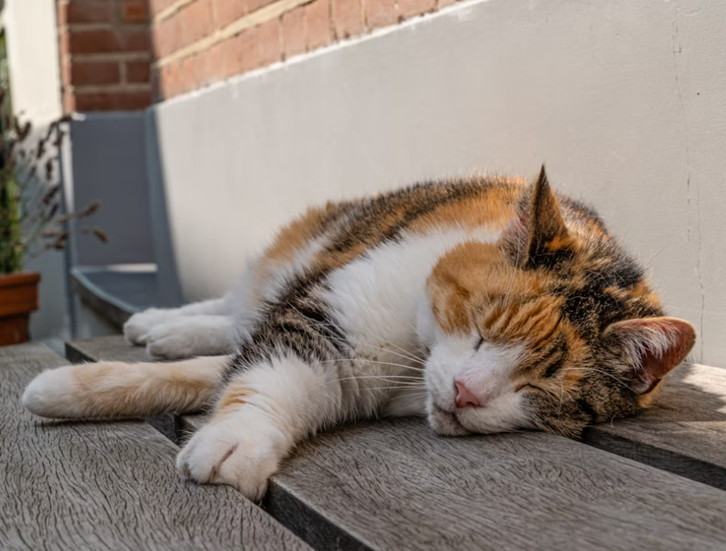
Cats are known for their resilience and adaptability, but high temperatures can still pose a serious threat to their health. Heat stroke in cats is a life-threatening emergency that requires immediate attention. As temperatures rise during summer months, cat parents must be aware of how to recognize the signs, treat heat stroke quickly, and most importantly, prevent it from happening in the first place. In this article, we’ll explore the causes and symptoms of feline heat stroke, how to respond if your cat is overheating, and how to create a safe environment to keep your feline friend cool and comfortable.
What Is Heat Stroke in Cats?
Heat stroke in cats, also known as hyperthermia, occurs when a cat’s internal body temperature rises dangerously high, typically above 104°F (40°C). Unlike humans, cats can’t sweat through their skin. Instead, they rely on panting, releasing heat through their paw pads, and resting in cool areas to regulate their body temperature.
When the surrounding environment becomes too hot or lacks proper airflow, a cat’s natural cooling methods may no longer be effective. Without prompt attention and care, heat stroke can quickly escalate, potentially leading to organ failure and even death.
Causes of Heat Stroke in Cats
Although cats are typically skilled at regulating their body temperature, certain conditions can put them at risk for heat stroke. Common causes include:
-
Being confined in hot, enclosed spaces such as cars, greenhouses, or poorly ventilated rooms.
-
High humidity, which hampers their ability to cool down through panting.
-
Lack of access to fresh water or shade, both of which are vital for staying hydrated and cool.
-
Overexertion, particularly during warm or humid weather.
-
Underlying health issues like heart disease or obesity, which can make it harder for cats to tolerate heat.
Symptoms of Heat Stroke in Cats
Recognizing the early signs of heat stroke can be critical in protecting your cat’s health. Common symptoms include:
-
Rapid or excessive panting
-
Drooling or thick, sticky saliva
-
Bright red tongue or gums
-
Lethargy or weakness
-
Vomiting or diarrhea
-
Staggering, disorientation, or collapse
-
Seizures or unconsciousness in severe cases
If your cat shows any of these symptoms, treat it as a medical emergency and contact a veterinarian immediately. Prompt action can save your cat’s life.

Are you finding this article useful? Would you like 100% free access to more articles like these, and free access to over 5,000 vetted pet care service professionals throughout the United States? Sign up here for a free Petworks account, and we’ll email you a 10% discount code, good towards your first pet care services booking on Petworks!
First Aid for Heat Stroke in Cats
If your cat shows signs of heat stroke, immediate action is vital. Follow these first aid steps while preparing to get your cat to a veterinarian:
-
Move your cat to a cooler environment right away, such as an air-conditioned room or shaded area.
-
Offer small amounts of cool (not cold) water to help prevent dehydration.
-
Gently cool their body using damp cloths or paper towels, focusing on the paws, armpits, and neck.
-
Avoid using ice or ice-cold water, as this can cause shock and constrict blood vessels, making it harder for your cat to cool down.
-
Keep your cat calm and handle them as little as possible.
 “Heat stroke in cats is a serious, life-threatening condition. Even a short time in a hot environment can cause irreversible damage,” says Dr. Elizabeth Arguelles, DVM, a veterinarian in Washington, DC. “It’s always better to prevent than to treat. When in doubt, stay cool and stay safe.”
How to Prevent Heat Stroke in Cats
Preventing heat stroke is the best way to keep your cat safe and healthy during hot weather. Here are simple but effective steps you can take:
1. Keep Your Cat Indoors During Peak Heat
On especially hot days, keep your cat indoors between 10 a.m. and 4 p.m., when temperatures are at their highest. Close blinds or curtains to block direct sunlight and ensure your home is well-ventilated.
2. Provide Fresh Water at All Times
Hydration is key. Place multiple bowls of cool, fresh water around your home. Consider using a cat water fountain, which can encourage more frequent drinking.
3. Use Fans or Air Conditioning
Good airflow helps prevent overheating. Position fans in areas where your cat likes to rest, and use air conditioning during extreme heat to maintain a safe indoor temperature.
4. Groom Regularly
Cats with long or thick fur are more susceptible to heat. Brush your cat regularly to remove excess fur and reduce matting. In some cases, a mobile groomer may recommend a light summer trim.
5. Provide Cooling Products
Cooling mats, ceramic tiles, or frozen water bottles wrapped in towels can give your cat a cool place to relax. Avoid any products containing gels or substances that could be toxic if chewed.
6. Never Leave Your Cat in a Parked Car
Even for a short time, parked cars can heat up dangerously fast. Within 10 minutes, the temperature can rise over 20 degrees. Even with windows slightly open. Always bring your cat inside or leave them at home when running errands.
Which Cats Are Most at Risk?
All cats can develop heat stroke, but some are more vulnerable than others. Higher-risk groups include:
-
Flat-faced (brachycephalic) breeds such as Persians and Himalayans
-
Kittens and senior cats, who have less efficient temperature regulation
-
Overweight or obese cats, which retain more body heat
-
Cats with respiratory or heart conditions, which can impair cooling mechanisms
-
Black or dark-colored cats, as their fur absorbs more heat from the sun
If your cat falls into any of these categories, take extra precautions during hot weather and monitor them closely for signs of overheating.
When to See a Veterinarian
Even if your cat appears to recover quickly after showing signs of overheating, it’s essential to seek veterinary care. Heat stroke can cause internal damage, such as brain swelling, kidney failure, or organ dysfunction, that may not be immediately visible. A veterinarian can evaluate your cat’s hydration, assess organ function, and rule out any lasting complications. Prompt follow-up care is key to ensuring a full and safe recovery.
“Heat stroke in cats is a silent and serious threat that many pet parents often overlook. Unlike dogs, cats tend to hide their discomfort, making it harder to recognize the early signs of overheating. At Petworks, we emphasize that even indoor cats are vulnerable during periods of extreme heat, especially if ventilation or hydration is inadequate. It’s criticall for pet owners to stay vigilant, provide plenty of fresh water, and ensure cool, shaded environments to prevent this life-threatening condition. Awareness and proactive care aren’t just important. They can mean the difference between life and death for our feline companions.” – Kevin Kinyon, Co-Founder, Petworks.
Long-Term Care and Environmental Awareness
As climate change brings more extreme temperatures globally, pet parents must adapt their care routines. Cats, especially those in urban or indoor environments, rely on us to provide safe and comfortable living spaces year-round.
Resources like Petworks make it easier for cat parents to connect with pet wellness professionals. From veterinarians and cat sitters to mobile groomers and emergency care providers. Who can offer year-round support and guidance.
Preventing Heat Stroke in Cats: What You Need to Know
Heat stroke in cats is a preventable emergency when you understand the risks and how to manage them. Staying vigilant during hot weather, keeping your cat hydrated, and maintaining cool living spaces can make a significant difference. Learn to recognize the warning signs, respond quickly, and seek professional veterinary care when needed.
Your cat depends on you to protect them. Especially as temperatures climb. With awareness, preparation, and a proactive approach, you can help your feline friend stay cool, safe, and healthy throughout the hottest days of the year.
About Petworks
 In 2021, Dr. Marty Goldstein DVM joined the pet care platform Petworks as an advisor in its Animal Nutrition care division. Dr Marty Nature’s Blend is on a mission to help your pets live their healthiest lives possible. Dr. Marty’s pet nutrition expertise and guidance has helped Petworks evolve and become the preeminent animal and pet nutrition consultation service for pet parents in North America.
 In 2022, Blue Buffalo Founder Bill Bishop Jr. joined Petworks as Senior Advisor in our Animal Nutrition Care Division. Bill brings his extensive expertise in pet food innovation and business leadership. His guidance helps Petworks enhance our pet nutrition service offerings, helping to ensure that pet parents throughout the world receive trusted, science-backed nutritional support for their dogs, cats, and animals.
About The Author
 Petworks Co-Founder Kevin Kinyon is a life-long animal lover who works tirelessly to improve the lives of pets and their parents. Human and animal qualities he values most are integrity, humor, and empathy.

 petworks tm









Good web site! I’ve subscribed to your RSS. Love your cat wellness content.
It’s been such a hot summer 2025!
Your articles are extremely helpful to me. Lots of overheated pets this summer!
Thank you for writing this article. What a hot summer 2025 has been!